Temple of Edfu: The Best-Preserved Temple of Horus
Between Luxor and Aswan, on the west bank of the Nile, stands one of the most complete temples to survive from ancient Egypt. The Temple of Edfu was dedicated to Horus, the falcon-headed god associated with kingship and the triumph of order over chaos. Its towering gateway, columned halls, carved walls and inner sanctuary offer an unusually vivid picture of how a major Egyptian temple was designed and used.
Much of the complex dates to the Ptolemaic period, when Egypt was ruled by a dynasty of Greek origin that deliberately adopted many traditional Egyptian religious practices. Protected for centuries by sand and later settlement debris, Edfu preserves an extraordinary amount of its original architecture and inscriptions. It is not simply an impressive ruin: it is one of the clearest places to understand the form and purpose of an ancient Egyptian cult temple.
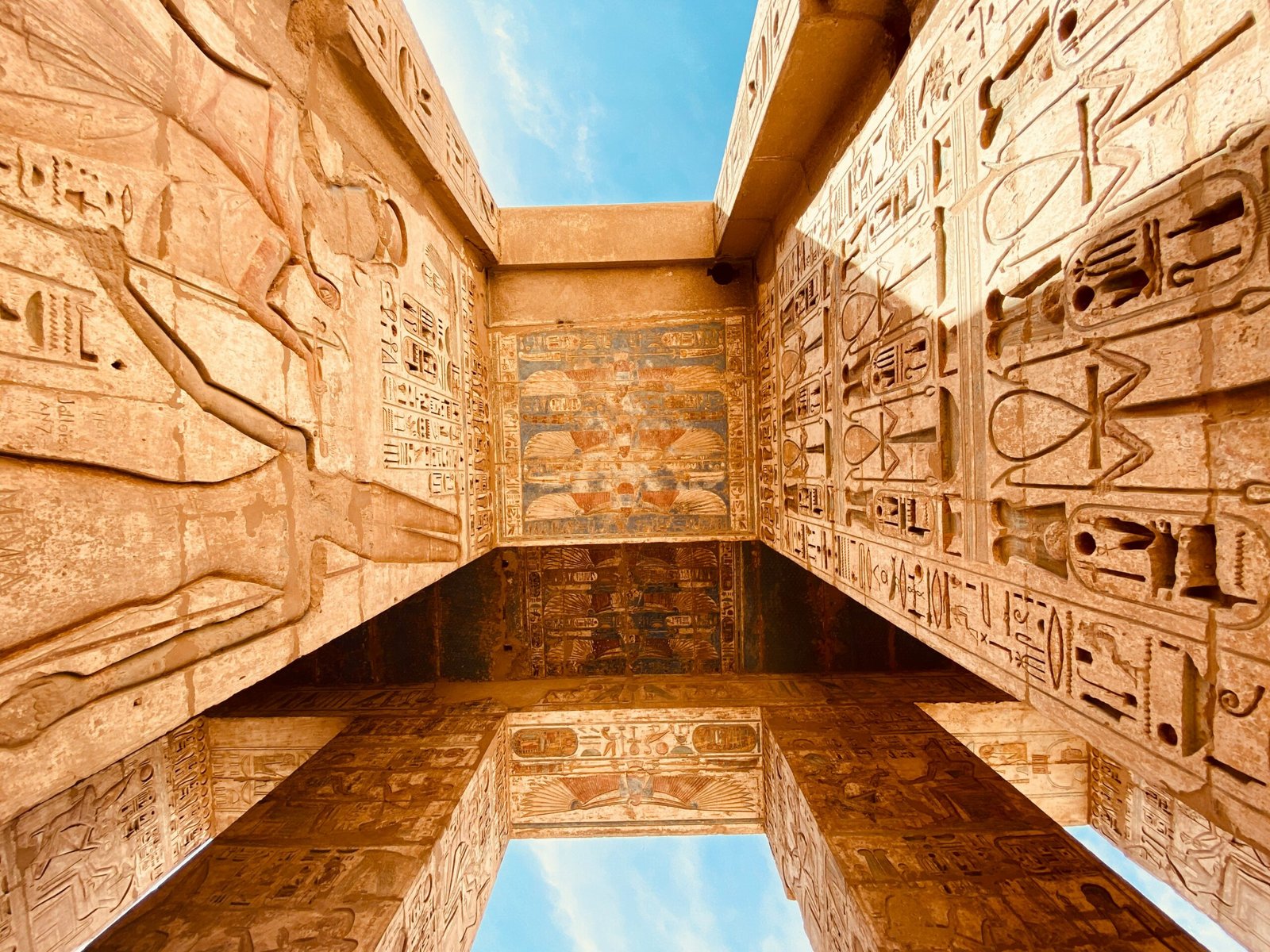
When Was the Temple of Edfu Built?
Construction began under Ptolemy III Euergetes in 237 BCE and continued through successive reigns. The main temple was formally completed in 57 BCE, nearly 180 years after work began. Different rulers added to the complex, and its decoration reflects the long effort required to create a sanctuary of this scale.
Although the Ptolemies were descended from a Macedonian Greek dynasty, they presented themselves in Egyptian royal tradition. They supported established temples, took part in religious ceremonies, and were depicted in reliefs making offerings to Egyptian gods. Edfu is a particularly strong example of that cultural and political partnership: its architecture and texts follow Egyptian religious conventions while its history belongs to the Ptolemaic age.
Horus of Edfu: The God at the Heart of the Temple
Horus was one of ancient Egypt’s most important deities. Often shown as a falcon or as a man with a falcon’s head, he was closely connected with the sky and with the living king. In royal ideology, the pharaoh was associated with Horus, while the dead king was linked with Osiris.
At Edfu, Horus was worshipped as Horus of Behdet, a local form associated with divine protection and the king’s victory over disorder. The temple’s reliefs recount the mythic struggle between Horus and Seth. In this sacred story, Horus’s victory restores order and legitimizes rightful rule. The myth was not merely decorative storytelling: it expressed ideas central to Egyptian kingship, ritual and the maintenance of cosmic balance.
The sanctuary was understood as the earthly residence of the god. Priests performed daily rites, tended the divine image, and prepared offerings. Most ordinary worshippers did not enter the innermost sanctuary; access became increasingly restricted as visitors moved from the outer court toward the most sacred rooms.
Architecture: From Monumental Pylon to Sacred Sanctuary
The visitor’s route through Edfu follows a carefully planned sequence. The huge entrance pylon, covered in carved scenes of the king before the gods, announces the authority of the temple. Two large falcon statues stand near the entrance, recalling Horus’s protective presence and giving the gateway a memorable visual identity.
Beyond the pylon lies an open courtyard bordered by columns. From there, the route continues into columned halls and darker interior rooms, gradually moving away from the public-facing spaces and toward the sanctuary. The change in light, scale and access is part of the design: the deeper one entered, the more restricted and sacred the space became.
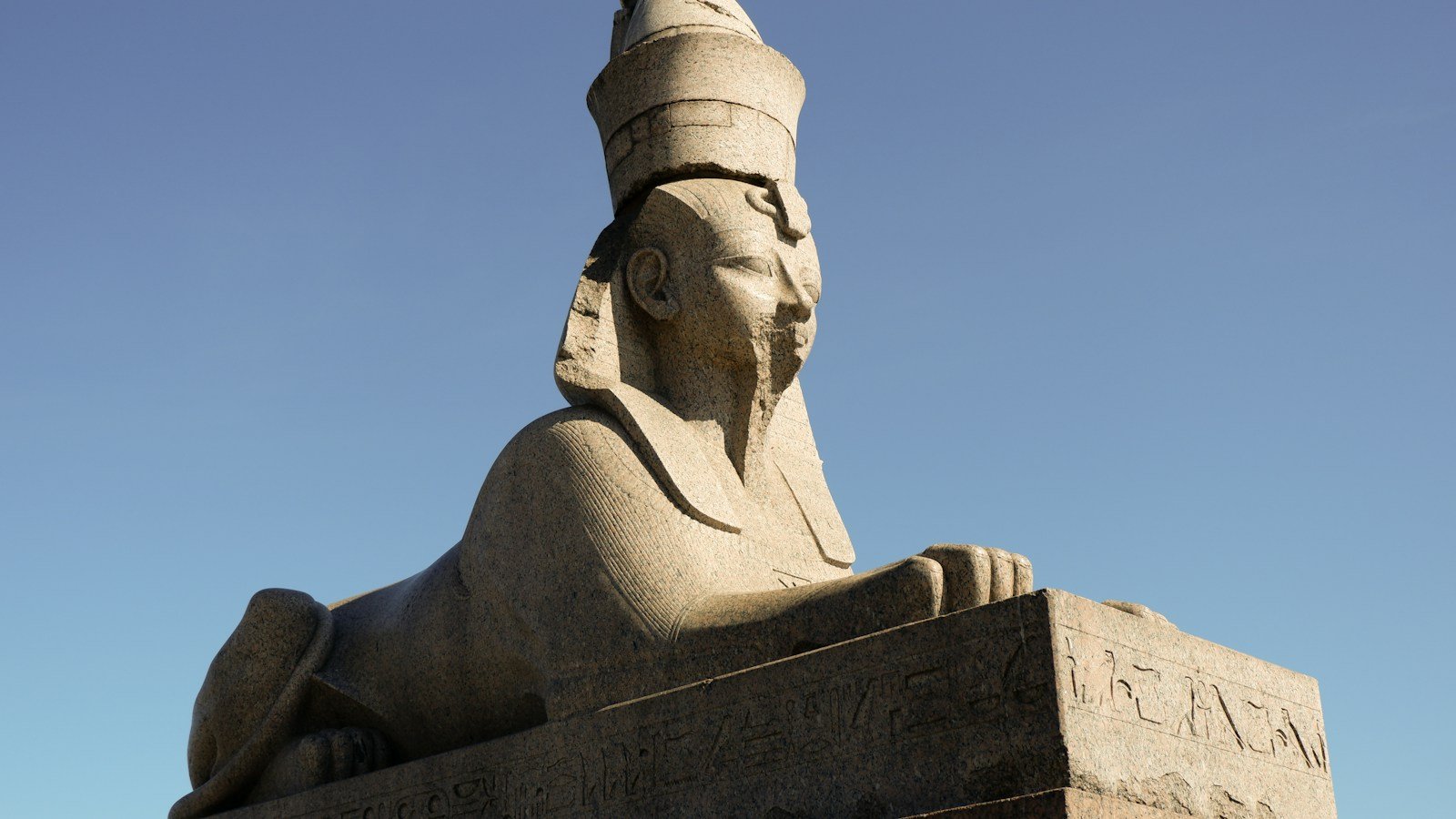
The Hypostyle Halls
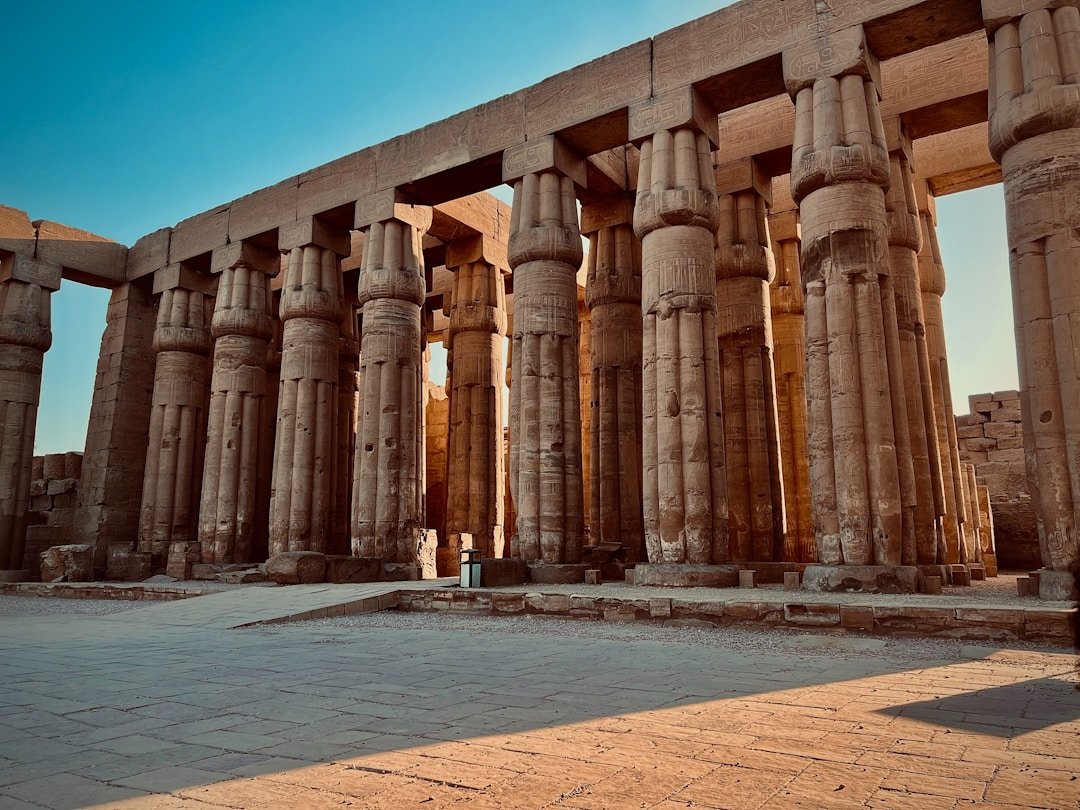
The columned halls form an impressive transition between the courtyard and the inner temple. Their ceilings and walls were once richly painted, and some surviving surfaces preserve traces of decoration. Columns and reliefs combine structural strength with symbolic imagery, turning the building itself into a carefully ordered religious environment.
The Sanctuary and Sacred Processions
At the heart of the temple stood the sanctuary, where the cult image of Horus was kept. A stone shrine survives in this innermost area. During major festivals, the god’s image could be carried in procession, linking the temple with other sacred places and bringing the deity into contact with the wider community. These events helped make the temple a living centre of religious life rather than simply a monumental building.
The Mammisi: A Birth House Beside the Temple
Near the main temple stands a smaller building known as a mammisi, or birth house. It was associated with the divine birth of the child god and with the renewal of kingship. The term does not mean “null”; it refers to a distinct ritual structure that commonly appears beside temples of the Ptolemaic and Roman periods.
Its reliefs and rooms formed part of a wider religious programme celebrating divine family relationships and the continuing legitimacy of the ruler. The mammisi adds another layer to Edfu’s story, showing how a large temple complex could include several connected buildings serving different ritual purposes.
Why Edfu’s Inscriptions Matter
Edfu is especially valuable because so much of its carved text survives. The walls record foundation rituals, festival calendars, sacred equipment, myths and theological explanations. These inscriptions help scholars reconstruct how priests understood the temple and how ceremonies were organized.
Reliefs and inscriptions were not added as a modern-style history book. They belonged to the sacred function of the building, presenting the king in the proper relationship with the gods and expressing the order that ritual was meant to maintain. Read together, they provide a rare view of late Egyptian religious thought, particularly during the Ptolemaic period.
Why Was the Temple So Well Preserved?
After ancient worship at the site declined, sand and debris gradually covered substantial parts of the complex. Burial protected many walls and reliefs from prolonged exposure to wind and weather. Later houses and settlement activity accumulated around the temple, and the building was not fully cleared until modern excavation.
The preservation is not perfect: surfaces have suffered damage, some colours have faded, and parts of the wider complex have changed over time. Still, compared with many Egyptian temples that were dismantled, quarried for stone or heavily eroded, Edfu retains an unusually coherent plan. Visitors can follow the main route from gateway to sanctuary and see how the different spaces relate to one another.
Visiting the Temple of Edfu
Edfu lies between Luxor and Aswan and is a common stop on Nile cruises travelling in either direction. It can also be reached by road from the surrounding region. The temple stands near the modern town, so visitors should plan for local transport between the landing point or road and the entrance, depending on how they arrive.
Allow around one to two hours for a typical visit. That gives time to appreciate the pylon, courtyard, columns, sanctuary and surviving reliefs without rushing. Visitors particularly interested in inscriptions or architectural details may wish to stay longer. Early visits can be more comfortable in warm weather, though cruise schedules and local opening arrangements affect the timing.
Some stairways and roof areas may be restricted or closed, so do not assume every part of the building is accessible on the day. Check current site rules and ticket information before travelling. Photography rules can also vary by area and may change; follow the instructions posted by the site staff.
If Edfu is part of a longer journey, it pairs naturally with Karnak Temple, Luxor Temple and Philae Temple. Each site offers a different perspective on Egyptian religion and temple design, from the vast sacred precincts of Thebes to the island sanctuary of Isis at Philae.
Why the Temple of Edfu Still Matters
Edfu offers something rare: a largely readable ancient Egyptian temple. Its architecture makes the movement from public space to sacred space easy to understand, while its reliefs and inscriptions preserve details of ritual and myth that would otherwise be difficult to reconstruct. It also shows how Egyptian religious traditions continued under Ptolemaic rulers, long after Egypt came under Greek-speaking dynastic rule.
For travellers, the temple is more than a photogenic stop between Luxor and Aswan. It is a place where architecture, royal ideology and religious practice remain closely connected. Stand in the courtyard and look toward the sanctuary, and the logic of the complex becomes clear: every gateway, hall and carved wall formed part of a larger sacred world.
Frequently Asked Questions About the Temple of Edfu
When was the Temple of Edfu built?
Construction began under Ptolemy III in 237 BCE, and the main temple was completed in 57 BCE, after nearly 180 years of work.
Which god was worshipped at Edfu?
The principal deity was Horus of Behdet, a falcon-associated god closely linked with kingship and the victory of order over chaos.
Why is the Temple of Edfu so well preserved?
Sand and settlement debris covered much of the complex for centuries, protecting many walls and reliefs from prolonged exposure and weathering.
What is the mammisi?
The mammisi is a smaller “birth house” beside the main temple, associated with the divine birth of the child god and the renewal of kingship.
How long should I spend at Edfu?
Most visitors should allow one to two hours, with extra time for close study of inscriptions and architectural details.
Can I visit Edfu on a Nile cruise?
Yes. Edfu is a common stop on Nile cruises between Luxor and Aswan, though the exact visit time depends on the itinerary.
Make Your Egypt Journey Unforgettable
Turn your visit to Egypt’s temples into a smoother, richer journey. Explore stays, local guides, cruises and experiences for Luxor, Edfu, Aswan and beyond.
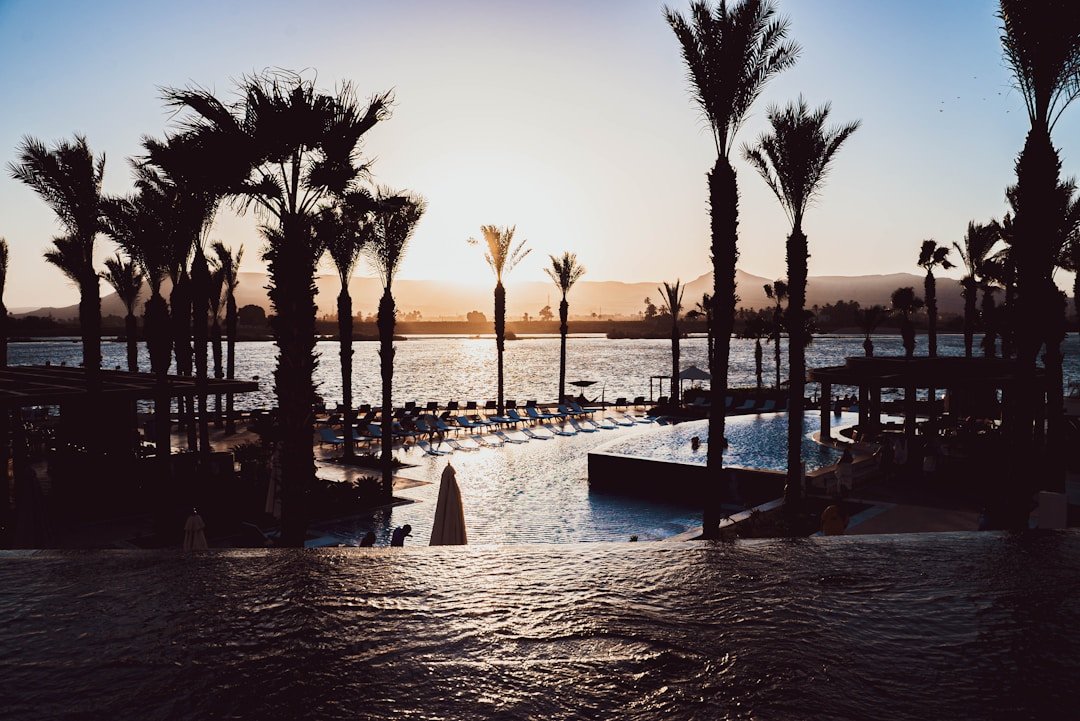
Luxor Hotels
Find a comfortable base for temples, tombs and Nile-side evenings in Luxor.
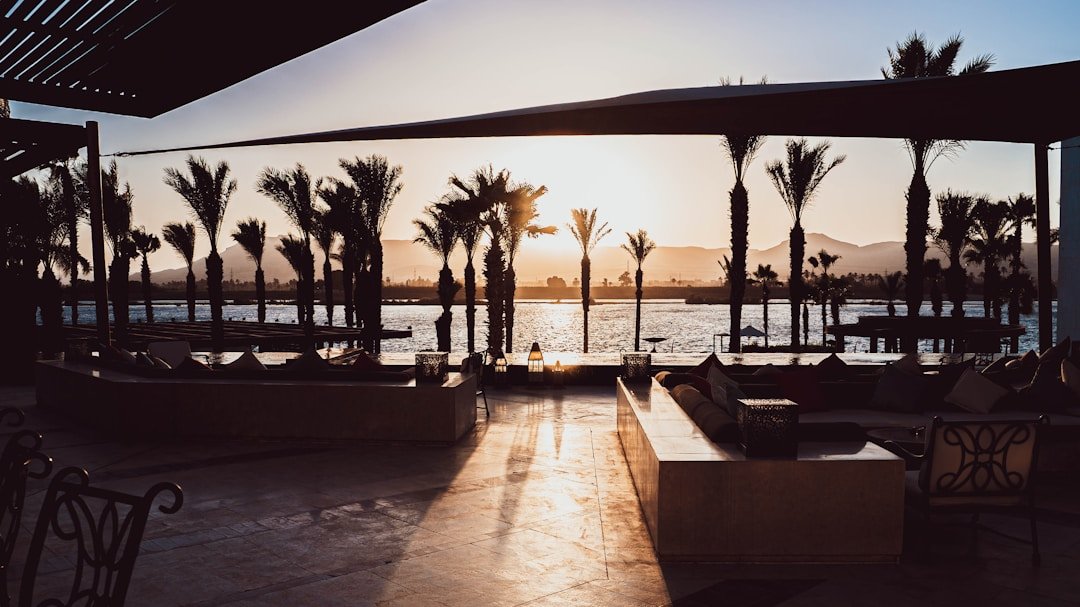
Villas & Apartments in Luxor
Compare private apartments and homes for a longer or more independent stay.
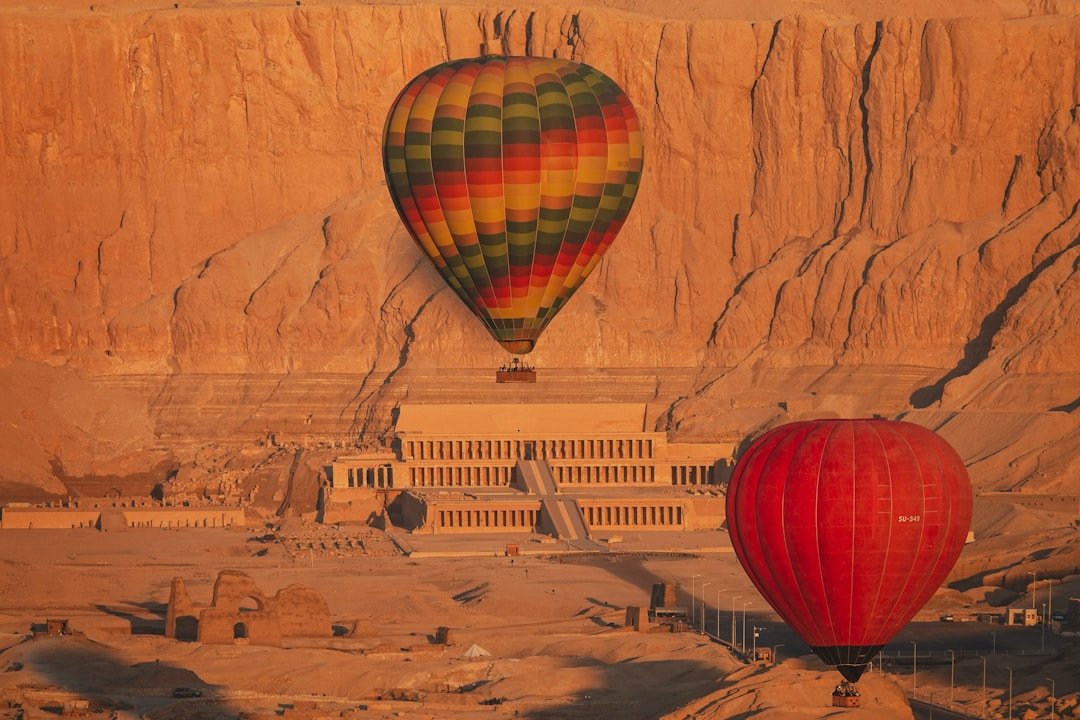
Hot Air Balloon
See Luxor’s West Bank and the Nile landscape from the sky at sunrise.
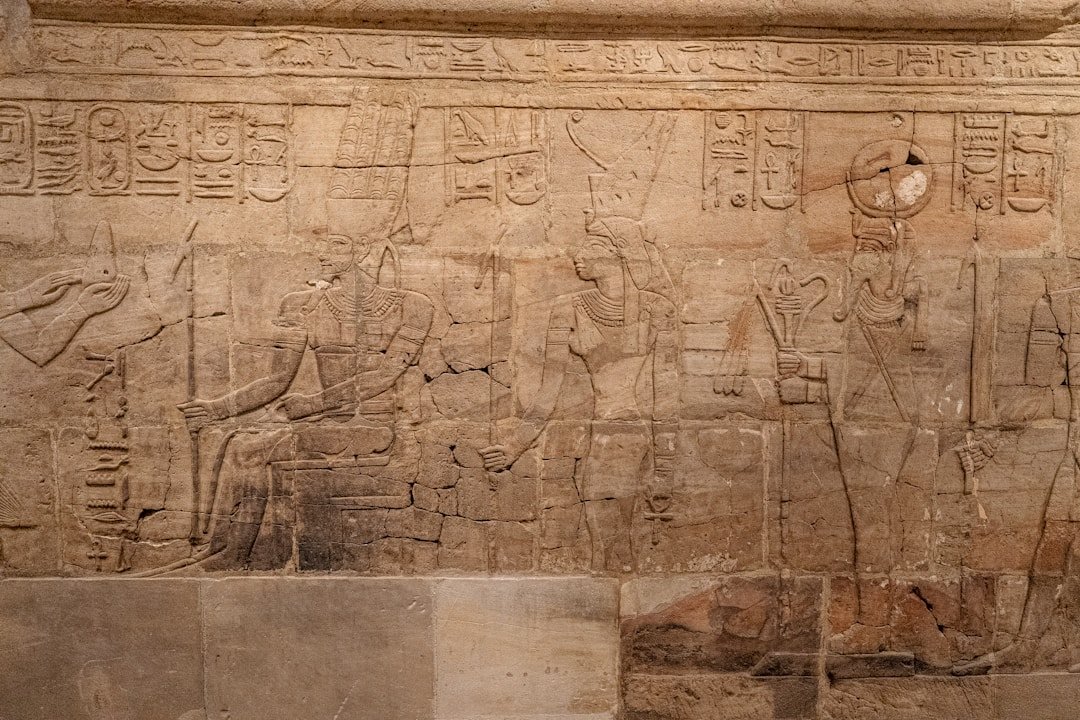
Local Egypt Guide
Explore ancient sites with a guide who can bring their stories and symbols to life.
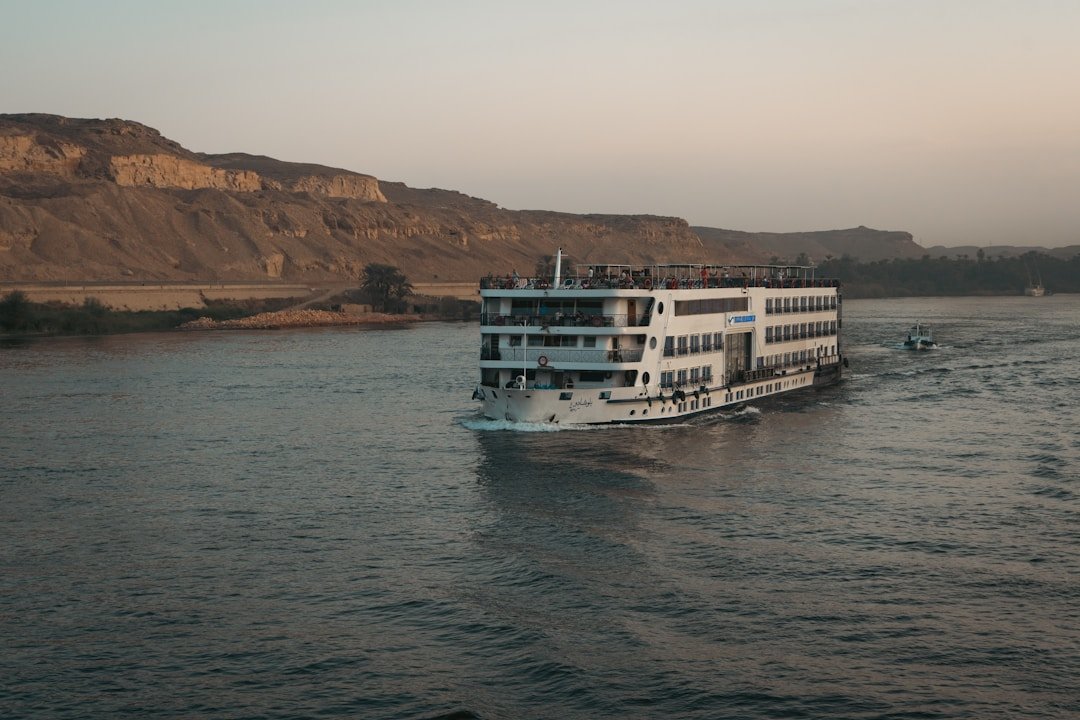
Nile Cruises
Compare cruise journeys connecting Luxor, Edfu, Kom Ombo and Aswan.
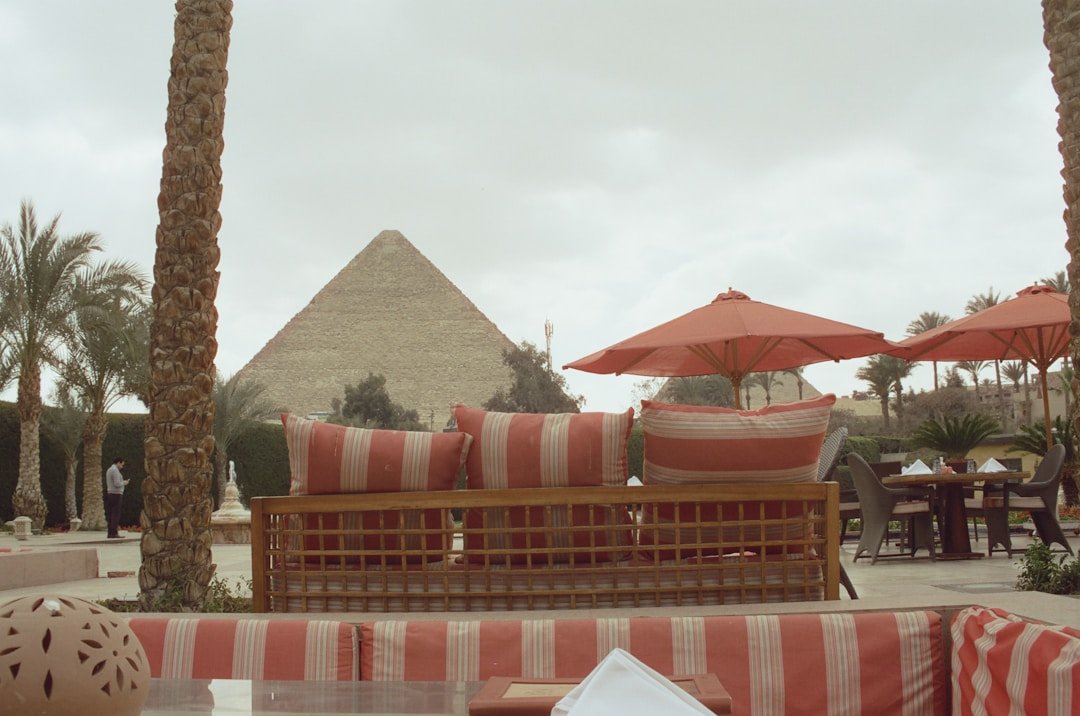
Egypt Hotels
Plan stays across Egypt, from the Nile Valley to Cairo and the Red Sea.

Egypt Travel Experience
Discover activities and experiences to make more of your time in Egypt.
Luxor Tours
Arrange guided visits to the temples and tombs on both banks of Luxor.
Egypt Tours
Browse tours that connect Egypt’s most celebrated ancient sites and cities.
Private Egypt Tours
Choose a more flexible private itinerary built around your interests and pace.
Pingback: Dendera Temple: Explore the Temple of Hathor in Egypt