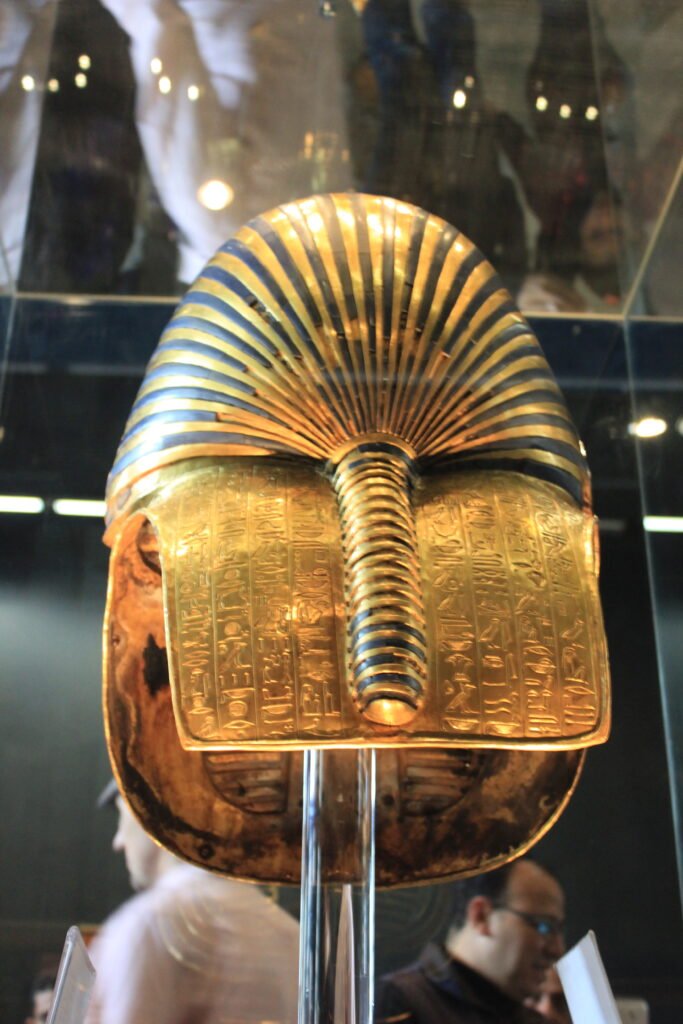
Tutankhamun: The Boy King Who Became Immortal
When Howard Carter opened Tutankhamun’s tomb in 1922, the discovery seemed to change what the modern world could imagine about ancient Egypt. Gold, painted furniture, chariots and thousands of objects had survived in remarkable condition.
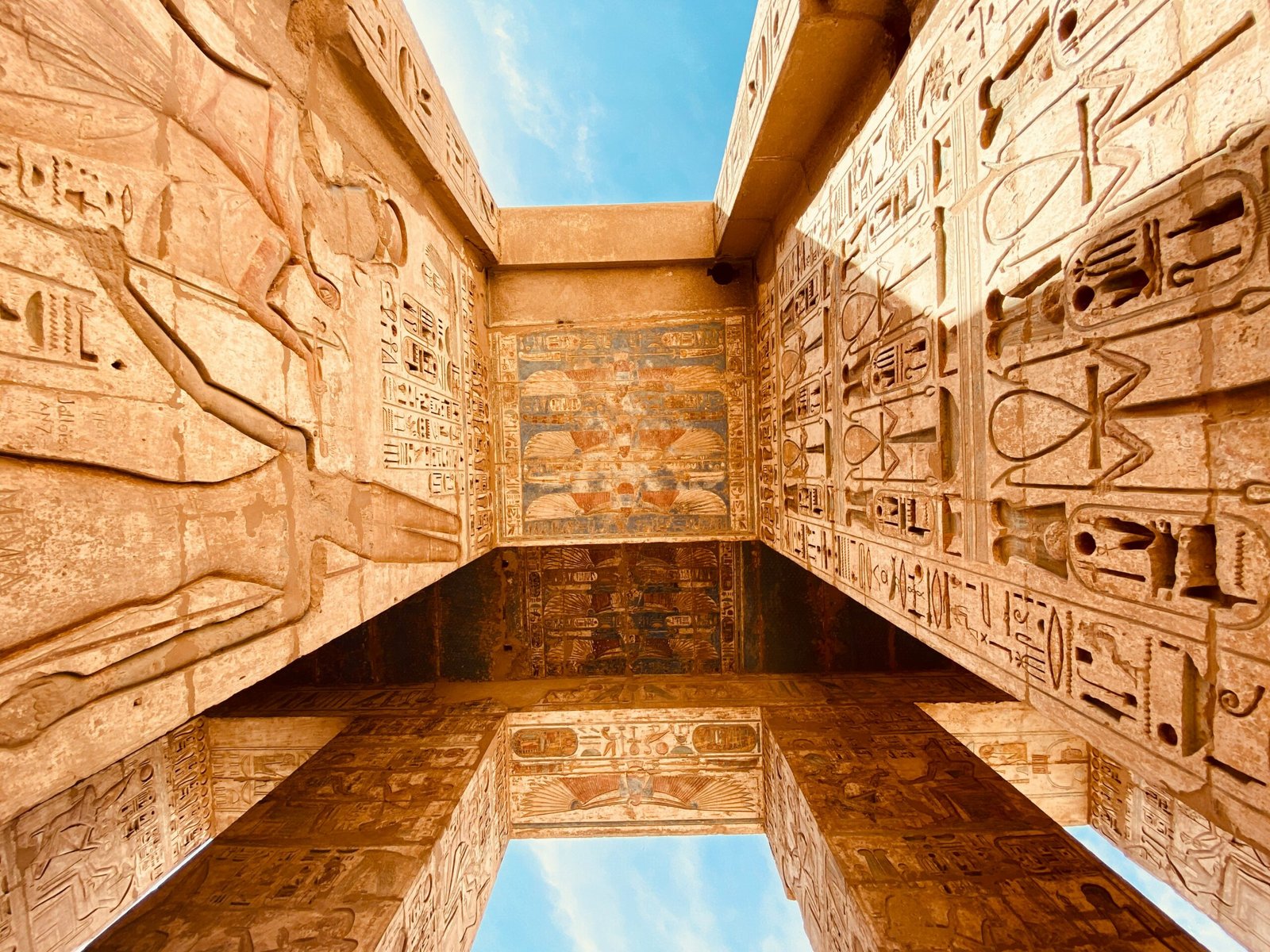
But the real story begins much earlier, with a young king inheriting a kingdom still dealing with the consequences of a religious revolution.
A King Born Into an Unsettled Egypt
Tutankhamun entered the world at one of the most complicated moments in Egypt’s New Kingdom. He belonged to the late 18th Dynasty and is widely associated with the royal family of Akhenaten, the king whose religious revolution transformed the court.
Akhenaten moved the royal court to Akhetaten, modern Amarna, and placed the Aten—the sun disk—at the center of royal religion. When Tutankhamun came to the throne, he inherited not simply a crown, but a kingdom in the middle of a major religious and political transition.
The Name Tells Part of the Story
He was originally Tutankhaten, a name connected with the Aten. During the restoration of the traditional religious order, the king became Tutankhamun, bringing Amun back into his royal identity. The change is one of the clearest signs of the transformation taking place during his reign.
The Child King and the Return to Tradition
Tutankhamun became king at about nine years old. Experienced officials therefore played an important role in administration and policy. The royal court gradually moved away from the Amarna experiment and returned to the traditional centers of Egyptian religion.
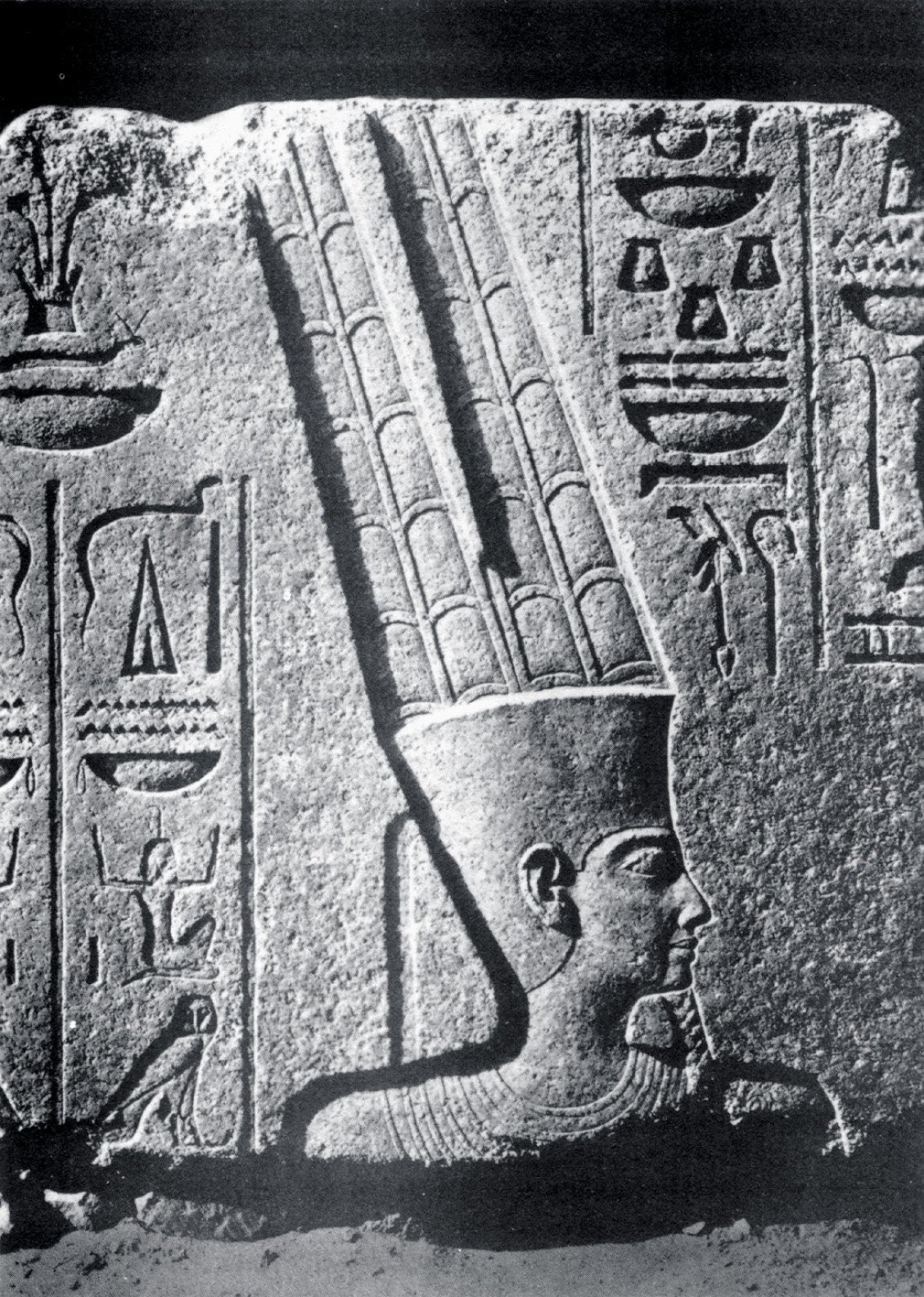
This restoration was not merely a change of name. Temples associated with the traditional gods received renewed attention, and the cult of Amun at Thebes was restored. Tutankhamun’s monuments and statues provide physical evidence of this shift.
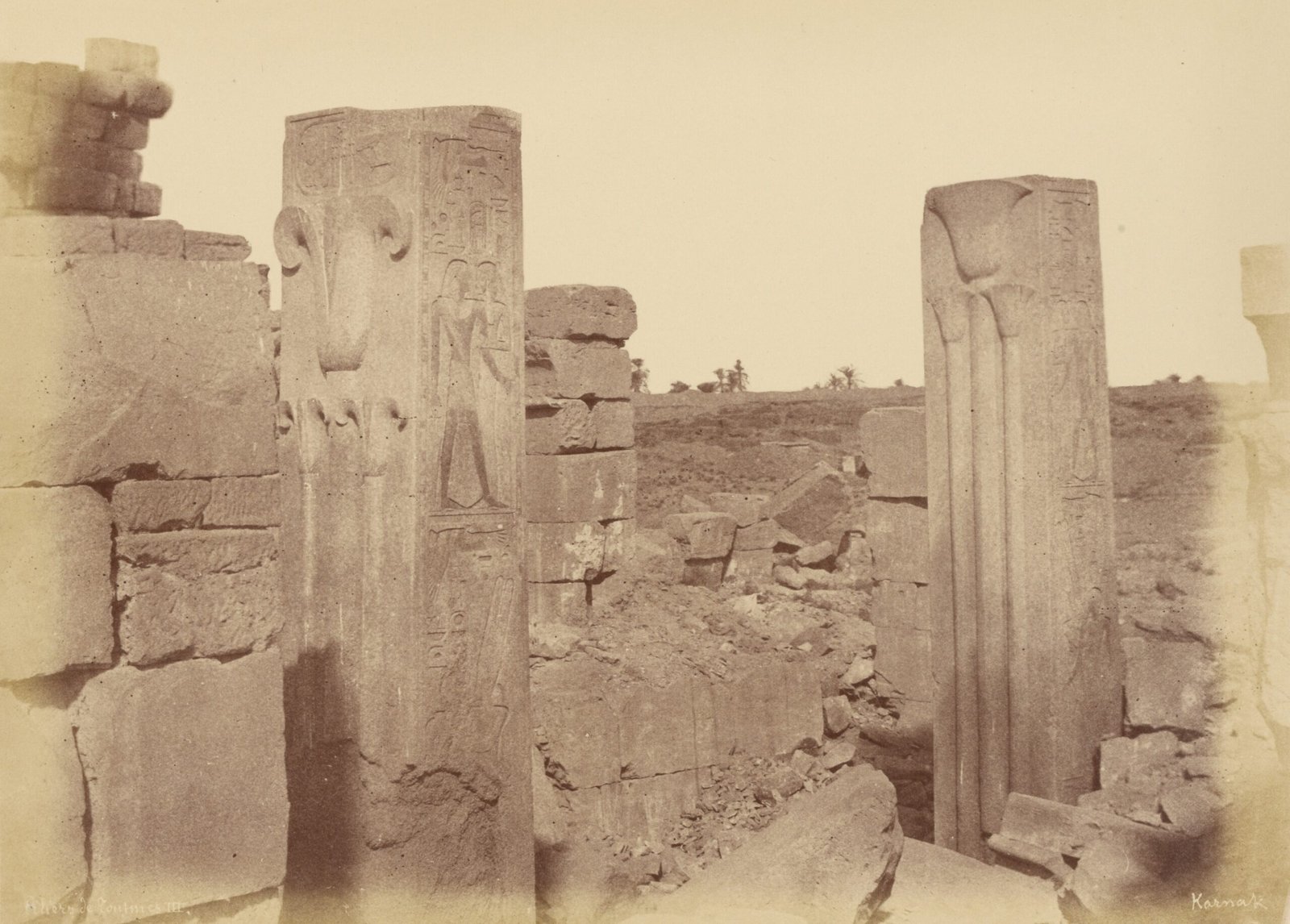
For travelers visiting Luxor today, this part of his story is especially important. Karnak Temple helps place the young king’s restoration policy within the religious landscape of ancient Thebes.
What Was Tutankhamun’s Reign Really Like?
His reign lasted roughly a decade, but much of it appears to have been devoted to restoring stability and traditional institutions after the upheaval of the Amarna period. He was a king of transition rather than an empire-builder remembered for major military conquests.
His court also continued artistic traditions that had developed during the Amarna period while returning to older royal and religious imagery. This mixture makes the years around Tutankhamun especially revealing.
The Young King’s Death
Tutankhamun died while still a young man, probably in his late teens. Scientific examinations of his mummy have identified evidence of medical conditions and injuries, but the exact cause and circumstances of his death remain subjects of scholarly discussion.
That uncertainty matters. Tutankhamun’s fame has encouraged dramatic theories, but the archaeological record does not support every story told about him. A responsible history separates what researchers can document from what remains uncertain.
KV62: The Tomb That Changed Modern Archaeology
The golden burial mask is perhaps the most recognizable object associated with Tutankhamun, but it represents only one part of the tomb’s story. The burial equipment reveals how Egyptians imagined the king’s transformation after death and how much skill, labor and organization went into a royal burial.
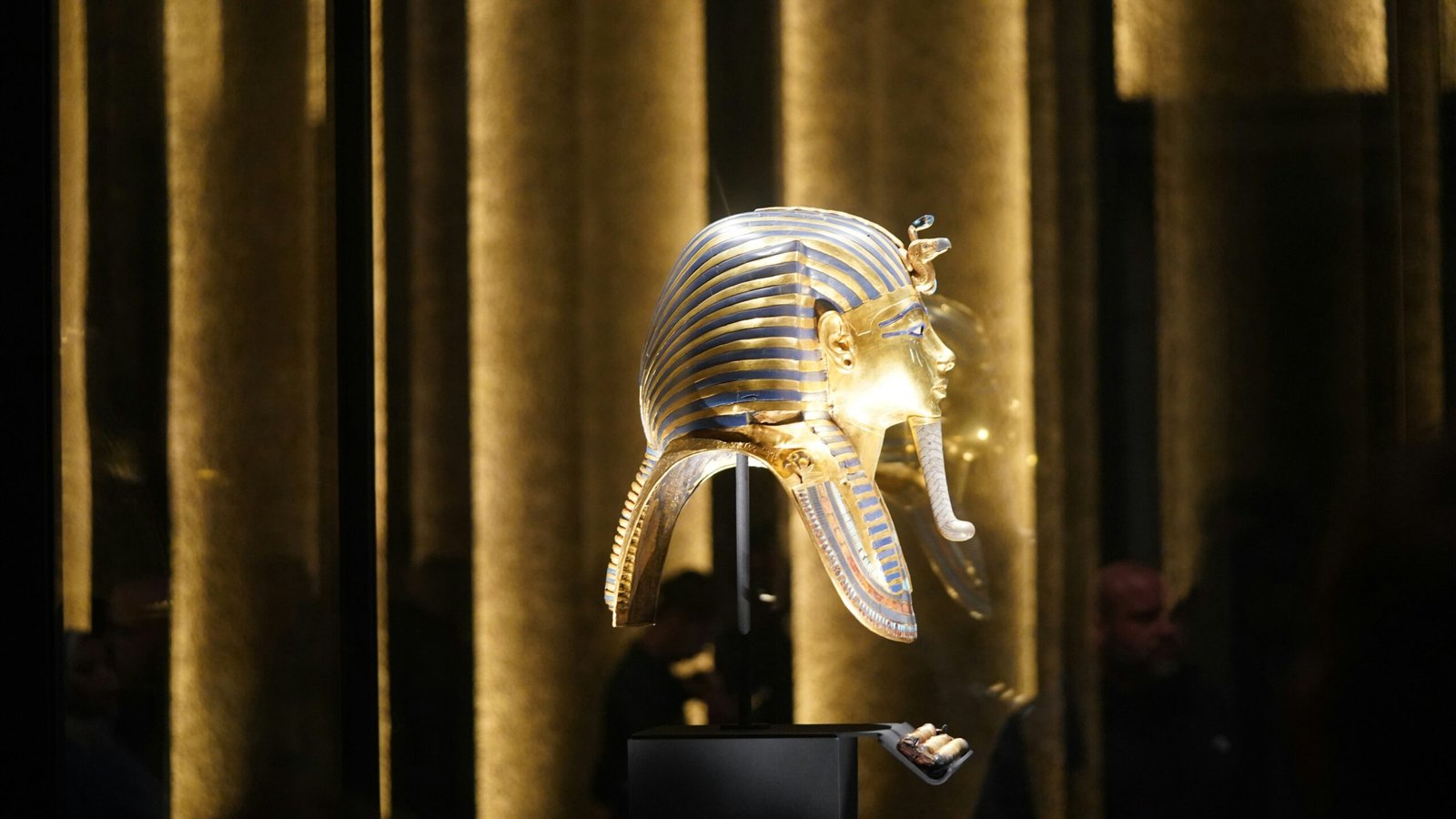

Inside KV62 were multiple chambers and layers of funerary equipment. The burial chamber contained nested gilded shrines and coffins, while other spaces held objects connected with ritual protection, daily life and the king’s journey into the afterlife.
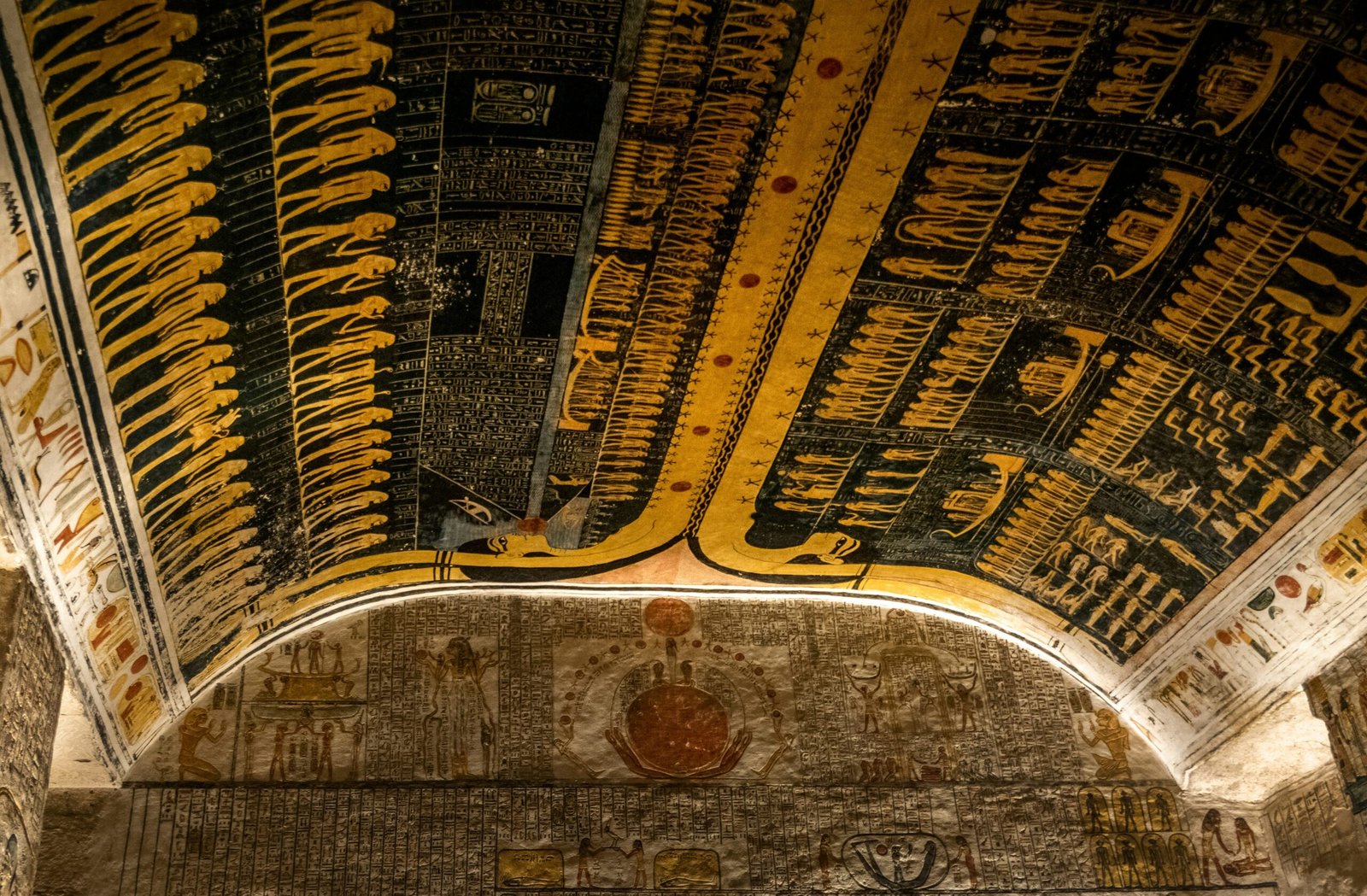
The real value of KV62 is not simply the amount of treasure. It is the unusually detailed picture the objects provide of royal life, craftsmanship, funerary belief and the organization of an Egyptian court more than three thousand years ago.
Visiting Tutankhamun in Luxor
For travelers in Luxor, Tutankhamun’s story becomes much more meaningful when experienced in the landscape where it happened. The Valley of the Kings lies on the West Bank, while Karnak Temple and Luxor Temple stand on the East Bank.
The tomb itself is relatively intimate compared with the monumental temples of Luxor. The temples show the public face of kingship—processions, gods, ceremonies and royal power—while a royal tomb reveals the private and ritual world prepared for the king’s afterlife.
If you are planning a Luxor itinerary, allow time for the Valley of the Kings rather than treating it as a quick stop. Combine it with other West Bank monuments and then explore Karnak or Luxor Temple on the East Bank.
What Tutankhamun Tells Us About Ancient Egypt
Tutankhamun is fascinating not because he ruled for a long time, but because his short reign sits at a crucial turning point. His story connects the Amarna period with the restoration of traditional Egyptian religion, and it connects the ancient world with one of the most famous archaeological discoveries of modern times.
He also reminds us how much history can survive in small details. A change in a royal name, a restored temple, a fragment of sculpture, a piece of furniture or a funerary object can reveal a larger story about political change and religious belief.
For Egypt travelers, that is the real attraction of Tutankhamun. The golden mask may be the image that first brings him to mind, but the deeper story is spread across the temples, tombs and museums of Egypt.

Explore More of Ancient Egypt
Plan Your Luxor & Egypt Journey
Stay close to the places you want to explore and build your Egypt itinerary around the temples, tombs, Nile and landscapes that make the journey memorable.
Egypt Hotels
Find accommodation across Egypt, from Cairo and Giza to Luxor and beyond.
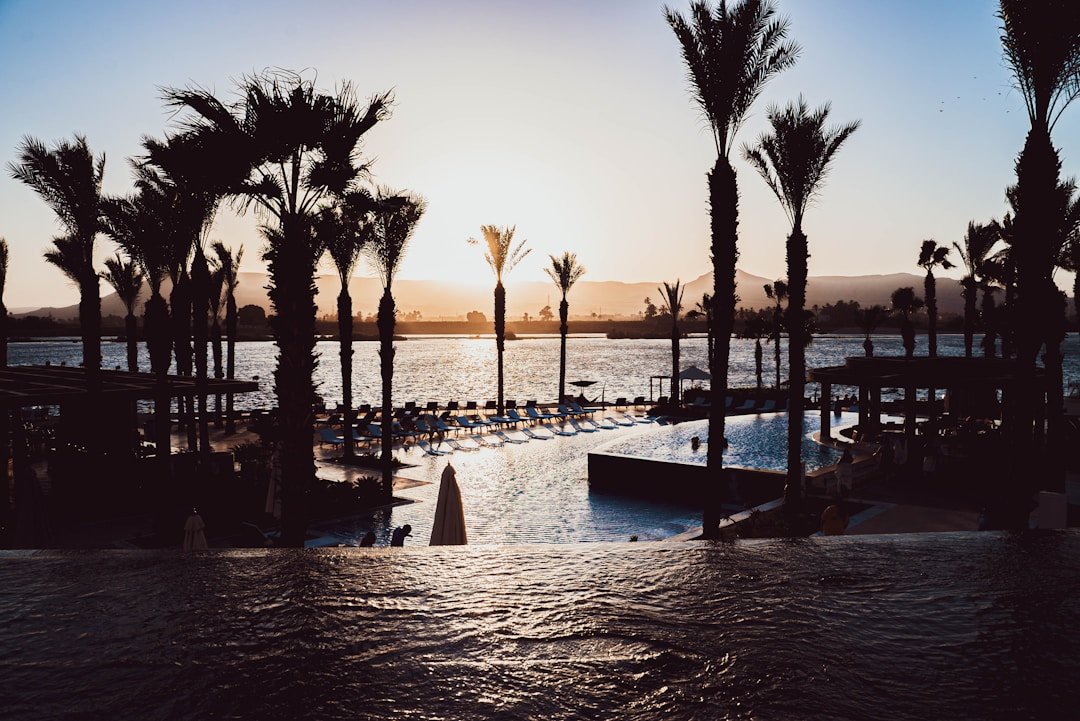
Luxor Hotels
Stay near Karnak, Luxor Temple, the Nile and the ancient landscapes of Thebes.
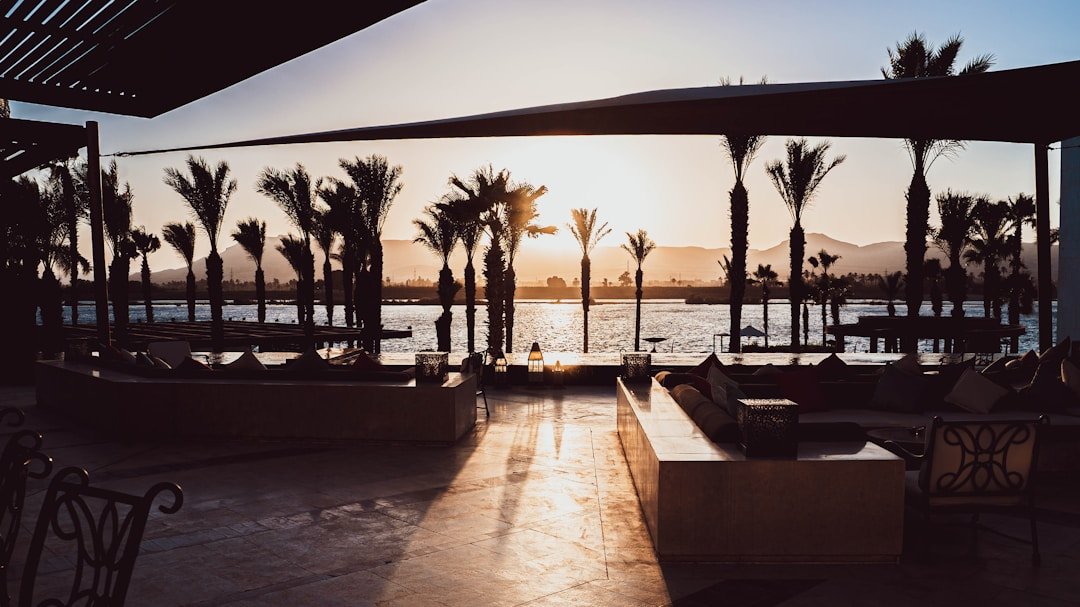
Villas & Apartments
Choose a spacious private stay for longer visits, families or independent travel.
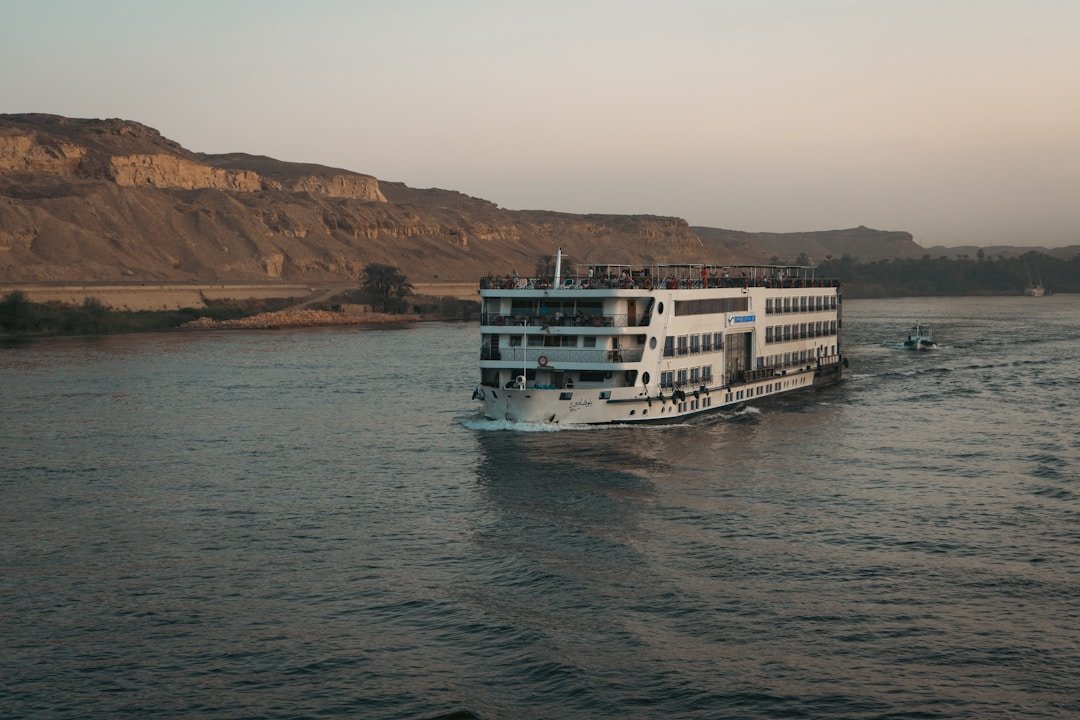
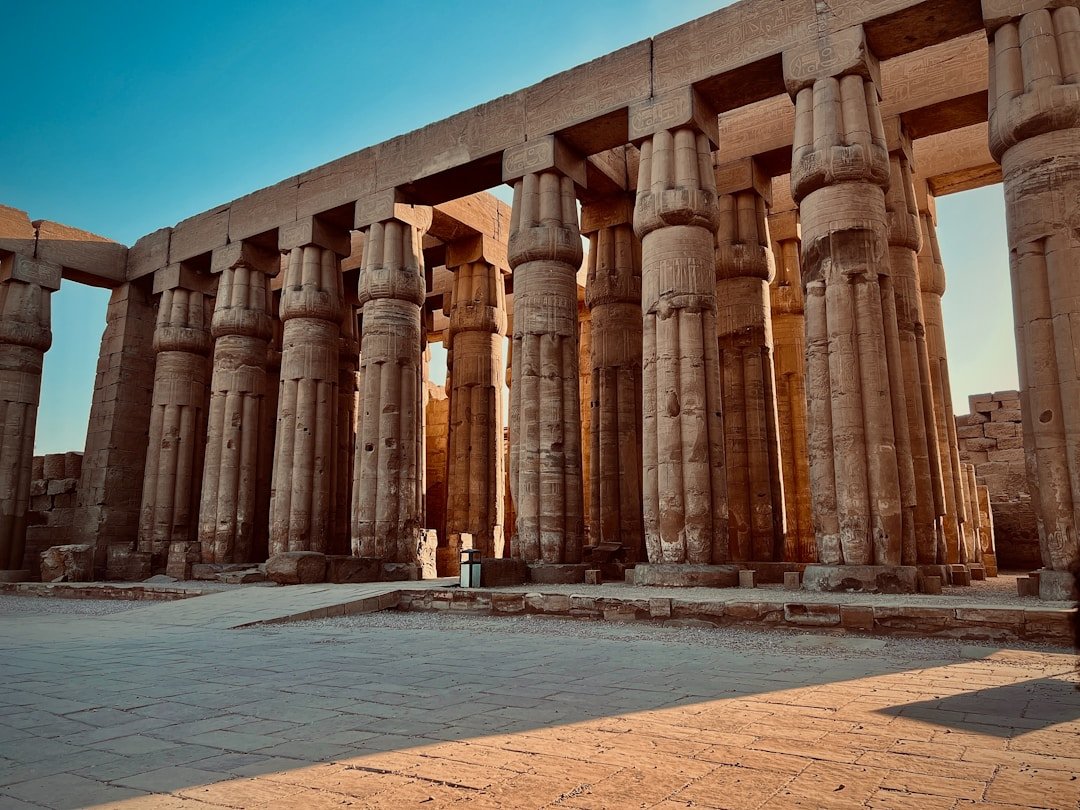
Luxor Tours
Combine the Valley of the Kings with Luxor’s temples and ancient landscapes.
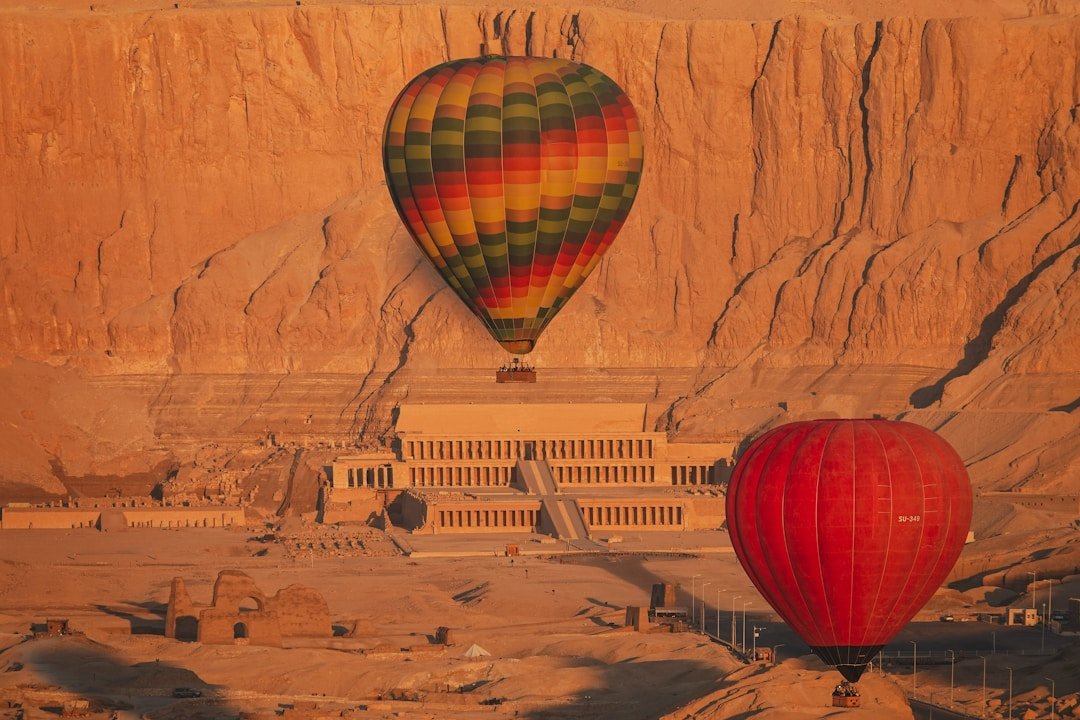
Hot-Air Balloon in Luxor
See the temples, Nile and ancient landscape from above at sunrise.