Valley of the Kings: Royal Tombs of the New Kingdom
There is a moment on Luxor’s west bank when the modern city seems to disappear. The road climbs into a dry valley surrounded by bare limestone cliffs, and suddenly the landscape feels almost untouched. Somewhere beneath those cliffs lie the tombs of the kings who ruled Egypt when its empire was at its height.
For nearly five hundred years, New Kingdom pharaohs chose this secluded valley as their royal burial ground. Instead of building enormous pyramids that announced the location of a king’s tomb, they cut long corridors deep into the rock and filled them with images, prayers and maps of the afterlife.
Luxor’s West Bank, in the Theban necropolis.
More than 60 numbered tombs and shafts, including royal burials.
KV62, the tomb of Tutankhamun, discovered in 1922.
Why Did the Pharaohs Choose This Hidden Valley?
The Valley of the Kings was not selected at random. The isolated desert valley offered natural protection, while the surrounding cliffs made the royal cemetery easier to control. Above it rises el-Qurn, a pyramid-shaped peak that may have strengthened the sacred character of the landscape.
The change from visible pyramids to hidden rock-cut tombs also reflected experience. Royal tombs had been looted in earlier periods, despite the enormous effort spent protecting them. In the New Kingdom, secrecy became part of the strategy.
The first New Kingdom ruler confirmed to have been buried here was Thutmose I of the Eighteenth Dynasty. From that point, the valley became one of the most important royal cemeteries in ancient Egypt. The Ministry of Tourism and Antiquities describes the valley’s location, isolation and natural pyramid-shaped peak as important elements in its selection.
Inside a Royal Tomb: A Journey Into the Afterlife
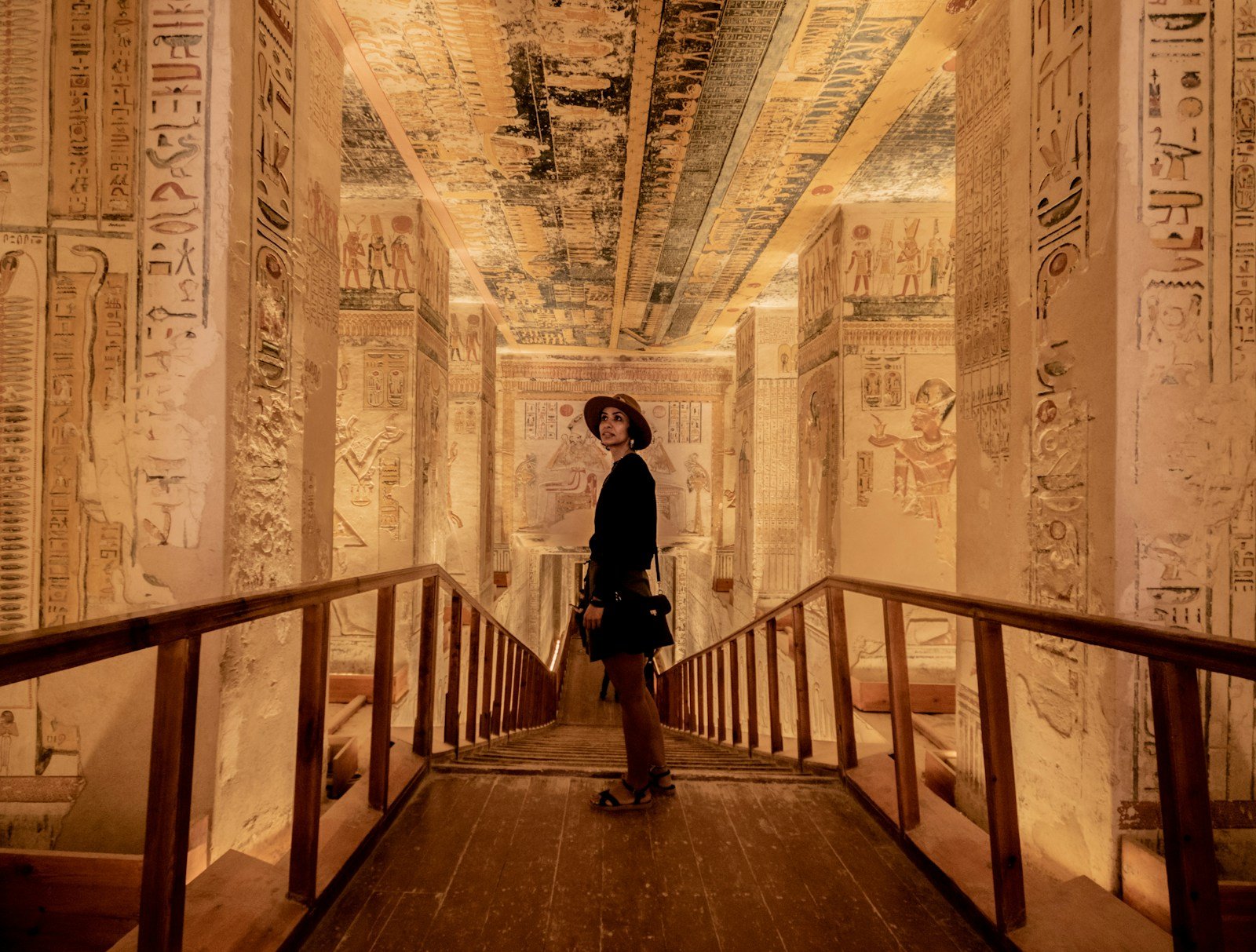

Entering a tomb in the Valley of the Kings is very different from standing outside a pyramid. The architecture pulls you underground. Corridors descend through the limestone, rooms open one after another, and the decoration becomes increasingly focused on the king’s journey after death.
The walls are covered with funerary compositions including the Amduat, the Book of Gates, the Book of Caverns, the Litany of Ra and other texts. These scenes were not simply decorative. They described the dangerous night journey of the sun god and provided the deceased king with religious knowledge intended to help him achieve rebirth.
Some tombs were decorated with extraordinary precision. Others were unfinished because the king died before the work could be completed. That variation is part of what makes the valley so revealing: the tombs preserve not only royal beliefs but also evidence of the practical process of building for eternity.
Tutankhamun: The Tomb That Changed the Valley Forever
Most royal tombs in the Valley of the Kings were entered and robbed in antiquity. KV62 was different. On 4 November 1922, Howard Carter’s excavation team found the entrance to the tomb of Tutankhamun, leading to one of the most famous archaeological discoveries ever made.
The tomb itself is surprisingly small for a pharaoh. Yet approximately 5,000 objects were found packed inside, including furniture, clothing, jewelry, weapons, chariots, cosmetics, vessels and other objects connected with royal life and burial. The Ministry of Tourism and Antiquities notes that the cramped space contained an extraordinary collection reflecting both palace life and funerary practice.
The result was a remarkable historical time capsule. Tutankhamun had not ruled for decades like some of the great kings, but his tomb preserved a level of material evidence that transformed modern understanding of an ancient Egyptian royal burial.
If you are fascinated by the Boy King, continue with our Tutankhamun story when available, or explore our guide to Egyptian Pharaohs.

The Tombs You Should Look For
There is no single “best” tomb for every visitor. Some are famous because of the people buried inside them; others are worth entering because of their decoration. Your selection can also depend on which tombs are open during your visit, since access changes as conservation work is carried out.
Ramesses VI — KV9
KV9 is especially memorable for its beautifully painted passages and astronomical decoration. The tomb was begun for Ramesses V and enlarged by Ramesses VI. Its walls contain funerary books and scenes describing the sun god’s journey through the night.
Seti I — KV17
The tomb of Seti I is celebrated for the quality of its reliefs and paintings. When access is available, it offers one of the clearest demonstrations of how far New Kingdom artists could push the decoration of an underground royal space.
KV5 — The Tomb of Ramesses II’s Sons
KV5 is different from a conventional single-king burial. It is a vast royal family tomb associated with the sons of Ramesses II. Its corridors and chambers reveal the scale of the Ramesside royal family and the continuing archaeological work taking place in the valley.
What It Feels Like to Visit the Valley of the Kings

The Valley is more physical than many first-time visitors expect. You walk through an exposed desert landscape, climb or descend into tombs, and move through narrow corridors where the air can feel warm and still.
For that reason, an early start is often the most comfortable choice. The Ministry of Tourism and Antiquities currently lists the Valley of the Kings as open daily from 6:00 AM to 5:00 PM, but opening arrangements, ticket prices and individual tomb access can change, so check the official information before travelling.
A standard Valley of the Kings visit includes access to three tombs, while additional tombs such as Tutankhamun’s require separate tickets. Tombs can also operate on a rotation to protect the ancient wall paintings.
Make the West Bank a full day
Instead of rushing through one attraction, build a West Bank itinerary around the Valley of the Kings. Combine the royal tombs with the Temple of Hatshepsut, the Colossi of Memnon and other nearby monuments. A knowledgeable local guide can also make the painted scenes easier to understand because the walls are telling a story rather than simply displaying decoration.
Valley of the Kings and Luxor: More Than One Site
The Valley of the Kings makes the most sense when viewed as part of ancient Thebes. Across the Nile, the East Bank was dominated by major temples such as Karnak and Luxor, while the West Bank developed around royal mortuary landscapes and cemeteries.
That is why staying in Luxor can be so useful for travelers. You can explore the West Bank in the morning, rest during the hottest part of the day, and return for another experience later. The city is effectively an open-air museum, with the Nile dividing two sides of an ancient religious and funerary landscape.
Explore our Luxor Temple guide and Karnak Temple guide to see how the royal burial landscape connects with the temples of ancient Thebes.
Why the Valley of the Kings Still Matters
The Valley is not simply a collection of famous tombs. It records a major change in Egyptian royal culture. The pharaohs moved away from monumental tombs that could be seen from far away and instead created hidden underground landscapes where architecture, writing, painting and religion worked together.
More than three thousand years later, the experience remains surprisingly direct. You can stand in a corridor painted for a king who expected to travel through the underworld, look at the same stars represented on an ancient ceiling, and then step back into the brilliant desert sunlight.
That connection between story and place is exactly why the Valley of the Kings belongs near the top of any serious Luxor itinerary.
Frequently Asked Questions About the Valley of the Kings
How many tombs are in the Valley of the Kings?
More than 60 numbered tombs and shafts are known in the Valley of the Kings. They include royal tombs as well as burials and unfinished excavations connected with other members of the royal and elite communities.
Can you visit Tutankhamun’s tomb?
Yes. KV62 is open to visitors, but it requires an additional ticket beyond the standard entrance arrangements. The rules and ticket prices can change, so check the official information before your visit.
How many tombs can you enter with the standard ticket?
The standard entrance normally includes three tombs. Additional tombs may require separate tickets, and the exact selection of open tombs can change for conservation reasons.
What is the best time to visit the Valley of the Kings?
Early morning is generally the most comfortable period because the West Bank is exposed and temperatures can rise quickly. It also gives you more time to explore nearby sites before the strongest heat of the day.
How long should I spend at the Valley of the Kings?
Allow at least two to three hours if you want to visit several tombs without rushing. If you are combining the valley with Hatshepsut’s temple, the Colossi of Memnon and other West Bank sites, plan a larger half-day or full-day itinerary.
Can I take photographs inside the tombs?
Photography rules vary by tomb and can change. Follow the instructions given at the site because protecting the ancient painted surfaces is more important than getting a photograph.
Is the Valley of the Kings suitable for everyone?
The site involves walking on uneven ground, stairs and narrow passages. Visitors with mobility concerns should plan carefully and check the current access arrangements before travelling.
EXPLORE MORE OF ANCIENT EGYPT

Egypt Travel Experiences
Build unforgettable days around Egypt’s ancient sites, culture and landscapes.
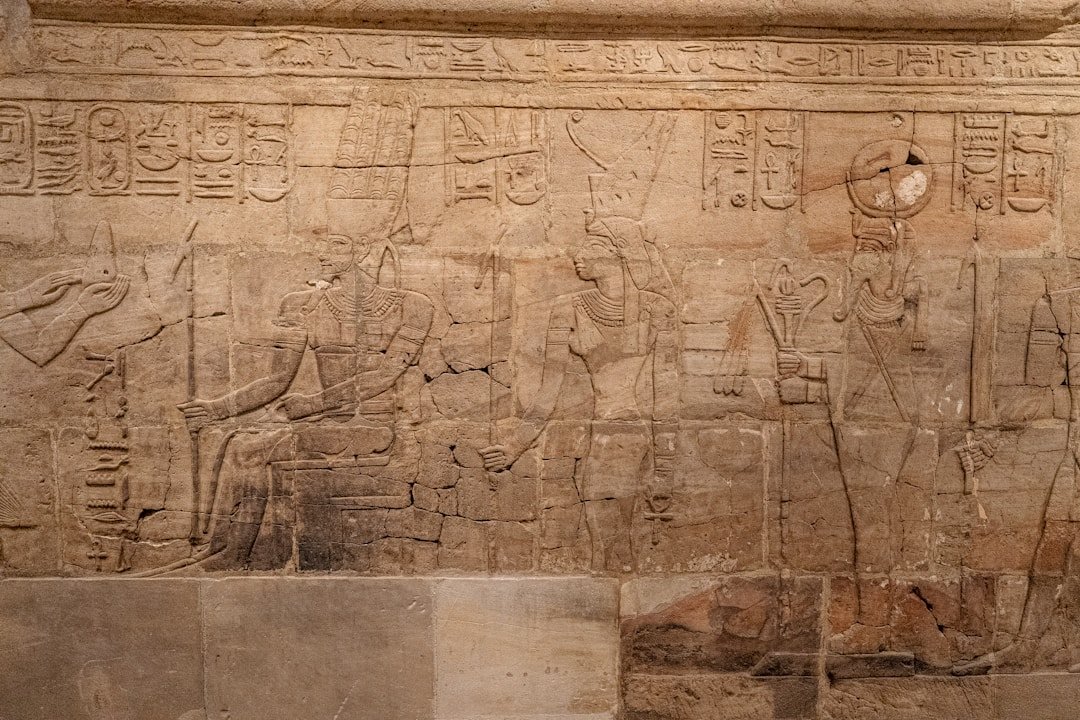
Local Egypt Guides
Make the stories, tombs and monuments easier to understand with local expertise.
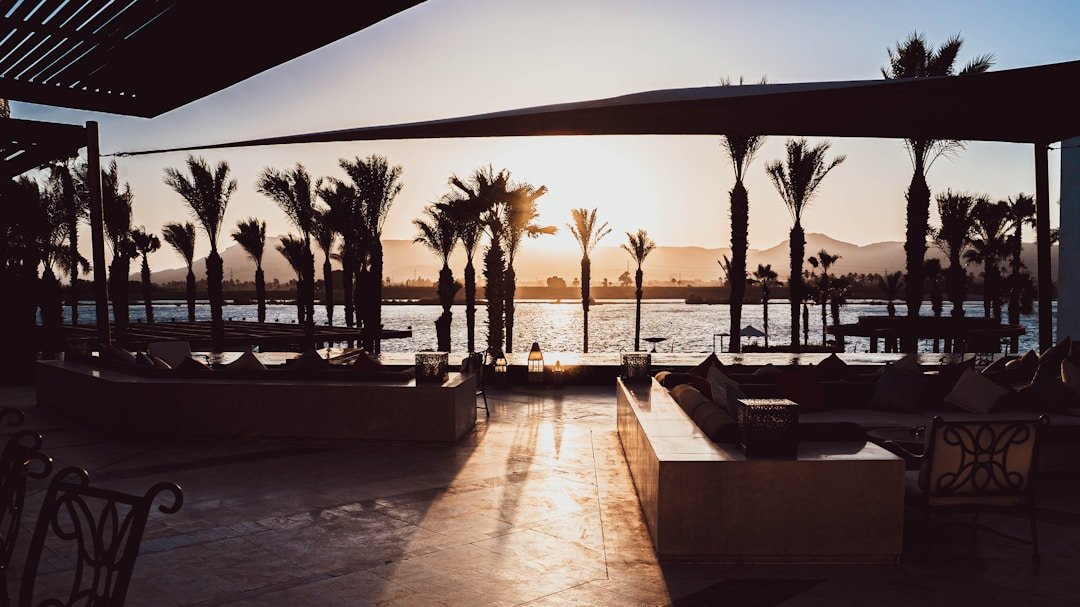
Villas & Apartments in Luxor
Choose a private stay for a longer Luxor visit.
PREMIUM BOOKING
Plan Your Egypt Journey
Turn your Egypt history trip into a complete experience — from hotels and private stays to Luxor tours, local guides and unforgettable sunrise adventures.
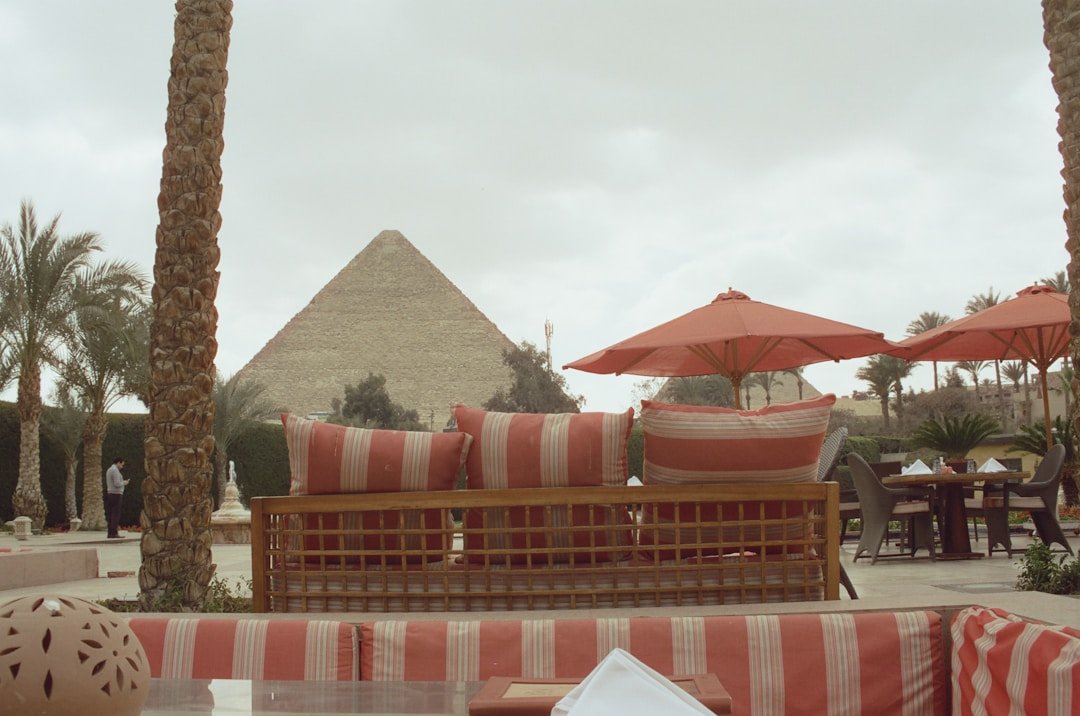
Egypt Hotels
Stay in hotels across Egypt and build your trip around the places you want to explore.
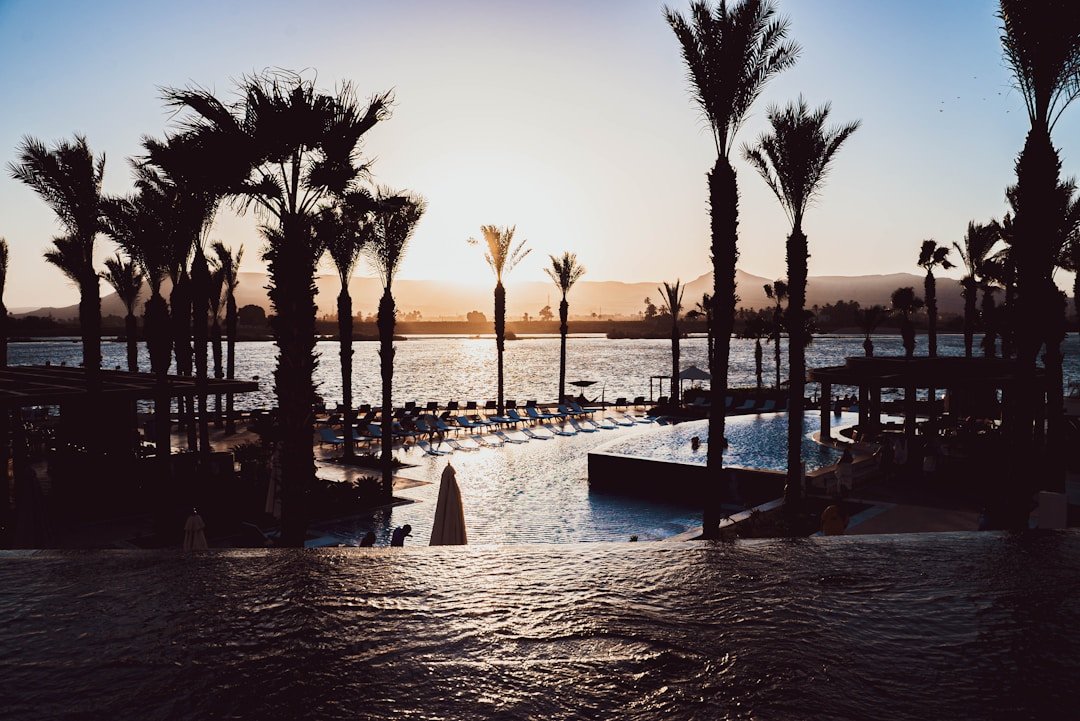
Luxor Hotels
Stay close to the temples, Nile and West Bank monuments of ancient Thebes.
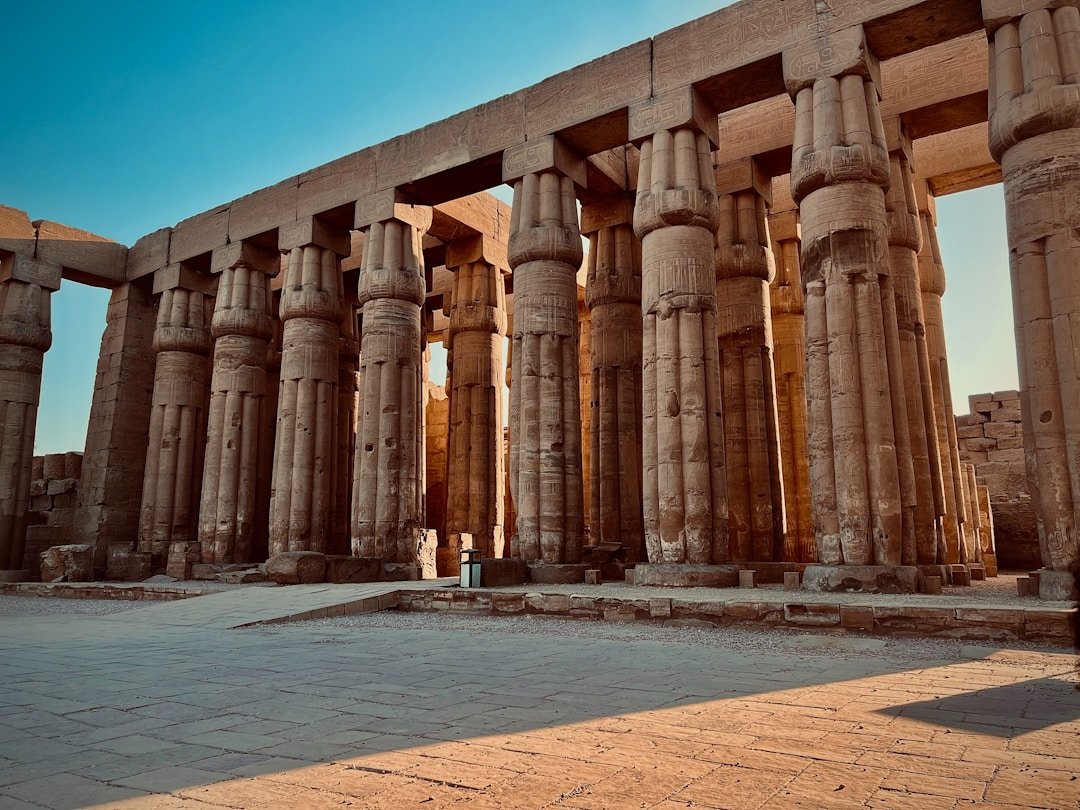
Luxor Tours
Explore the Valley of the Kings, Hatshepsut and the West Bank with a planned visit.
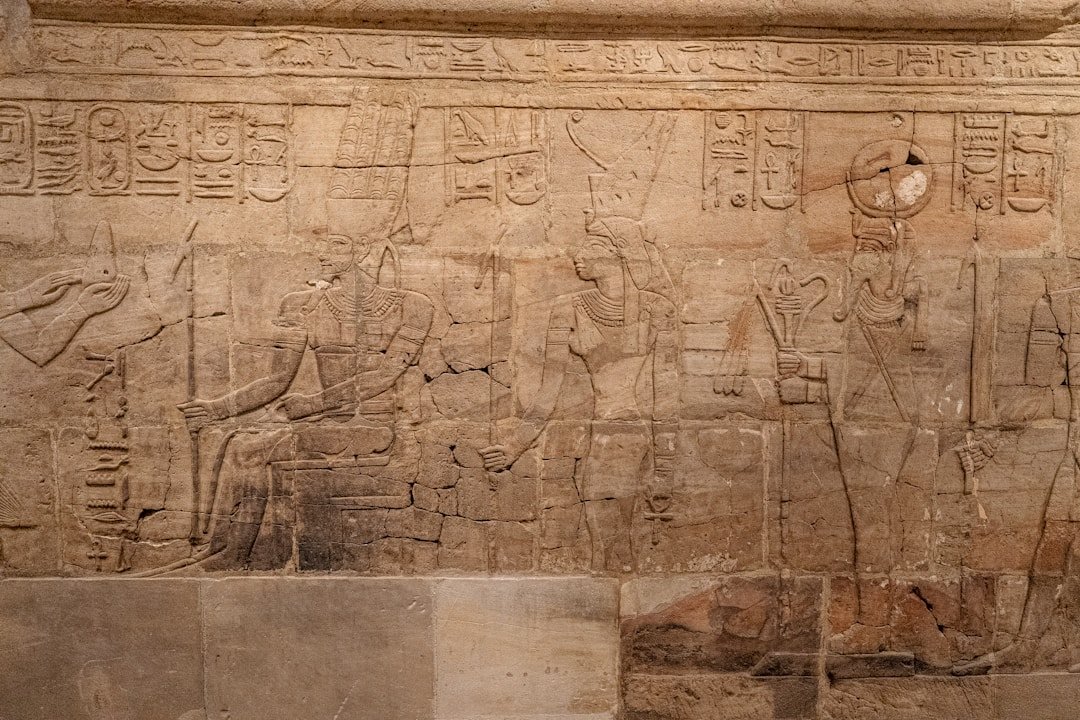
Local Egypt Guides
Understand the tomb paintings, pharaohs and stories with local guidance.
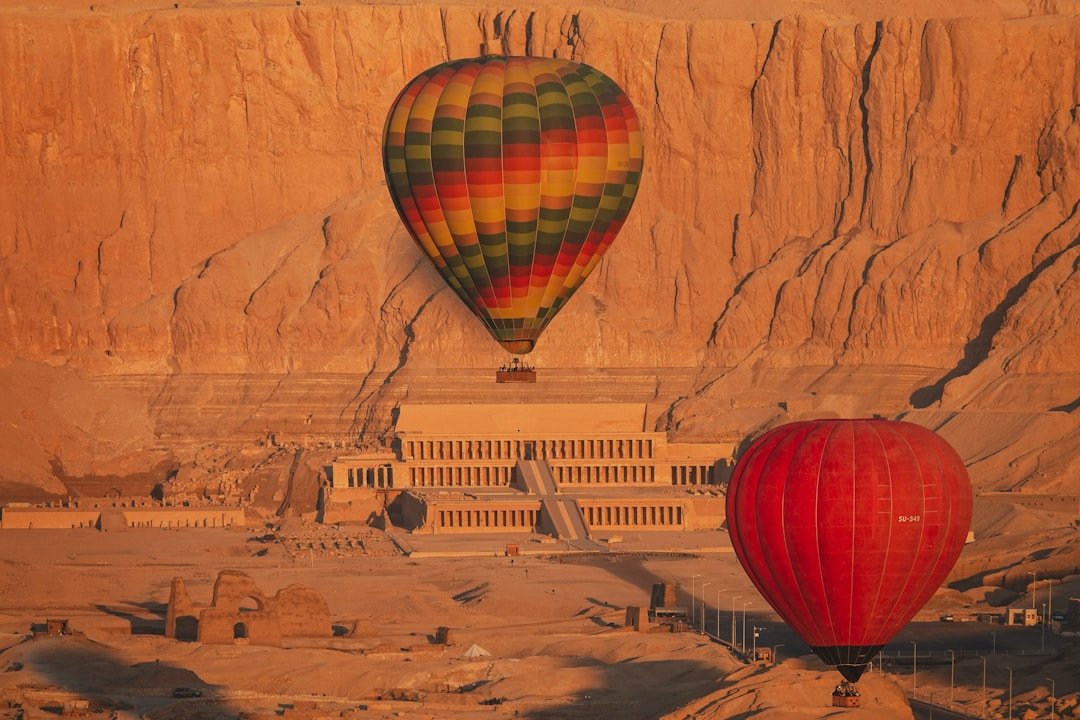
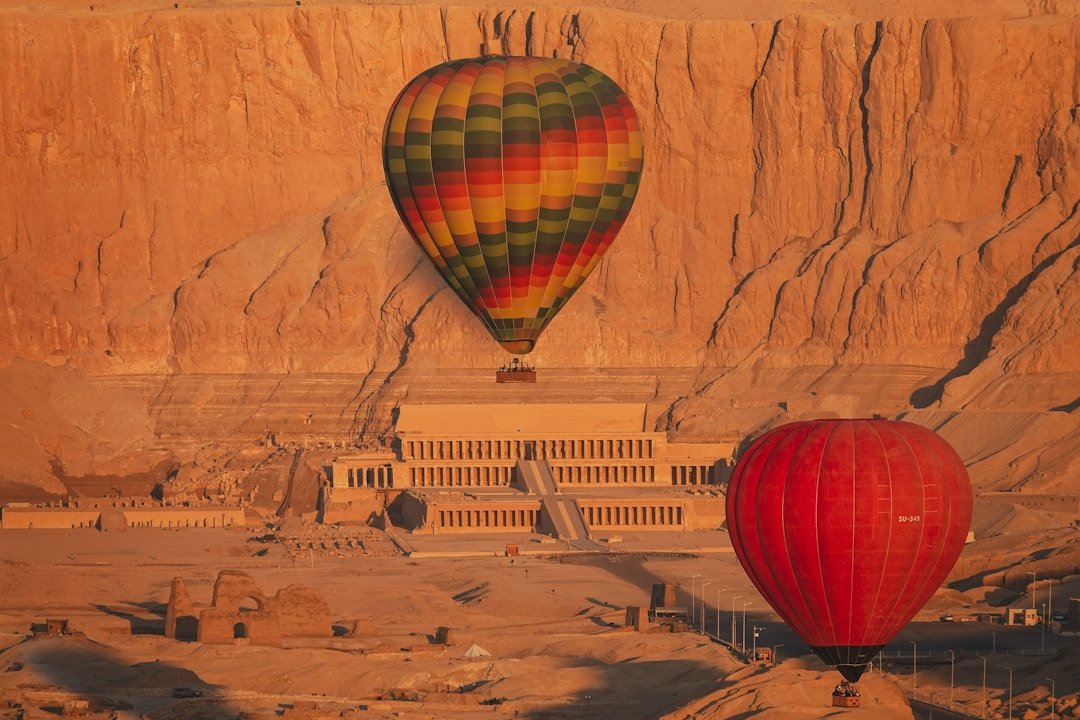
Hot Air Balloon Luxor
See the West Bank, Valley of the Kings and ancient landscape from above.
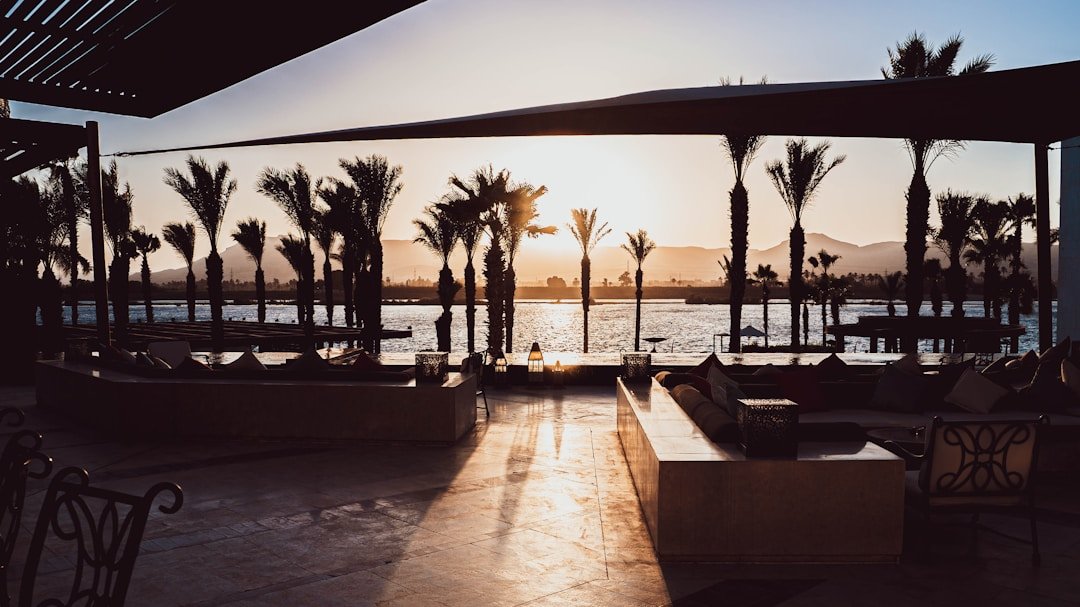
Villas & Apartments in Luxor
Choose a private stay for a longer Luxor visit.
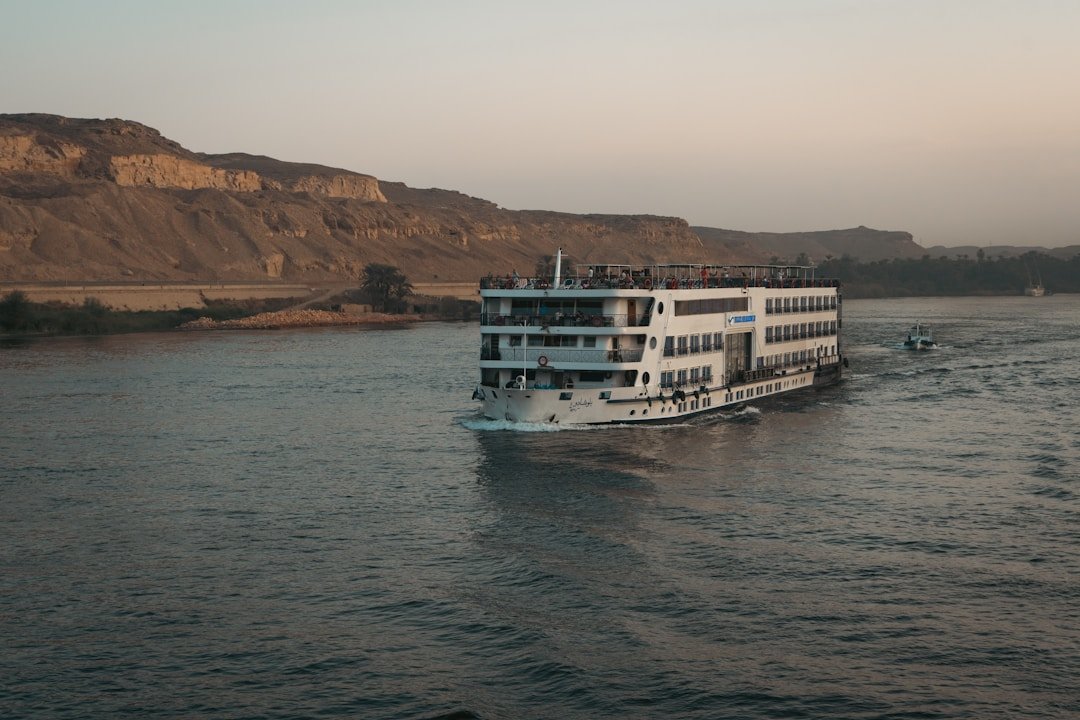
Nile Cruises
Discover Egypt from the Nile with memorable cruise experiences between historic cities.
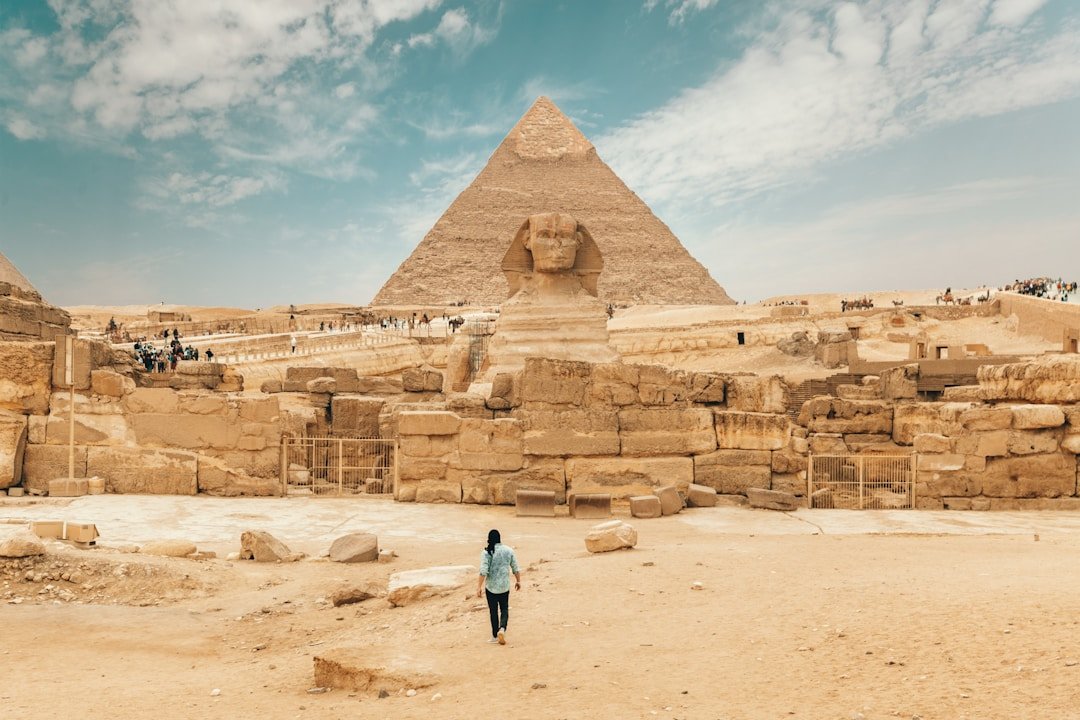
Egypt Tours
Explore Egypt with thoughtfully planned tours covering its most iconic places.
Private Egypt Tours
Travel at your own pace with private experiences designed around your Egypt journey.
Egypt Travel Experiences
Add memorable local experiences to your Egypt itinerary beyond the major monuments.