Karnak Temple: The Great Sacred Complex of Amun
On the east bank of the Nile in Luxor stands one of the greatest religious landscapes ever built. Karnak is not a single temple, but a vast complex shaped by generations of kings, priests, architects and craftsmen. Its pylons, columns, obelisks, sanctuaries and sacred lake preserve more than two thousand years of Egyptian religious history.
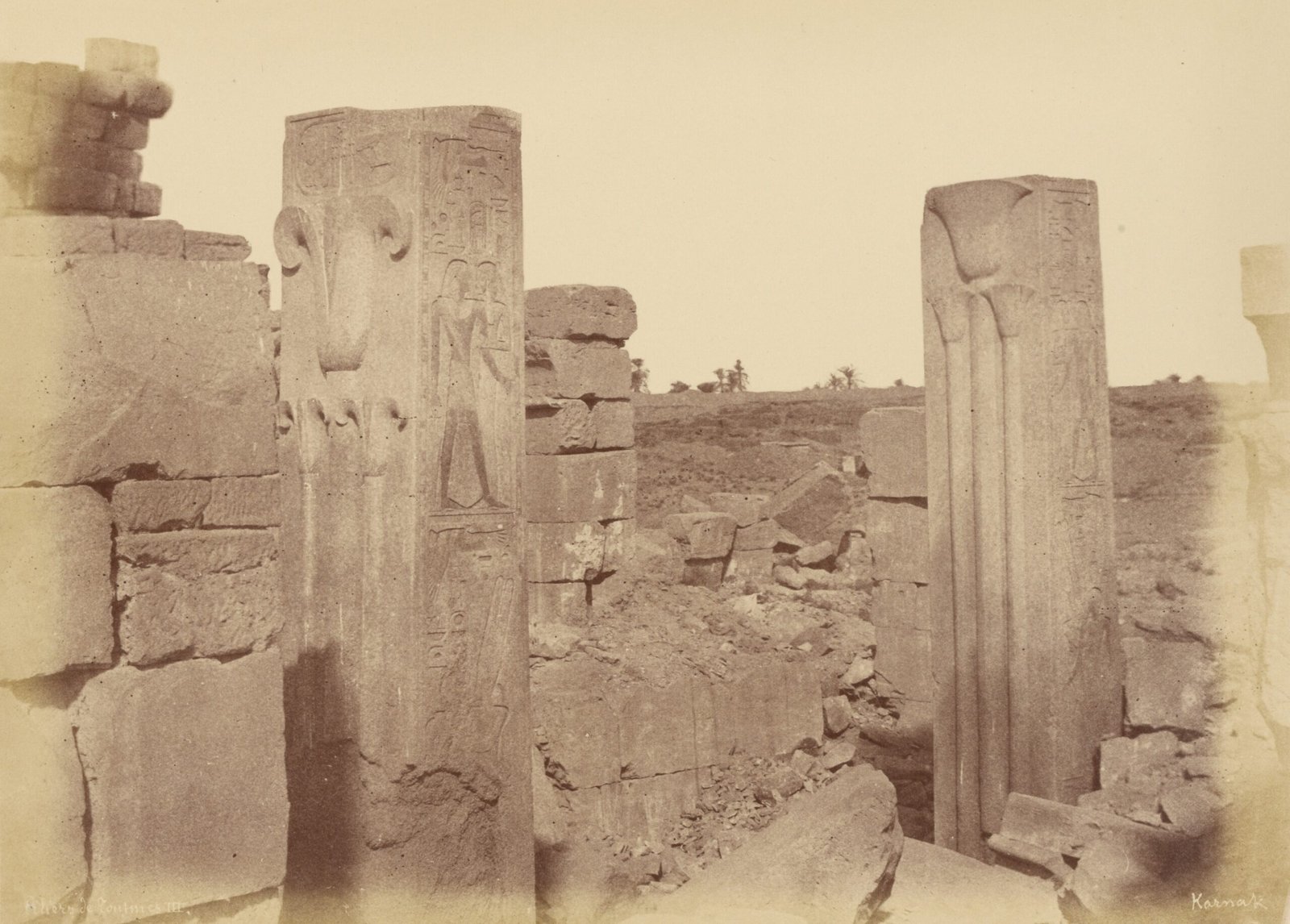
Karnak Was a Sacred Complex, Not a Single Temple
One of the most important things to understand about Karnak is that it was never simply one enormous building. It is a collection of temples, chapels, pylons, courts, obelisks, processional spaces and sacred areas that grew over many centuries.
The largest and best-known section is the Precinct of Amun. Nearby precincts were associated with other members of the Theban religious tradition, including Mut and Montu. Together, these spaces formed part of the sacred landscape of ancient Thebes.
The scale of Karnak reflects the importance of Amun. During the New Kingdom, Thebes became one of Egypt’s most powerful religious and political centers, and Amun-Ra became deeply connected with royal authority. Kings did not merely worship at Karnak; they continually reshaped it, leaving their names and ambitions in stone.
The Heart of Theban Religion
Karnak rose to major prominence during the Middle Kingdom and expanded dramatically during the New Kingdom. As the cult of Amun grew in influence, the sanctuary accumulated land, wealth, priests and monumental architecture.
The temple was not only a place where people came to admire statues. Much of its most important religious activity was restricted to priests and royal ritual. The deeper the visitor moved into the sanctuary, the more exclusive and sacred the spaces became.
A Monument Built by Generations of Pharaohs
Many rulers contributed to Karnak. Hatshepsut erected monuments and obelisks connected with Amun. Thutmose III expanded the complex and added important structures. Amenhotep III contributed to its development, while Seti I and Ramesses II became closely associated with the Great Hypostyle Hall. Later rulers continued to alter and decorate the complex.
This layering is part of what makes Karnak extraordinary. A visitor can move through one architectural sequence and encounter evidence of very different periods of Egyptian history. The monument is therefore not only a temple; it is an archive of royal power, religious change and artistic development.
The Great Hypostyle Hall
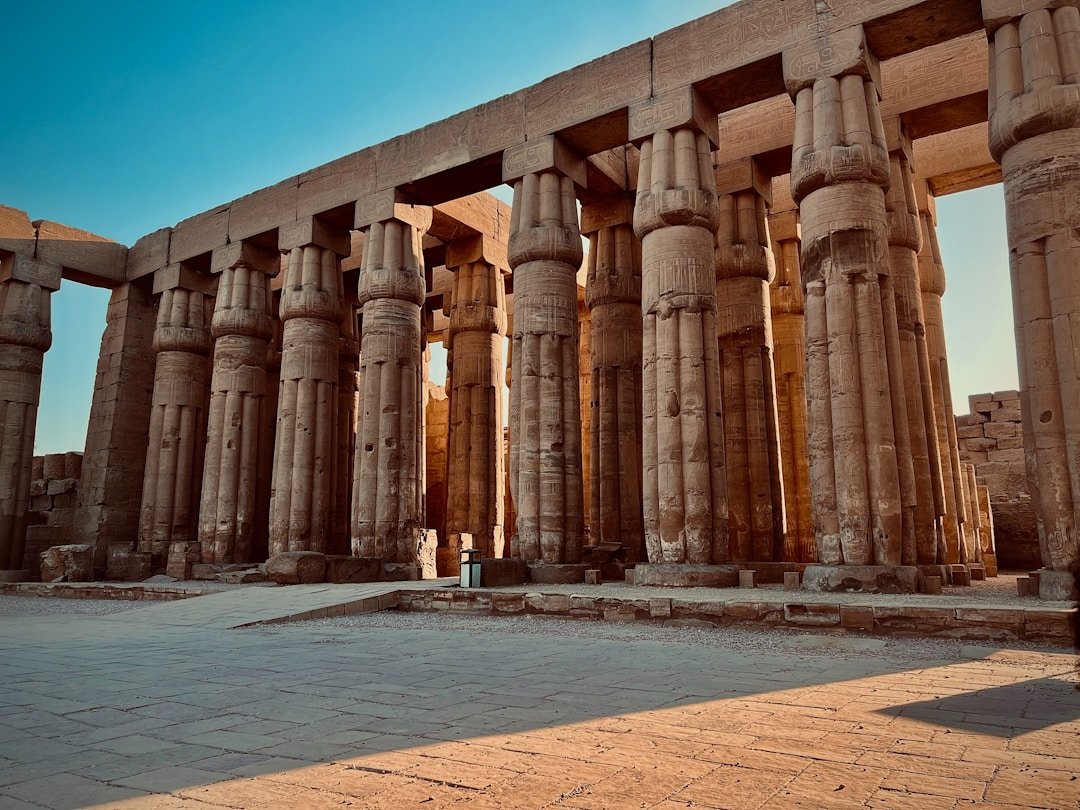
The Great Hypostyle Hall is the space most visitors remember. Its 134 columns create an extraordinary forest of stone. The twelve central columns rise to roughly 21 metres, while the surrounding columns are lower, creating a raised central zone that once helped illuminate the hall through clerestory windows.
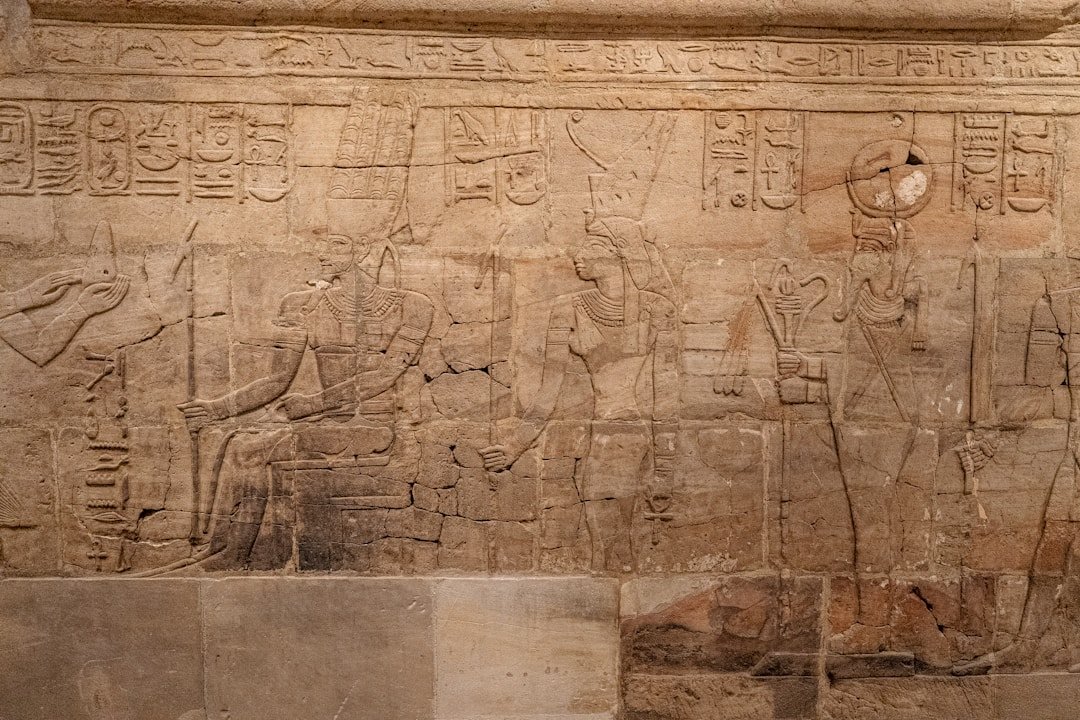
Construction and decoration were developed under Seti I and Ramesses II, building on earlier work. Reliefs cover the columns and walls with scenes of kings before the gods, ritual activity, offerings and royal achievements.
Look upward and outward rather than simply walking through the middle. The changing scale of the columns, surviving colour traces, inscriptions and reliefs reveal how carefully the hall was designed to make the visitor feel surrounded by the power of the temple.
Hatshepsut, Obelisks and the Memory of Kings
Karnak also preserves some of the most impressive monuments connected with Hatshepsut. Her surviving obelisk is one of the site’s most recognizable landmarks, rising dramatically above the surrounding architecture.
Hatshepsut’s building program at Karnak was closely connected with Amun and with the religious presentation of her kingship. Later rulers altered some of her monuments and inscriptions, leaving behind evidence of how royal memory could be reshaped after a pharaoh’s death.
The obelisks of Karnak are especially valuable because they show how architecture could serve several purposes at once: honoring the gods, celebrating a ruler and marking the sacred space of the temple.
The Sacred Lake and Temple Life
Beyond the great halls lies the Sacred Lake, a quieter space that helps explain the practical side of temple life. Ritual purification was an essential part of priestly activity, and the lake formed part of the sacred environment of the complex.
For modern visitors, the lake also provides a useful pause after the immense columns and crowded monumental spaces. It reminds us that Karnak functioned as a living religious institution, not simply as a collection of monuments.
Karnak and the Opet Festival
Karnak’s story cannot be separated from Luxor Temple. The two sanctuaries formed part of a wider sacred landscape connected by a processional route associated with the Avenue of Sphinxes.
During the Opet Festival, sacred images associated with Amun, Mut and Khonsu were carried in procession from Karnak toward Luxor Temple. The ceremonies were associated with renewal, divine kingship and the restoration of cosmic order.
That relationship makes a visit to both temples especially rewarding. Luxor Temple feels more concentrated and closely tied to royal renewal, while Karnak reveals the enormous institutional and religious world behind the Theban cult of Amun.
Karnak Through the Later Periods
Construction and religious activity continued after the great New Kingdom building programs. Ptolemaic and Roman rulers added or modified structures, although the scale of new construction changed.
Later Christian communities reused parts of the complex, just as other ancient Egyptian monuments were adapted to new religious realities. These layers are part of the site’s history rather than interruptions to it. Karnak survived because people continued to interact with the place, even as its original religious role changed.
Why Karnak Feels Different from the Pyramids
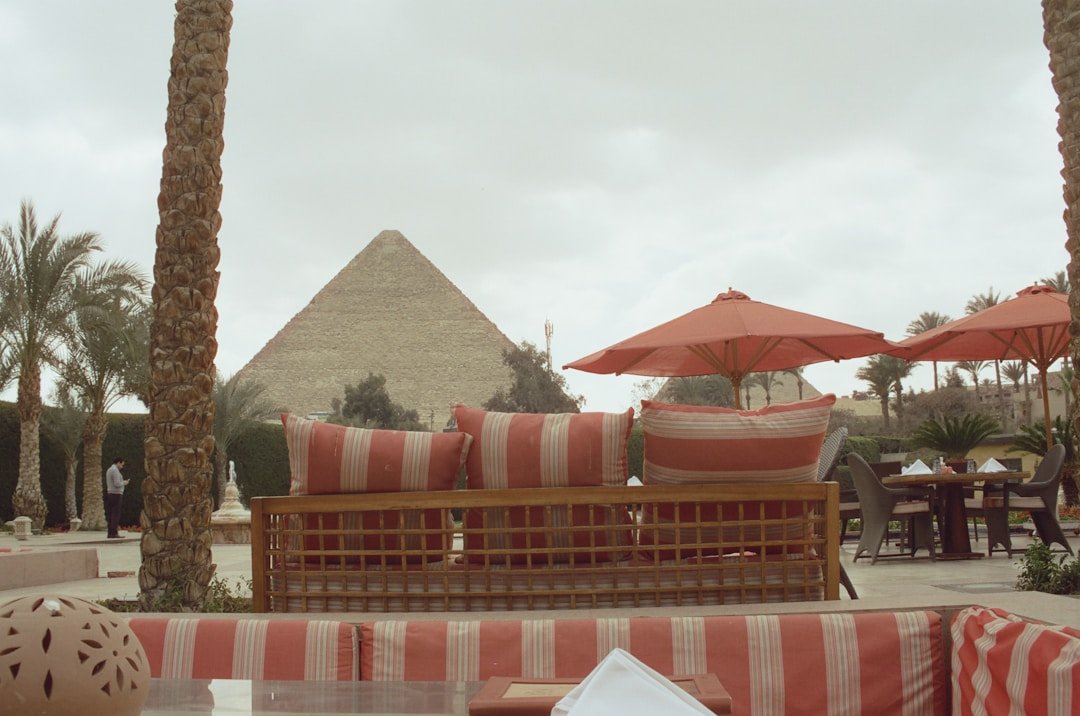
The pyramids are monumental forms that can be understood from a distance. Karnak rewards movement. You pass through gateways, courts and halls, moving gradually from enormous public spaces toward more restricted sacred areas.
The experience is therefore architectural as much as visual. Light, scale, procession, inscriptions and the changing height of the columns were all part of how the ancient visitor experienced the sanctuary.
Visiting Karnak Temple in Luxor
Allow at least 2–3 hours
Karnak is large. A rushed visit can cover the main route, but two to three hours gives you time to appreciate the Hypostyle Hall, Sacred Lake and selected side monuments.
Start early
Morning usually means cooler conditions and better light for architecture and photography. Check current opening and ticket information before visiting.
Wear comfortable shoes
Expect considerable walking across stone surfaces, with limited shade in some open courts. Water, sun protection and comfortable footwear make a real difference.
Read the smaller details
Do not focus only on the biggest columns. Reliefs, royal names, smaller chapels and inscriptions often reveal the most interesting stories.
Karnak in the Story of Ancient Thebes
Karnak is one part of the wider Theban archaeological landscape. After exploring the east bank, travelers can cross the Nile to the Valley of the Kings and other monuments of the west bank.
The connection is important: temples such as Karnak and Luxor Temple belonged to the religious landscape of the living city, while the west bank preserves the royal and funerary landscape of the New Kingdom. Together they make the history of Thebes far easier to understand.
Why Karnak Still Matters
No single generation created the Karnak we see today. That is precisely its power. The complex preserves changing ideas about Amun, kingship, ritual, architecture and royal memory across centuries.
Standing beneath the columns of the Great Hypostyle Hall, the remarkable thing is not simply that the stones are ancient. It is that generation after generation believed the sanctuary was worth enlarging, decorating and maintaining.
Karnak was never simply finished. It was continually rewritten. That is why it remains one of the essential places to visit for anyone who wants to understand ancient Egypt beyond the pyramids.
Explore More of Ancient Egypt
🏛️ Luxor Temple
Continue south to the Southern Sanctuary of Ancient Thebes and discover its royal and religious story.
👑 New Kingdom
Discover the era when Thebes, Amun and Egypt’s great imperial pharaohs reached extraordinary power.
👸 Hatshepsut
Follow the remarkable story of the female pharaoh whose monuments still shape Karnak’s landscape.
⚱️ Valley of the Kings
Cross to the west bank and explore the royal tombs of New Kingdom pharaohs.
Premium Booking
Build your Luxor journey around the temples, Nile, West Bank and experiences that make ancient Thebes unforgettable.
Villas & Apartments in Luxor
Choose more space and a home-style stay for families or longer visits.
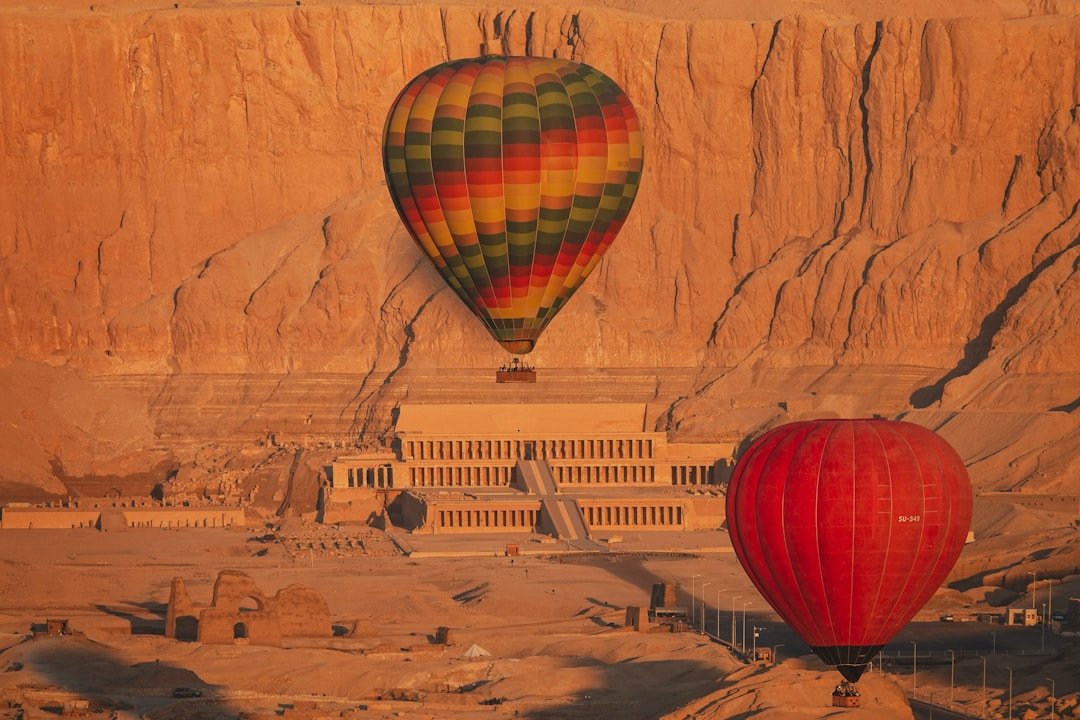
Hot Air Balloon
See Karnak, Luxor and the ancient Theban landscape from above at sunrise.

Egypt Travel Experience
Find memorable experiences to add to your Egypt itinerary.
Private Egypt Tours
Choose a personal itinerary built around your interests and pace.
Frequently Asked Questions
How large is Karnak Temple?
Karnak is a vast religious complex rather than a single temple. Its principal precincts and monuments cover a huge archaeological area on Luxor’s east bank.
What is the Great Hypostyle Hall?
It is Karnak’s famous forest of columns: 134 columns in total, including twelve much taller central columns associated with the raised central roof zone.
How long should I spend at Karnak?
Two to three hours is a practical minimum for the major highlights. Travelers who want to explore more of the side monuments can easily spend half a day.
What is the connection between Karnak and Luxor Temple?
The temples formed part of the sacred landscape of Thebes and were connected by a processional route associated with the Avenue of Sphinxes. The Opet Festival linked the two sanctuaries through ritual procession.
Is Karnak worth visiting?
Yes. For understanding Amun, New Kingdom religion, royal building programs and the development of Thebes, Karnak is one of the most important ancient Egyptian sites to experience.
The Great Sacred Complex of Amun
Karnak rewards patience. The first impression may be the enormous pylons and columns, but the deeper story is about generations of Egyptians who continually rebuilt a sacred place according to their beliefs, politics and ambitions.
Walk slowly, look at the inscriptions, compare the different architectural periods, and then connect Karnak with Luxor Temple and the west-bank monuments. That is when the ancient landscape of Thebes begins to make sense—not as isolated attractions, but as one extraordinary story.
Pingback: Luxor Temple: History, Amenhotep III & Ramesses II
Pingback: Valley of the Kings: Royal Tombs of the New Kingdom - egyptsaga.com
Pingback: Temple of Hatshepsut at Deir el-Bahari: History, Architecture & How to Visit - egyptsaga.com
Pingback: Temple of Edfu: The Best-Preserved Temple of Horus - egyptsaga.com