Hatshepsut: The Female Pharaoh Who Ruled as King
Hatshepsut stands out among ancient Egypt’s rulers. More than three thousand years ago, she moved from regent for a young heir to the full role of pharaoh, adopting the titles, regalia, and visual language traditionally associated with a king. Her reign, generally dated to around 1479–1458 BCE, became one of the most distinctive chapters of the early New Kingdom.
She was the daughter of Thutmose I and the principal wife of her half-brother Thutmose II. When Thutmose II died, his heir Thutmose III was still a child, and Hatshepsut initially governed as regent. Within a few years she had taken the full royal titulary and was being represented in the traditional form of a male king.
What makes Hatshepsut especially fascinating is the way she built her royal legacy. Her monuments emphasize trade, religious devotion, construction, and royal legitimacy. Her famous expedition to the Land of Punt brought valuable goods to Egypt, while her mortuary temple at Deir el-Bahari became one of the most distinctive architectural achievements of the New Kingdom.
Today, visitors to Luxor can still see the monuments associated with her reign. Her temple stands on the west bank of the Nile beneath the cliffs of Deir el-Bahari, creating one of the most remarkable connections between ancient Egyptian history and the modern landscape of Luxor.
Early Life and Path to Power
Hatshepsut was the daughter of Pharaoh Thutmose I and Queen Ahmose. Her royal ancestry placed her close to the center of Egyptian political and religious life from birth.
She later married her half-brother Thutmose II, following royal customs that helped preserve the succession within the ruling family. They had a daughter, Neferu-Ra. Thutmose II also had a son, Thutmose III, with a secondary wife named Isis.
When Thutmose II died, Thutmose III was still a child. Hatshepsut therefore became regent and governed on behalf of the young king.
At first, Hatshepsut was represented primarily in the role of queen and regent. Over the following years, however, her political position changed dramatically. She adopted the throne name Maatkare and was represented increasingly as a king.
The exact circumstances of this transition remain an important subject of historical discussion. What is clear from surviving monuments is that Hatshepsut did not simply remove Thutmose III from the royal system. Both rulers continued to appear in official monuments, with Hatshepsut occupying the senior position during much of this period.
Her official imagery is particularly revealing. Some statues portray her with feminine features, while others present her using the traditional regalia and visual language of a male Egyptian king, including the ceremonial false beard.
This was more than a matter of appearance. Egyptian kingship carried deep religious meaning, and Hatshepsut used the established symbols of kingship to communicate her legitimacy and authority.
Hatshepsut and the Expedition to Punt
One of the most famous episodes of Hatshepsut’s reign was the expedition to the Land of Punt.
Punt was a trading region known to the ancient Egyptians for valuable natural products. Its exact location remains debated, although it is generally associated with regions around the southern Red Sea and the Horn of Africa.
The expedition is documented in extraordinary reliefs at Hatshepsut’s temple at Deir el-Bahari.
The scenes show ships traveling toward Punt, encounters with its rulers, and the return journey carrying exotic goods. Products associated with the expedition included myrrh, frankincense, ebony, ivory, gold, animal products, and other valuable materials.
One of the most memorable details is the attempt to bring living myrrh trees back to Egypt. The temple reliefs depict the trees being transported and planted after their arrival.
The expedition was important economically, but it also carried a powerful political and religious message.
Hatshepsut presented the journey as evidence of successful kingship. The goods brought into Egypt could support temples and religious institutions, while the reliefs ensured that the achievement would remain visible for generations.
Rather than focusing exclusively on military conquest, Hatshepsut’s monuments presented prosperity, trade, diplomacy, and religious devotion as important expressions of royal power.
The story of Punt therefore became part of a larger message: Egypt could prosper through organized trade and effective administration as well as through military strength.
Deir el-Bahari: Hatshepsut’s Great Temple
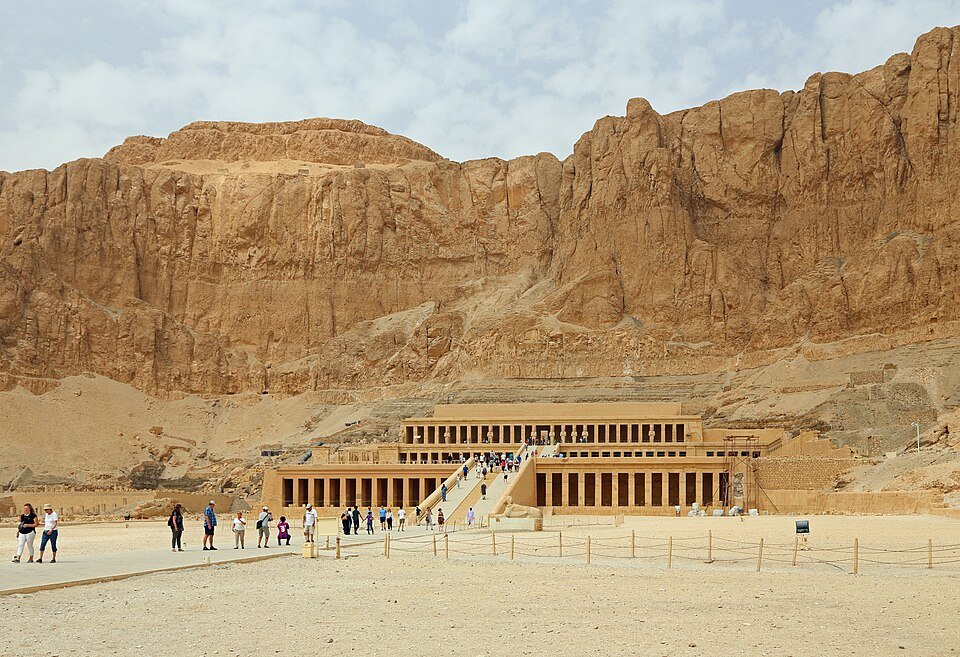
Hatshepsut’s greatest surviving monument is her mortuary temple at Deir el-Bahari on the west bank of the Nile at Luxor.
Few ancient Egyptian monuments are so closely connected with their natural surroundings.
The temple rises in terraces beneath a dramatic limestone cliff. Long ramps connect the different levels, while colonnades frame the open spaces and lead toward the sanctuary areas.
Instead of relying entirely on the massive pylons associated with many Egyptian temples, the architects created a structure that works together with the surrounding landscape.
The result is striking.
The temple appears to emerge from the cliffs behind it, creating a powerful visual relationship between architecture, landscape, and religion.
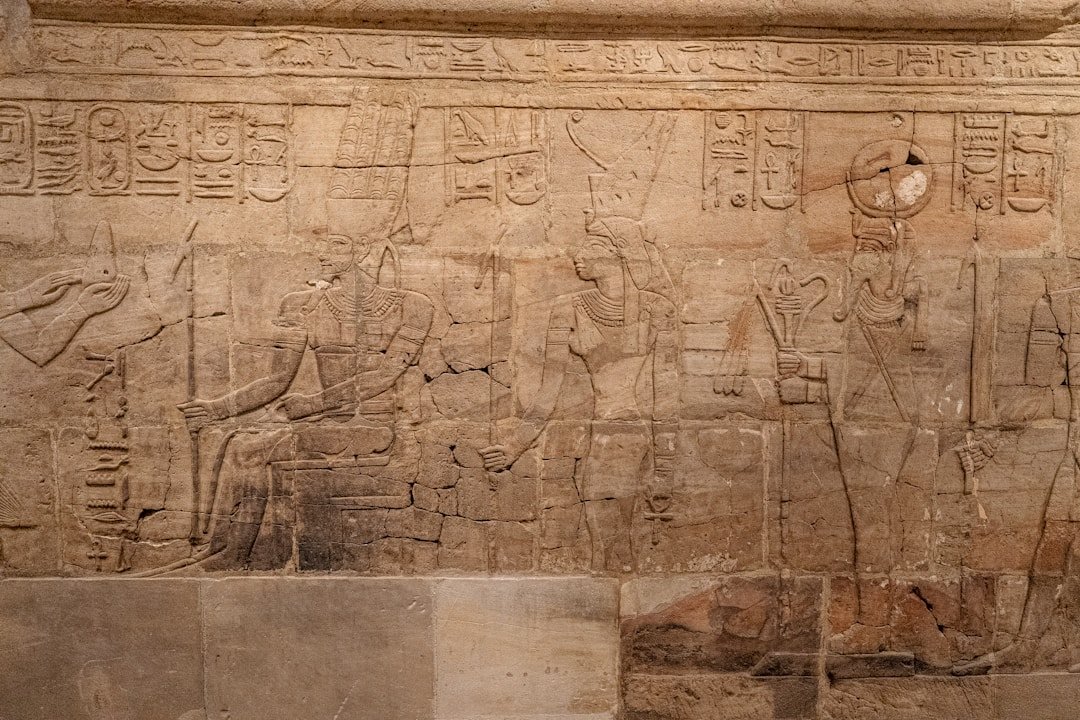
The walls preserve scenes from Hatshepsut’s reign, including the expedition to Punt, religious ceremonies, royal imagery, and scenes connected with her divine birth narrative.
The temple therefore served several purposes at once. It was a religious complex, a mortuary monument, a statement of royal authority, and a permanent record of Hatshepsut’s achievements.
The scale of the project also demonstrates the organizational abilities of the Egyptian state during her reign. Quarrying stone, transporting it, shaping enormous architectural elements, and coordinating skilled craftsmen required a highly organized administration.
Senenmut, one of Hatshepsut’s most important officials, is closely associated with the project. His exact role in the architectural design and construction, however, remains a subject of scholarly discussion.
Hatshepsut’s Other Monuments and Legacy
Deir el-Bahari was not Hatshepsut’s only major building project.
She also sponsored construction and restoration at Karnak and other important religious centers.
Her association with the great obelisks of Karnak is particularly famous. One of the obelisks commissioned during her reign remains standing today and provides a remarkable physical connection with her time as ruler.
These monuments were much more than decoration.
In ancient Egypt, temples and monuments were deeply connected with religious life and royal legitimacy. Building was therefore an important expression of kingship.
Every inscription, relief, column, and obelisk could reinforce the relationship between the pharaoh, the gods, and the Egyptian state.
Hatshepsut’s monuments repeatedly present her as a legitimate ruler whose authority was connected with the divine order.
How Did Hatshepsut Become Pharaoh?
Hatshepsut’s rise raises one of the most fascinating questions in ancient Egyptian history:
How could a woman become pharaoh in a society where kingship was normally represented as male?
The answer was not simply that Egyptian society suddenly abandoned its traditional ideas about kingship.
Instead, Hatshepsut worked within the existing political and religious system.
She adopted royal titles, used traditional symbols of kingship, commissioned monumental architecture, and presented her authority as divinely sanctioned.
Her inscriptions connected her rule with Amun, one of the most important gods of New Kingdom Egypt.
In some representations, Hatshepsut appears with feminine features and titles. In others, she appears according to the conventional visual formula of a male king.
This apparent contradiction is one of the most interesting aspects of her reign.
Hatshepsut was using the established visual language of Egyptian kingship to communicate her political position and legitimacy.
Hatshepsut and Thutmose III
Hatshepsut’s relationship with Thutmose III has generated considerable debate among historians.
Thutmose III was the legitimate heir through his father, Thutmose II. During Hatshepsut’s rise, he remained part of the royal system and eventually became sole ruler after her death.
For many years, historians presented their relationship as a dramatic struggle between an ambitious stepmother and a frustrated young king.
Modern scholarship has produced a more complicated picture.
Hatshepsut and Thutmose III appear together in monuments, and the surviving evidence does not provide a simple story of constant conflict between them.
After Hatshepsut’s death, Thutmose III became sole ruler and later conducted military campaigns that greatly expanded Egyptian influence.
Some of Hatshepsut’s statues, names, and royal images were subsequently damaged, removed, or replaced.
This destruction has often been interpreted as an attempt to erase Hatshepsut from history. However, the evidence is more complicated than that explanation suggests.
The damage was not uniform, and Hatshepsut’s memory was not completely removed from the historical record. Egyptologists continue to debate the timing, motives, and extent of the changes made to her monuments.
What can be said with confidence is that significant alterations took place after her death, while the reasons behind every act of destruction cannot be established with certainty.
Senenmut and Hatshepsut
Senenmut was one of the most prominent officials of Hatshepsut’s reign.
His rise was remarkable because he did not belong to the royal family. Under Hatshepsut, however, he accumulated important titles and responsibilities.
He served as an administrator and was closely associated with the royal household. He is also strongly connected with several major building projects from Hatshepsut’s reign.
His unusual prominence has generated one of ancient Egypt’s enduring historical mysteries.
Some modern writers have suggested that Hatshepsut and Senenmut may have had a romantic relationship. However, there is no conclusive contemporary evidence proving that they were lovers.
What the surviving evidence does establish is that Senenmut enjoyed exceptional access to royal power and played an important role in the administration of Hatshepsut’s government.
His story demonstrates how an individual of non-royal birth could rise to an extraordinarily influential position within the Egyptian state.
Hatshepsut’s Death and Tomb
Hatshepsut died around 1458 BCE after approximately two decades of rule.
Her burial was associated with the Valley of the Kings, reflecting her position as a ruler who had adopted the full role of king.
Her tomb, KV20, was developed during the period of her rise to royal power and became one of the important early royal tombs in the Valley.
Her mortuary temple at Deir el-Bahari provided the setting for religious rituals connected with her continued existence in the afterlife.
Her death marked the beginning of a new phase in Egyptian history.
Thutmose III eventually ruled alone and became one of the most prominent military rulers of the New Kingdom.
The contrast between the two reigns is striking. Hatshepsut’s monuments emphasize trade, religion, administration, and construction, while Thutmose III became famous for military campaigns and imperial expansion.
Visiting Hatshepsut’s Temple in Luxor
For travelers visiting Egypt, Hatshepsut’s story becomes even more powerful when experienced at Deir el-Bahari itself.
The Temple of Hatshepsut is located on Luxor’s west bank, close to some of the most important archaeological sites of the ancient Theban necropolis.
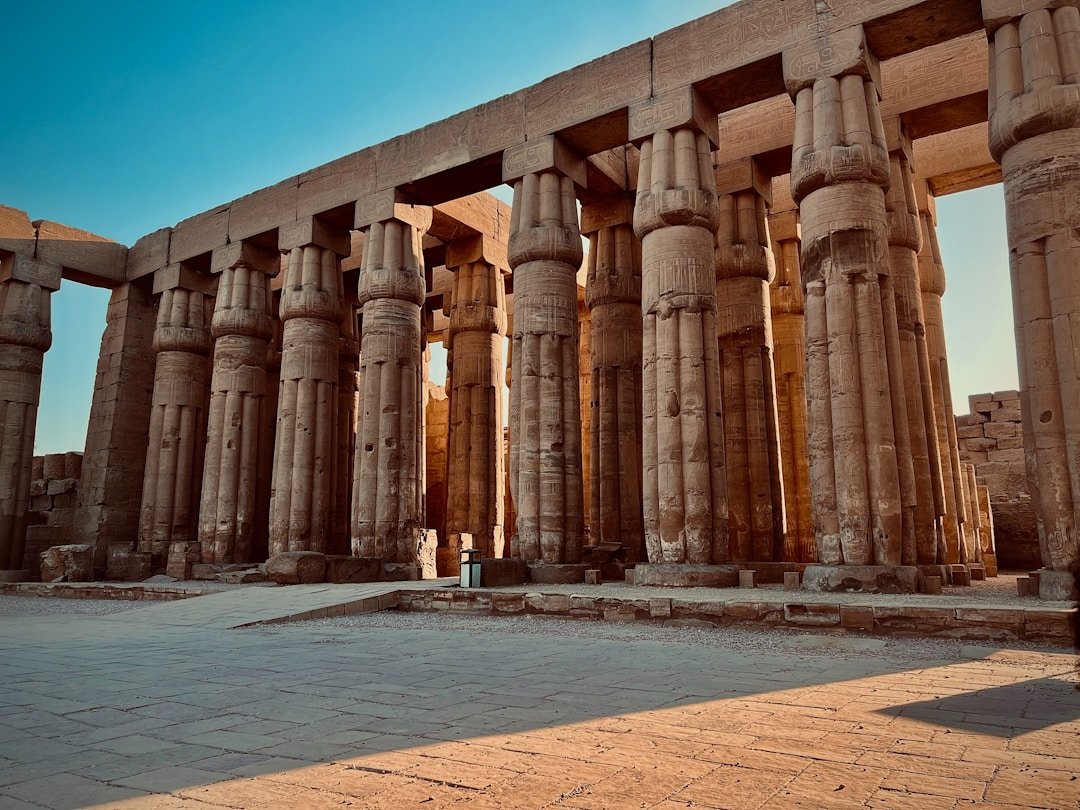
Visitors can explore the temple’s terraces, colonnades, inscriptions, and surviving reliefs while looking directly toward the limestone cliffs that form its dramatic backdrop.
The temple can also be combined with other major Luxor attractions, including the Valley of the Kings and other monuments on the west bank.
For travelers planning a longer stay, choosing accommodation in Luxor makes it easier to explore these archaeological sites at a comfortable pace.
Planning to visit Hatshepsut’s Temple and the ancient monuments of Luxor? Explore our Luxor Hotels and Villas & Apartments options before your trip.
Why Hatshepsut Still Matters
Hatshepsut’s importance is not simply that she was a woman who became pharaoh.
Her historical significance comes from the way she used the institutions of Egyptian kingship to build and maintain authority.
She understood the importance of monuments. She understood the power of religious symbolism. She used international trade as an important part of her royal image. And she understood that a ruler’s story could be preserved in stone.
Her temple at Deir el-Bahari remains one of the clearest examples of this strategy.
More than three thousand years later, visitors can still walk through the spaces she commissioned and see the images that recorded the story of her reign.
Her reign represents a distinct chapter of New Kingdom Egypt in which architecture, commerce, religion, administration, and royal authority came together in a particularly memorable way.
Frequently Asked Questions About Hatshepsut
Was Hatshepsut a real pharaoh?
Yes. Hatshepsut adopted the titles and regalia of a king and was represented as pharaoh in official monuments during her joint rule with Thutmose III.
How long did Hatshepsut rule Egypt?
Hatshepsut ruled for roughly two decades. Her reign is generally dated to approximately 1479–1458 BCE, although the chronology of her transition from regent to king is discussed by Egyptologists.
Why did Hatshepsut become pharaoh?
After the death of Thutmose II, Hatshepsut became regent for the young Thutmose III. During the later part of this period, she adopted the royal titulary and imagery of a king and became the senior ruler.
What was the Land of Punt?
Punt was a trading region known to ancient Egyptians for valuable products such as myrrh, incense, ivory, ebony, and other goods. Its exact location remains debated, but it is generally associated with the southern Red Sea and Horn of Africa region.
Where is Hatshepsut’s temple?
Hatshepsut’s mortuary temple is located at Deir el-Bahari on the west bank of the Nile in Luxor, Egypt.
Can you visit Hatshepsut’s Temple today?
Yes. The Temple of Hatshepsut at Deir el-Bahari is one of Luxor’s major archaeological attractions and is visited by travelers exploring the west bank.
What happened to Hatshepsut after her death?
After Hatshepsut’s death, Thutmose III became sole ruler. Later, some of Hatshepsut’s statues, names, and royal images were damaged, removed, or replaced. Historians continue to debate the exact motives and chronology of these changes.
Who was Senenmut?
Senenmut was a high-ranking official closely associated with Hatshepsut. He held important administrative positions and is strongly connected with major building projects during her reign.
Where was Hatshepsut buried?
Hatshepsut’s royal tomb is KV20 in the Valley of the Kings. The tomb was developed during the period of her rise to royal power.
PREMIUM BOOKING
Plan Your Egypt Journey
From comfortable hotels and private stays to unforgettable Luxor experiences, start planning your Egypt adventure.
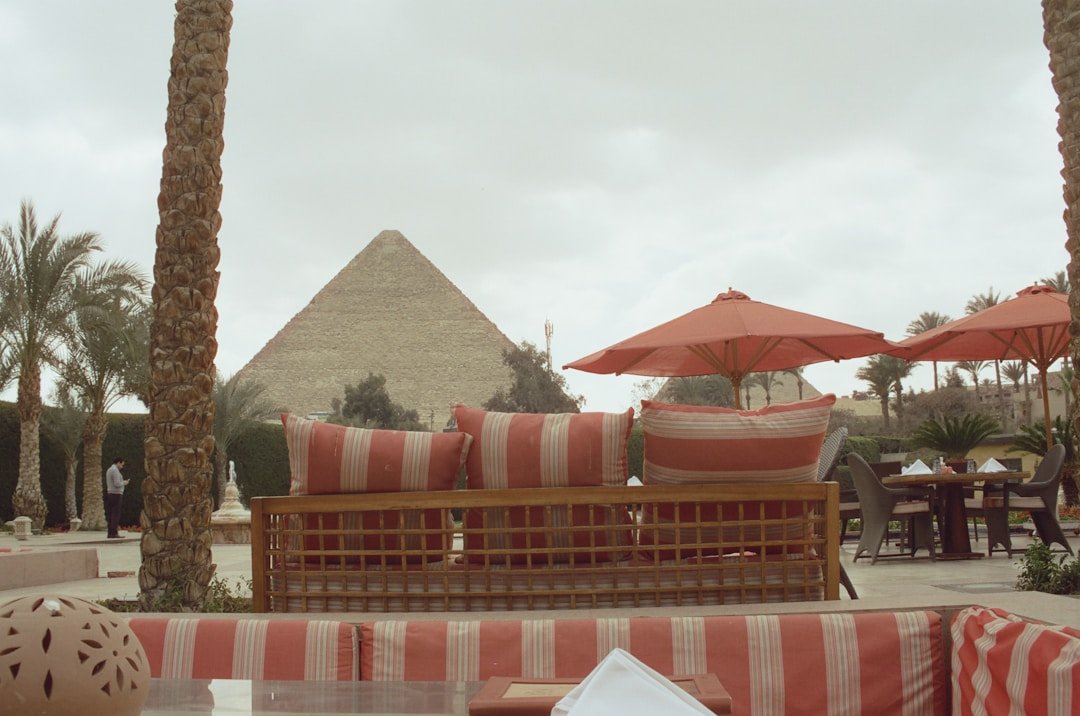
Egypt Hotels
Stay in carefully selected hotels across Egypt, from major cities to historic destinations.
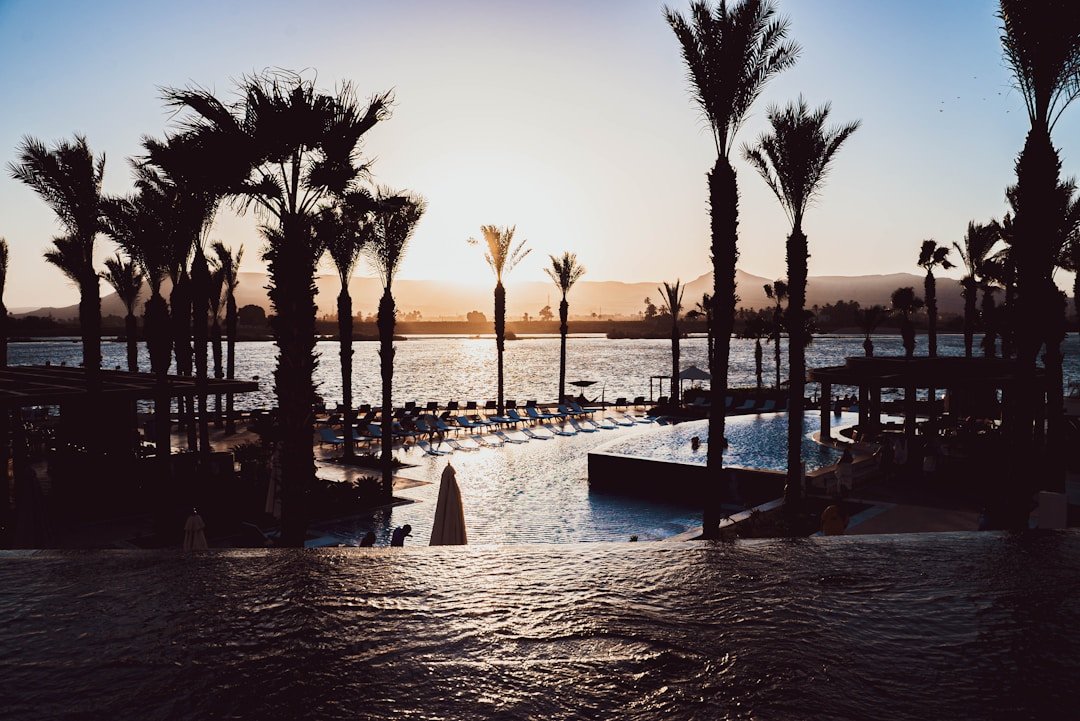
Luxor Hotels
Find comfortable stays close to Luxor’s temples, museums and the Nile.
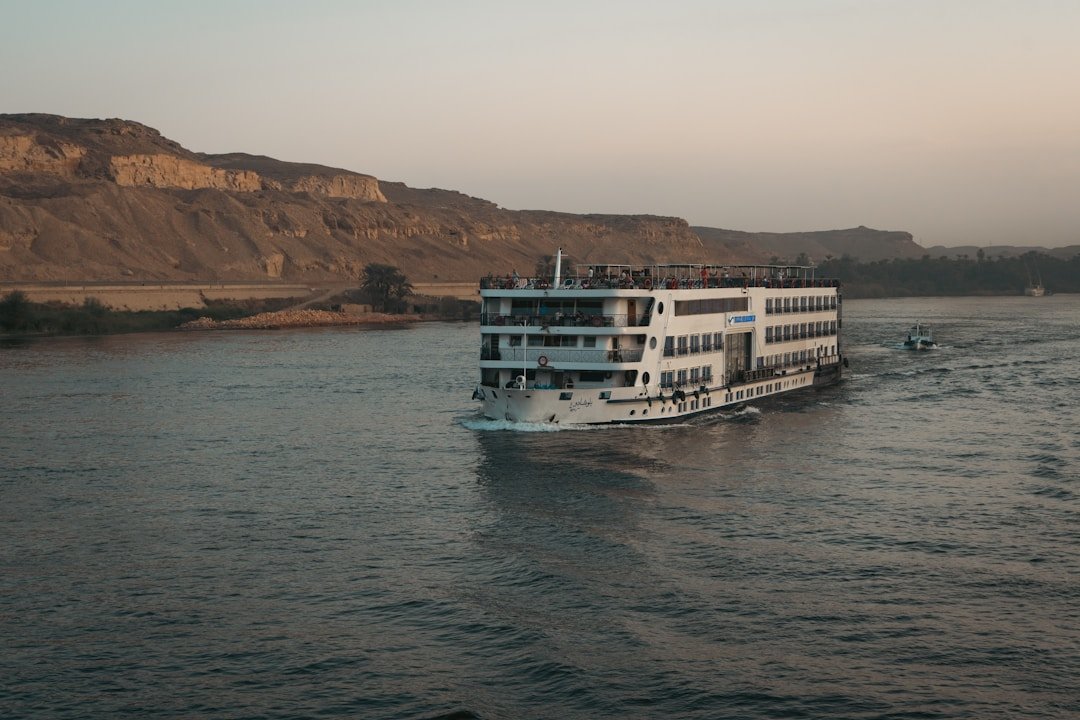
Nile Cruises
Discover Egypt from the Nile with memorable cruise experiences between historic cities.
Egypt Tours
Explore Egypt with thoughtfully planned tours covering its most iconic places.
Private Egypt Tours
Travel at your own pace with private experiences designed around your Egypt journey.
Luxor Tours
Explore the temples, tombs and ancient landscapes of Luxor with focused tours.

Egypt Travel Experiences
Add memorable local experiences to your Egypt itinerary beyond the major monuments.
Local Egypt Guides
Connect with local guides for richer stories, context and personalized sightseeing.
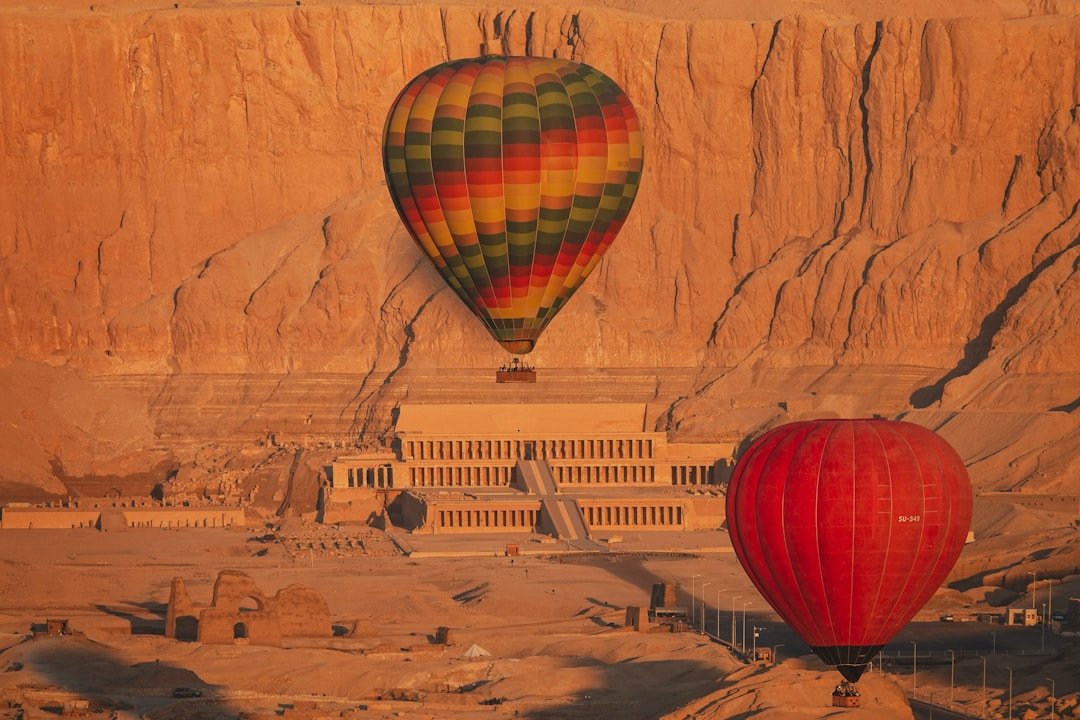
Hot Air Balloon Luxor
See Luxor’s ancient landscape from above on an unforgettable sunrise flight.

Villas & Apartments in Luxor
Choose a more private stay with villas and apartments suited to longer visits.
Pingback: Valley of the Kings: Royal Tombs of the New Kingdom - egyptsaga.com
Pingback: Temple of Hatshepsut at Deir el-Bahari: History, Architecture & How to Visit - egyptsaga.com