
Ramses III is often remembered as the last pharaoh to rule Egypt with the power and ambition associated with the great kings of the New Kingdom. His reign was marked by invasions, economic pressure, ambitious building projects, religious ceremonies, and a royal household that eventually became the center of a deadly conspiracy. Yet his story is more than a tale of decline. Ramses III inherited a kingdom facing serious challenges and spent more than three decades trying to preserve the political and religious order that had made Egypt one of the ancient world’s great powers.
To understand Ramses III, it helps to place him within the wider history of Egypt’s New Kingdom. He ruled during the early 12th century BCE, several generations after the reigns of Seti I and Ramesses II. By his time, the great age of imperial expansion was fading, but the pharaoh still commanded armies, controlled enormous temple estates, and presented himself as the guardian of Egypt’s relationship with the gods.
A Pharaoh Inherits a Kingdom Under Pressure
Ramses III came to the throne around 1186 BCE, at a moment when the eastern Mediterranean was being transformed by warfare and migration. Egypt still possessed considerable resources, but the international system that had supported the wealth of the New Kingdom was becoming unstable. Trade networks were disrupted, foreign powers were weakened, and groups later remembered collectively as the Sea Peoples moved through the region.
Ramses III’s reign therefore began with a difficult task: defend Egypt while preserving the institutions of kingship. Like other rulers described in the history of Egypt’s pharaohs, he presented military success and religious legitimacy as two parts of the same royal responsibility. The king was expected to defeat chaos abroad and maintain ma’at, the principle of order and balance, at home.
Defending Egypt Against the Sea Peoples
The First Major Threat
One of the defining events of Ramses III’s reign was Egypt’s confrontation with migrating and invading groups associated with the Sea Peoples. Ancient inscriptions describe a broad movement of peoples that had already contributed to the destruction or weakening of several eastern Mediterranean kingdoms. Ramses III portrays the crisis as an existential threat to Egypt.
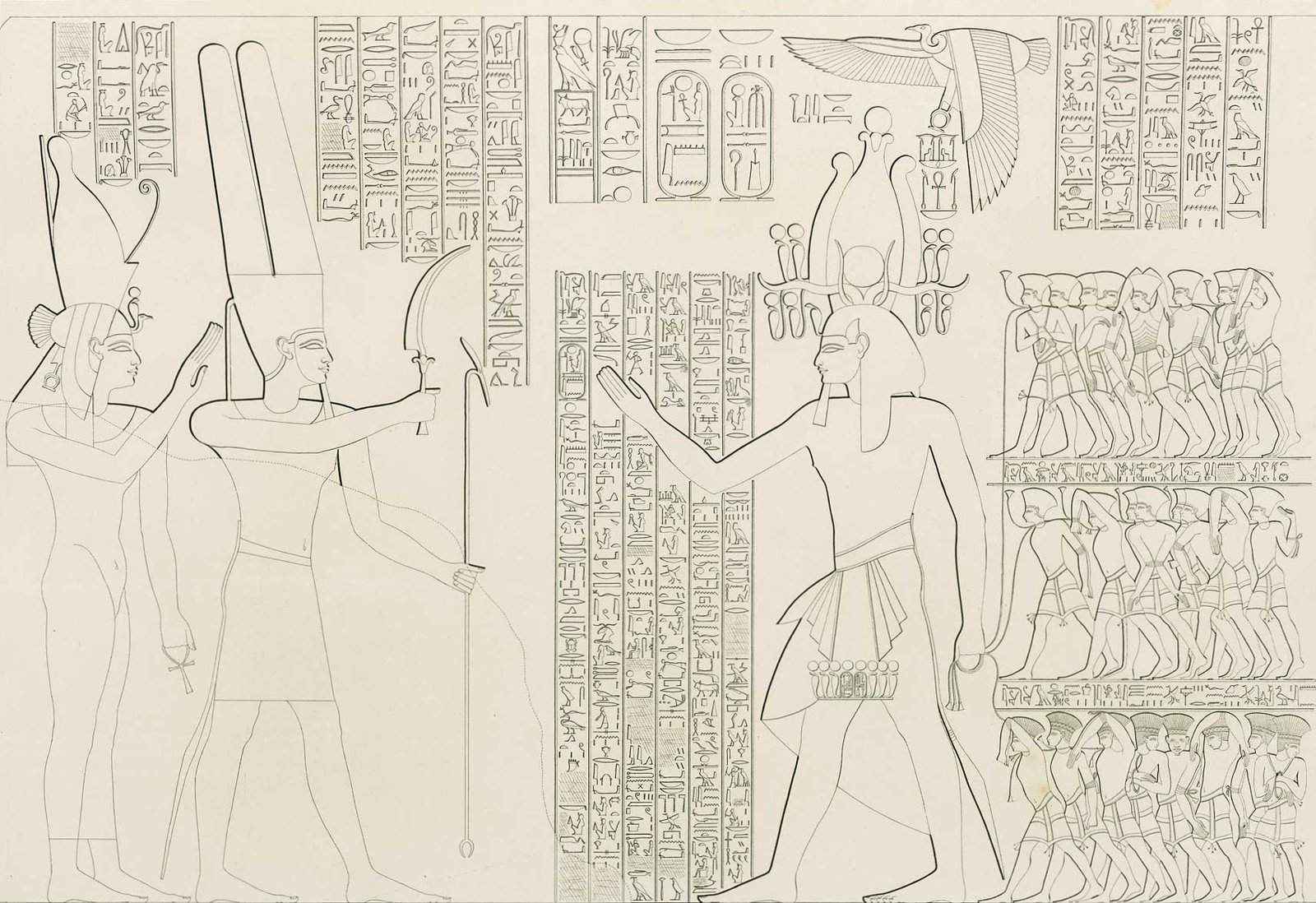
His forces fought the invaders on land and at sea. Egyptian sources describe a naval battle in which enemy ships were drawn into a carefully prepared confrontation. The surviving reliefs and inscriptions at Medinet Habu celebrate the victory in dramatic terms, showing the pharaoh as the protector of Egypt. Although modern historians debate the exact identity and movements of the groups involved, there is little doubt that Ramses III faced a major regional crisis and successfully prevented it from destroying Egypt.
Wars in Libya and the Levant
The Sea Peoples were not the only danger. Ramses III also fought Libyan groups threatening Egypt’s western frontier. His campaigns followed a long-standing pattern in which Egyptian rulers defended the Nile Valley from incursions across the desert margins.
These wars mattered because Egypt’s security depended on more than controlling the Nile. The pharaoh had to protect agricultural communities, trade routes, temples, and strategic approaches to the country. Military victories allowed Ramses III to claim that Egypt remained strong even as the wider Bronze Age world entered a period of upheaval.
Medinet Habu: The Monument of a Reign
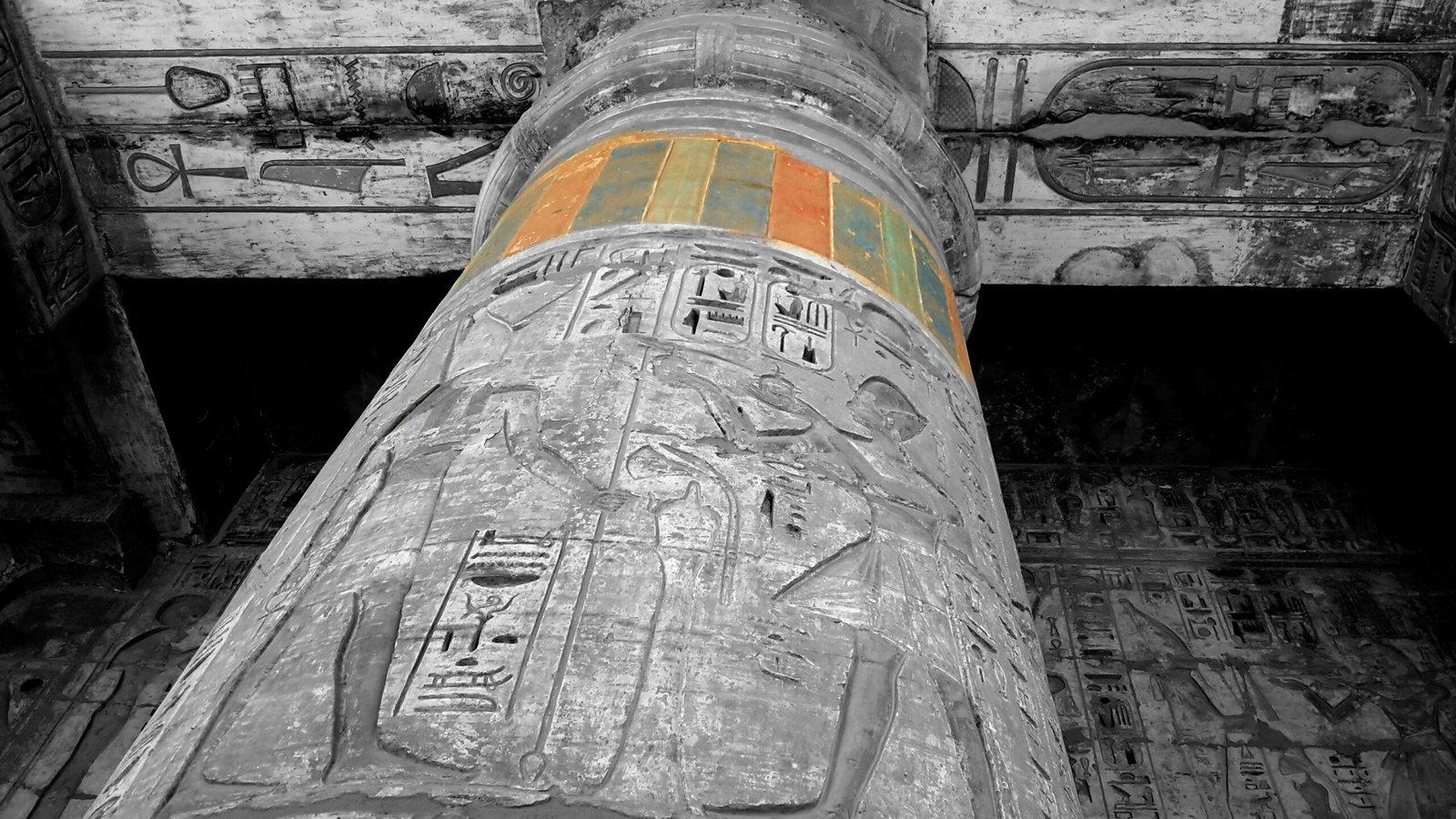
Ramses III’s most famous architectural legacy is the great mortuary temple at Medinet Habu on the west bank of ancient Thebes. The complex is one of the most important surviving monuments for understanding the late New Kingdom because its walls preserve extensive inscriptions and reliefs connected with the king’s reign.
The temple served a religious purpose, but it also functioned as a statement of royal authority. Scenes of battles, captured enemies, offerings, processions, and ceremonies transformed the walls into a permanent record of the king’s relationship with the gods and his victories over Egypt’s enemies. For visitors exploring Egypt’s wider collection of temples and sacred places, Medinet Habu offers an unusually detailed view of how religion, politics, warfare, and royal propaganda could exist within a single monumental complex.
Building Beyond Medinet Habu
Ramses III also contributed to temples and religious monuments elsewhere in Egypt. Construction under his reign was part of a broader effort to maintain the traditional religious system, even as the state faced growing financial difficulties. Temples were not simply places of worship; they were economic institutions with land, workers, priests, workshops, and storehouses.
His building program reflects a central feature of pharaonic kingship. A successful ruler was expected to build for the gods, restore sacred places, provide offerings, and leave physical evidence of his reign. Ramses III followed that tradition on a large scale, helping preserve the monumental landscape that defines much of ancient Egypt today.
Ramses III and the Religious World of Egypt
Religion was inseparable from Ramses III’s political identity. The pharaoh was understood not merely as a political ruler but as a crucial intermediary between humanity and the divine world. Rituals, offerings, festivals, and temple construction reinforced the idea that the king was responsible for maintaining cosmic order.
Ramses III’s inscriptions repeatedly connect his victories to divine support. The gods are presented as protecting Egypt, while the king acts as their chosen defender. This language was traditional, but it became especially important during a period when the country was under pressure.
The religious institutions supported by the king also reveal an important economic reality. Large temple estates required substantial resources, and by the later years of the reign the state struggled to meet some obligations. The famous workers’ strike at Deir el-Medina, recorded in documents from the period, is an important sign of these pressures. The workers complained that rations had not arrived on time, revealing a level of administrative and economic strain that royal inscriptions did not emphasize.
Family, Succession, and the Harem Conspiracy
Ramses III had a large royal family, as was common among New Kingdom kings. Several wives and numerous children were part of the royal household, and succession was therefore a major political concern. His sons included several princes who could potentially inherit the throne.
The most dramatic episode in the final years of his reign was the so-called Harem Conspiracy. A group within the palace, apparently including one of Ramses III’s wives, Tiye, sought to place her son Pentawere on the throne instead of the designated heir. The conspiracy involved officials, members of the royal household, and others who hoped to exploit the tensions surrounding succession.
Ancient documents indicate that the plot was discovered and that a series of trials followed. Ramses III’s death is also connected by modern examination of his mummy with a severe injury to the throat. The evidence has made his final days one of the most closely studied episodes in Egyptian royal history. The surviving records, however, remind us that the ancient sources were produced within a judicial and royal context, so some details remain open to interpretation.
The Mummy of Ramses III
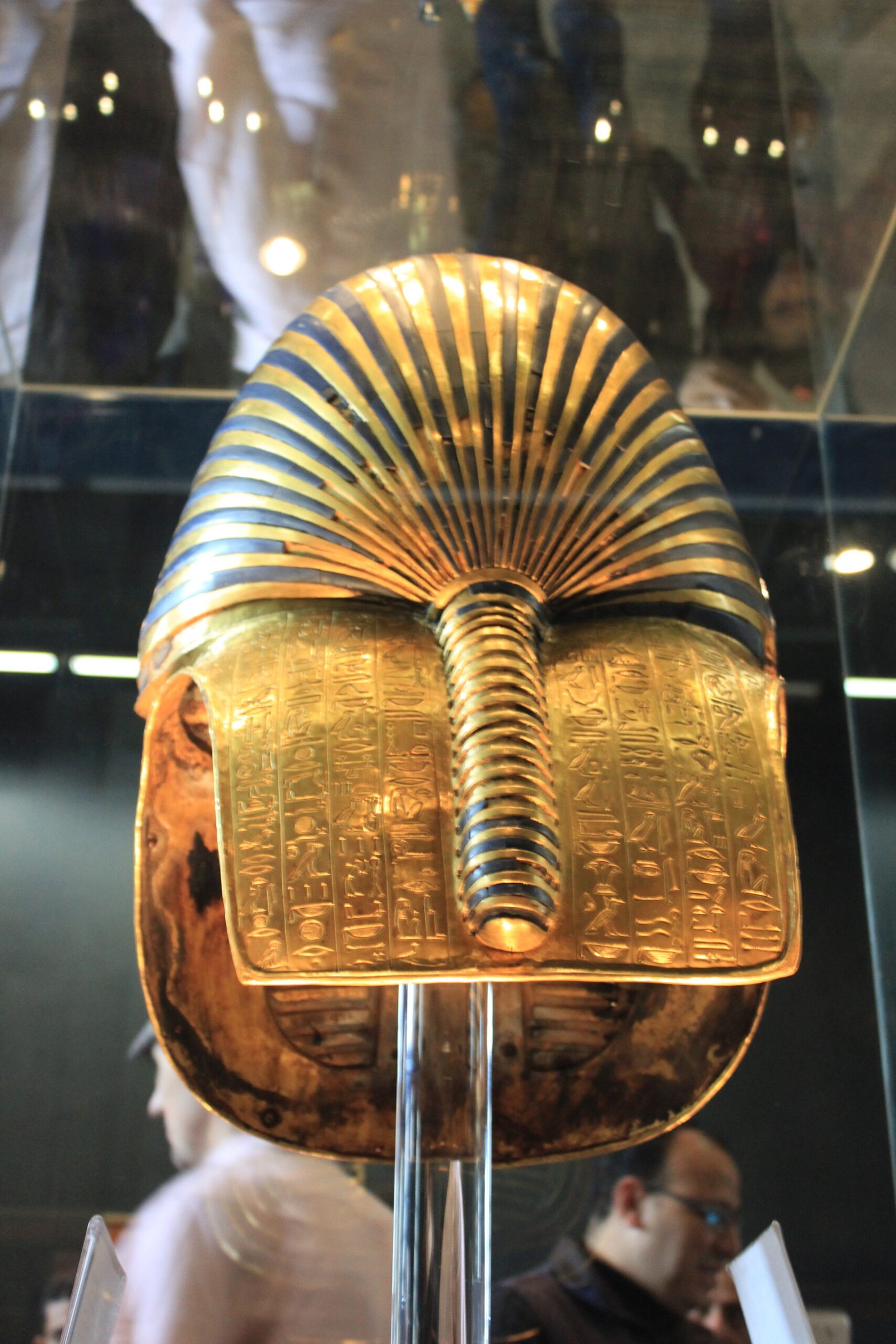
The discovery and modern examination of Ramses III’s remains have added another dimension to his story. His mummy was preserved through the traditional Egyptian funerary process, allowing modern researchers to investigate aspects of his physical condition and death thousands of years later.
For those interested in how ancient Egyptians prepared their dead and understood the journey into the afterlife, EgyptSaga’s guide to Egyptian mummies provides a broader context. Ramses III’s remains demonstrate how royal burial practices could preserve not only the body but also clues about the political and social world in which the king lived.
The Last Great King?
Calling Ramses III the “last great king” of the New Kingdom is useful, but it should not be understood as meaning that Egypt suddenly ceased to matter after his death. Later rulers continued the pharaonic tradition, and Egypt remained an important civilization for centuries.
The significance of Ramses III is that his reign stands near the end of an era in which the pharaoh could still mobilize large armies, sponsor monumental construction, command enormous religious institutions, and present Egypt as a major international power. After his death, political authority became increasingly fragmented, economic difficulties deepened, and the balance between the royal court and powerful temple institutions changed.
His reign therefore represents both achievement and warning. Ramses III successfully defended Egypt from serious external threats and left one of the country’s great surviving monuments. At the same time, the workers’ strike, palace conspiracy, and succession crisis reveal the internal pressures that were becoming harder for the state to manage.
Ramses III’s Historical Legacy
More than three thousand years later, Ramses III remains one of the most compelling rulers of ancient Egypt because his reign captures a civilization at a turning point. He was a warrior king, temple builder, religious patron, husband, father, and political leader whose authority was tested both by enemies outside Egypt and by conflict within the royal household.
His monuments also preserve an unusually rich record of the late New Kingdom. Medinet Habu allows historians and visitors to study military campaigns, religious ceremonies, royal imagery, and the language of kingship in remarkable detail. His mummy provides a rare physical connection to the individual behind the monumental image.
To place Ramses III within the longer story of Egyptian civilization, explore Ancient Egypt, then continue through the history of the New Kingdom and the wider world of Egypt’s pharaohs. Together, these subjects show why Ramses III’s reign was not simply the end of a dynasty’s glory, but one of the clearest windows into how Egypt confronted a changing ancient world.
EXPLORE MORE OF ANCIENT EGYPT
Egyptian Mummies
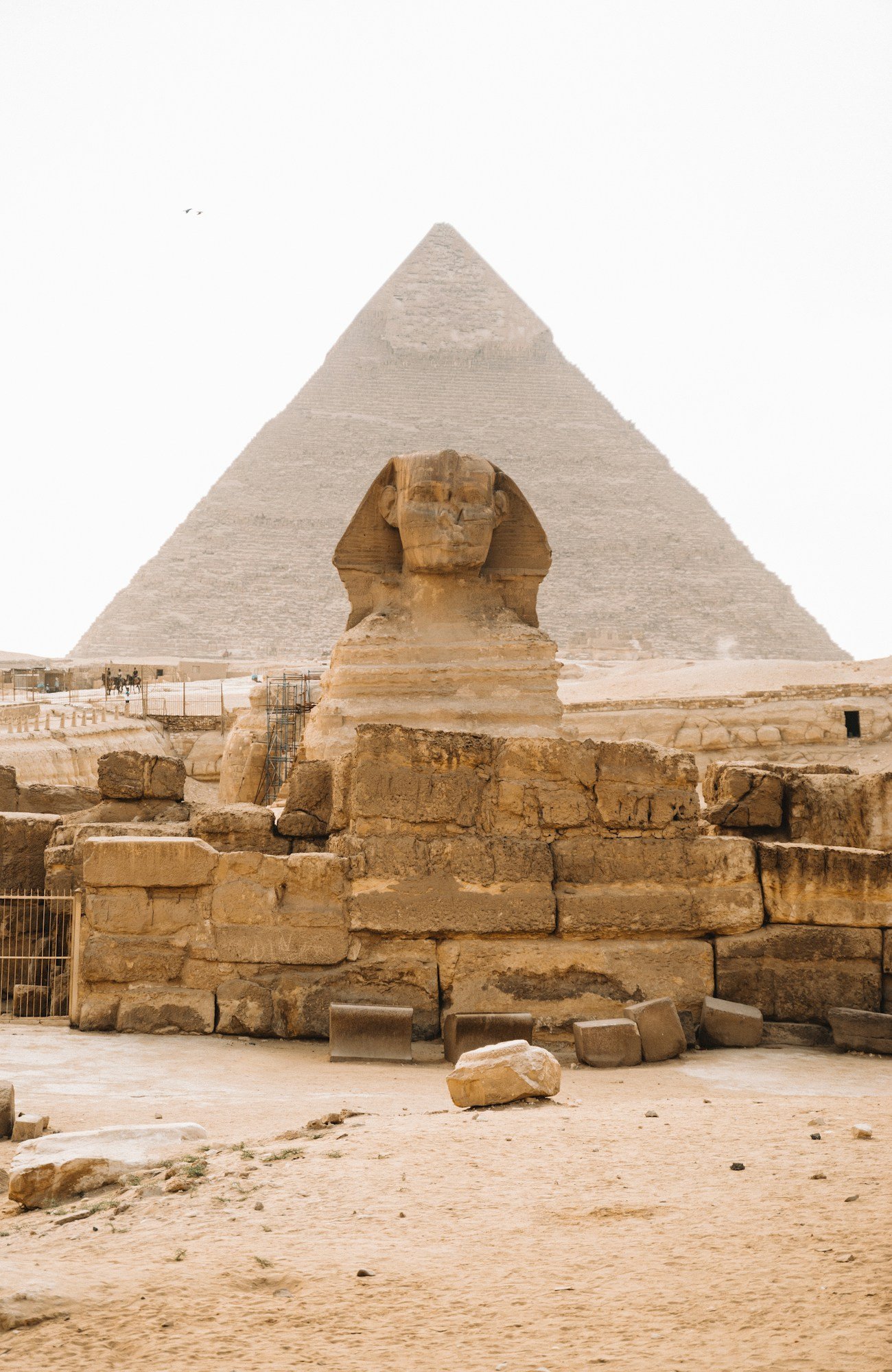
Explore the beliefs and practices surrounding ancient Egyptian mummies.
EXPLORE →Plan Your Egypt Journey
From luxury hotels and Nile cruises to private tours, local guides and unforgettable Luxor experiences, start planning your Egypt adventure.
Egypt Hotels
Stay in carefully selected hotels across Egypt, from major cities to historic destinations.
BOOK EGYPT HOTELS →
Luxor Hotels
Find comfortable stays close to Luxor’s temples, museums and the Nile.
BOOK LUXOR HOTELS →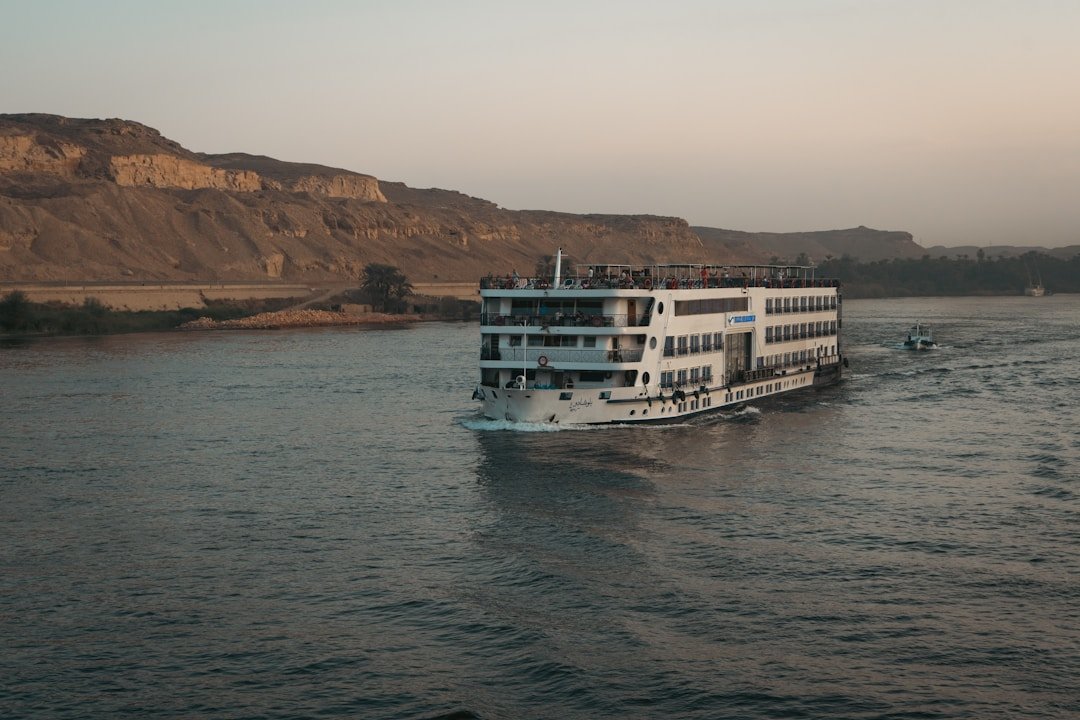
Nile Cruises
Discover Egypt from the Nile with memorable cruise experiences between historic cities.
BOOK NILE CRUISES →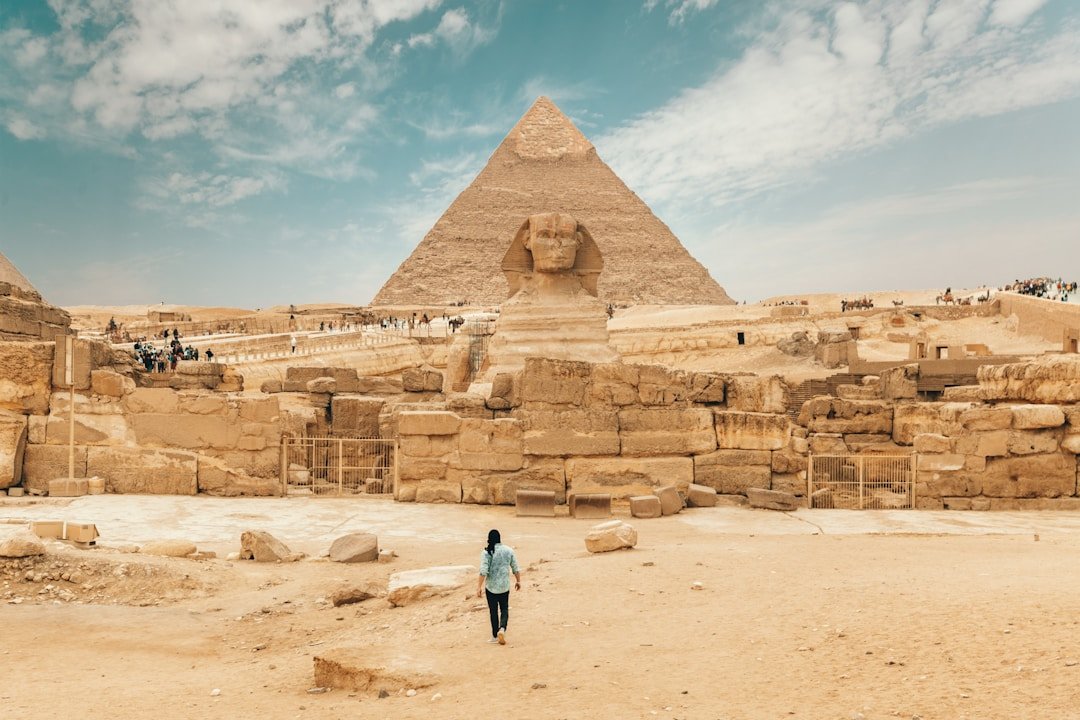
Egypt Tours
Explore Egypt with thoughtfully planned tours covering its most iconic places.
EXPLORE EGYPT TOURS →
Private Egypt Tours
Travel at your own pace with private experiences designed around your Egypt journey.
BOOK PRIVATE TOURS →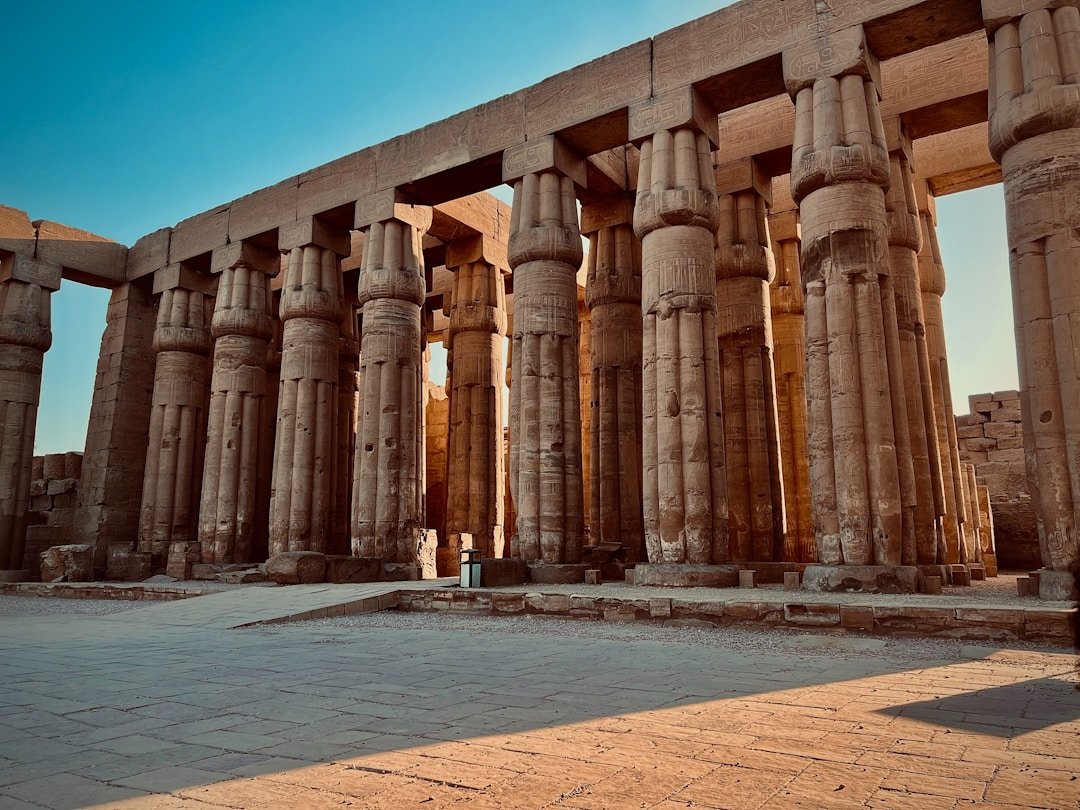
Luxor Tours
Explore the temples, tombs and ancient landscapes of Luxor with focused tours.
BOOK LUXOR TOURS →
Egypt Travel Experiences
Add memorable local experiences to your Egypt itinerary beyond the major monuments.
DISCOVER EXPERIENCES →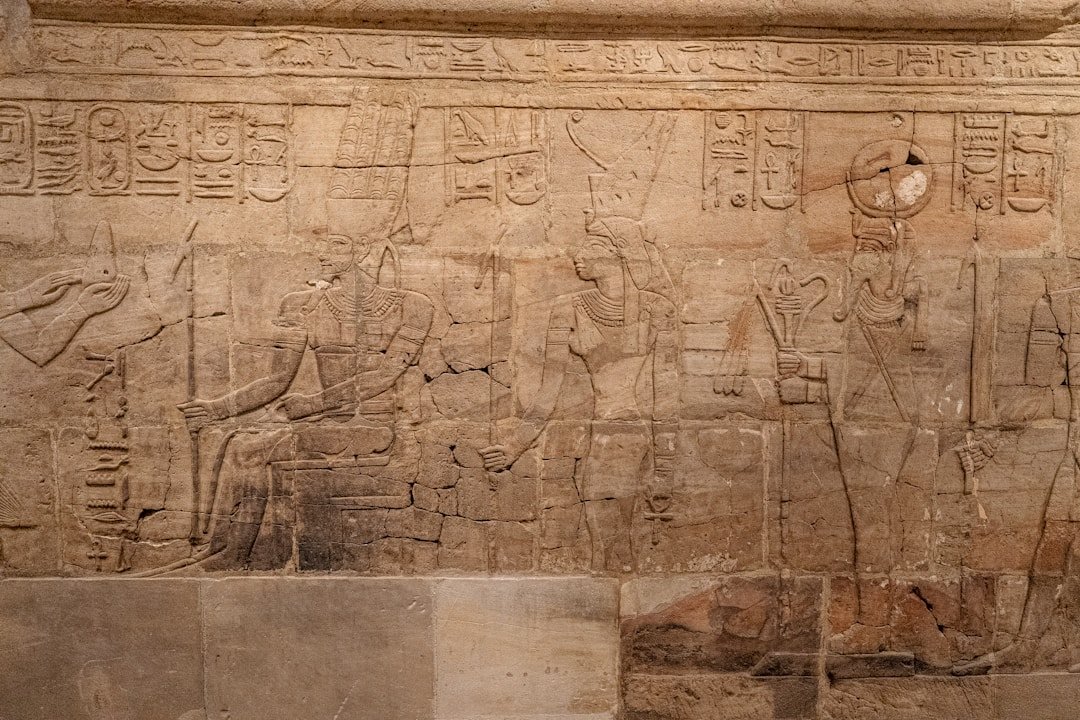
Local Egypt Guides
Connect with local guides for richer stories, context and personalized sightseeing.
BOOK A LOCAL GUIDE →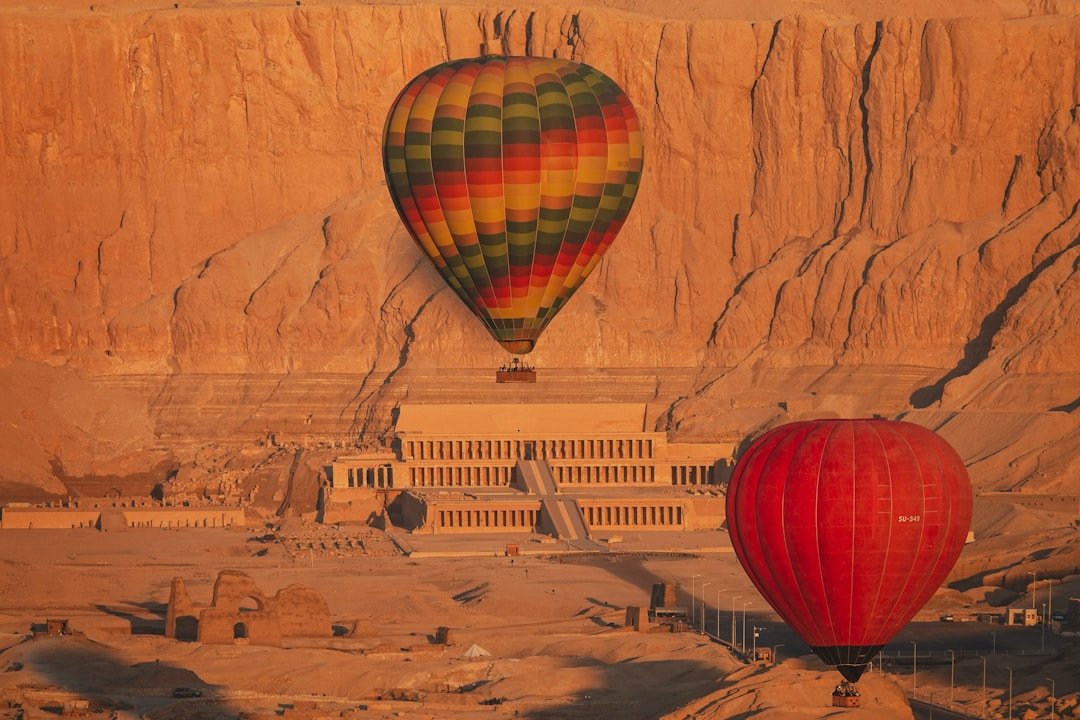
Hot Air Balloon Luxor
See Luxor’s ancient landscape from above on an unforgettable sunrise flight.
BOOK HOT AIR BALLOON →
Villas & Apartments in Luxor
Choose a more private stay with villas and apartments suited to longer visits.
BOOK VILLA OR APARTMENT →