The Great Pyramid of Giza: A Journey Beyond the Stone and Scale
There is a moment at the Great Pyramid when its size stops being the most interesting thing about it. You begin noticing the age of the stones, the precision of the structure, and the strange fact that this monument has watched entire civilizations change around it.
Built for King Khufu during Egypt’s Fourth Dynasty, the Great Pyramid originally rose about 146.5 metres and remained the tallest human-made structure in the world for roughly 3,800 years. It is also the only surviving monument of the Seven Wonders of the Ancient World.
Today, the pyramid is not simply a spectacular photograph. It is the surviving heart of a much larger royal landscape, and visiting it means stepping into one of the most important archaeological sites in Egypt. The closer you look, the more the monument reveals: its limestone casing, carefully planned chambers, surrounding temples, boat pits, and the enormous organization required to create it.
But the Great Pyramid is much more than a record of ancient engineering. It was the central monument of a royal funerary complex, built within a carefully organized landscape that included temples, causeways, subsidiary pyramids, tombs, and other structures.
Khufu and the idea of eternity
Why build something this enormous?
Khufu ruled during the Old Kingdom, when royal power, religion, and monumental construction were closely connected. His pyramid was designed as part of a much larger funerary system surrounding the king’s burial and the continuation of his mortuary cult.
Ancient Egyptian royal tombs were not simply places to hide a body. They belonged to a religious world concerned with the king’s transition into the afterlife and the continuation of his existence beyond death. The pyramid therefore had a purpose that was both physical and religious.
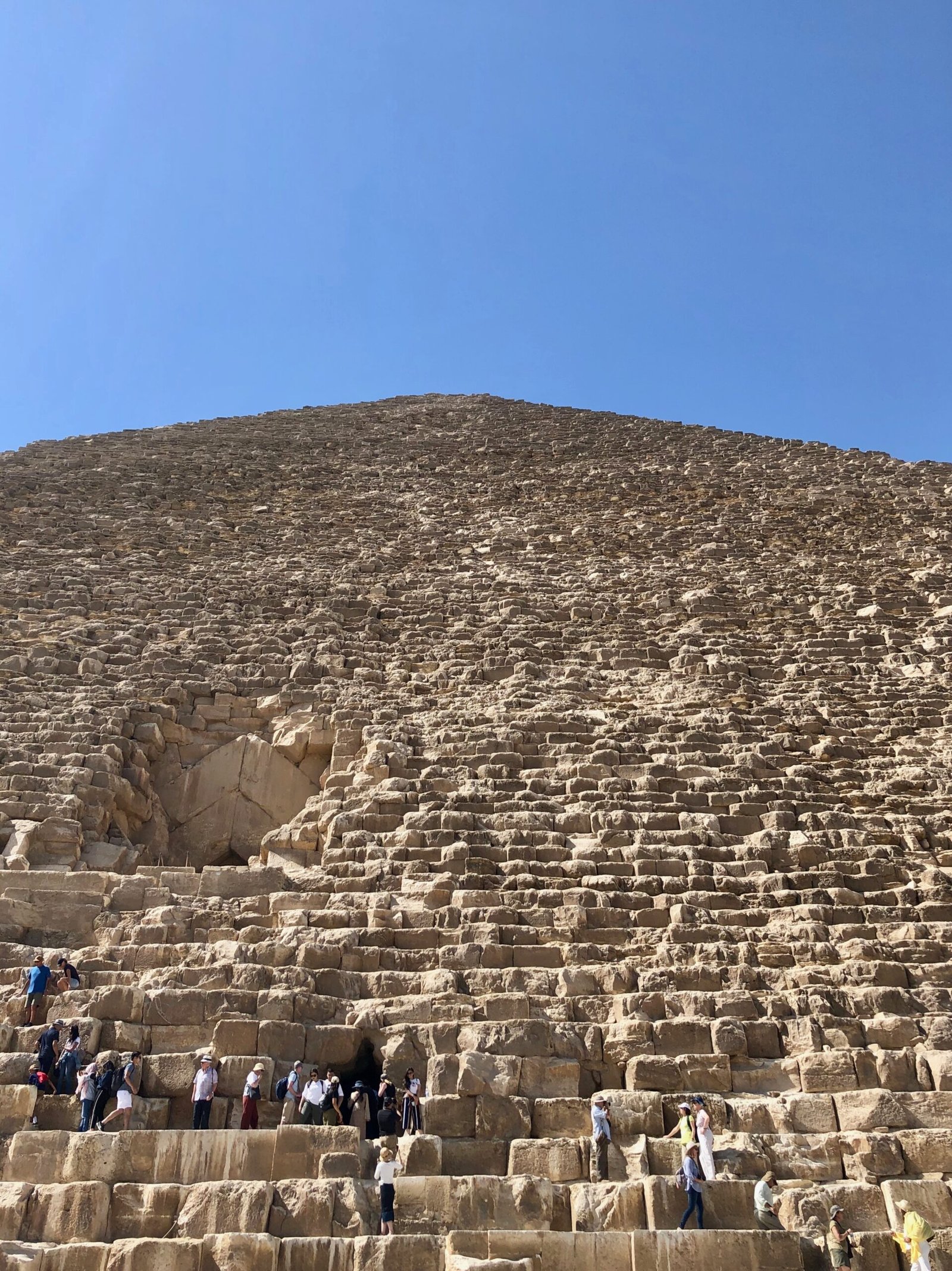
Its original outer surface was covered with fine white limestone brought from Tura. Much of that casing disappeared over later centuries, leaving the rougher core masonry exposed. The monument visitors see today is therefore not quite the pyramid that Khufu’s contemporaries would have seen.
The people behind the pyramid
Beyond the old image of pyramid slaves
The familiar image of thousands of enslaved people building the pyramids with little organization has lasted for generations. Archaeology has given us a considerably more complicated picture.
South of the Sphinx, excavations at Heit el-Ghurab uncovered a large settlement associated with the construction of the Giza pyramid complexes. The site included workshops, bakeries, storage areas, administrative spaces, and accommodation for people involved in the enormous project.
The evidence points to a highly organized workforce that included laborers, craftsmen, administrators, cooks, and managers. The settlement was not simply a temporary camp beside a construction site; it was an important part of the infrastructure that made monumental construction possible.
Food production was central to this system. Archaeologists have found evidence of large-scale grain storage and facilities connected with producing bread and beer, while animal remains provide clues about diet and provisioning.
That does not mean every worker lived an easy life. It means the old picture is too simple. The Great Pyramid was the product of an organized state capable of moving people, materials, food, and information on a remarkable scale.
How was the Great Pyramid built?
An answer archaeology still cannot reduce to one simple method
The basic materials are understood. Much of the pyramid was constructed from local limestone, while harder stone such as granite was used in important internal areas. Blocks had to be quarried, shaped, transported, raised, and accurately positioned.
The difficult part is reconstructing exactly how every stage was accomplished.
Archaeologists have proposed different ramp arrangements, hauling systems, lifting techniques, and logistical models. Evidence from Giza and other Old Kingdom sites helps narrow the possibilities, but no ancient construction manual survives to provide a complete answer.
The Egyptian Ministry of Tourism and Antiquities currently estimates that the Great Pyramid may have taken roughly ten to twenty years to build while acknowledging that the precise construction method remains uncertain.
That uncertainty should not weaken the story. In archaeology, knowing what remains unresolved is part of knowing the site.
Inside the Great Pyramid
The Grand Gallery and King’s Chamber
Outside, the pyramid is overwhelming. Inside, the experience becomes almost the opposite: narrow passages, changes in height, carefully engineered spaces, and the enormous weight of the structure pressing around you.
The pyramid contains three principal chambers: one cut into the bedrock below the monument and two positioned higher within the masonry. The upper chamber traditionally known as the King’s Chamber contains the granite sarcophagus associated with Khufu.
The King’s Chamber is reached through the Grand Gallery, a high ascending passage whose corbelled construction is one of the most striking architectural features inside the pyramid.
For visitors, entering the pyramid is physically different from walking around the plateau. Some passages are narrow and climbing is required, so anyone planning to go inside should expect a more demanding experience than the exterior visit.

The pyramid was never meant to stand alone
Understanding the wider Giza Plateau
One of the easiest mistakes is to think of the Great Pyramid as an isolated monument. It was one element within a carefully planned royal landscape.
The Giza Plateau contains the pyramids of Khufu, Khafre, and Menkaure, together with temples, causeways, subsidiary pyramids, mastaba tombs, boat burials, and other remains. Each royal pyramid belonged to a wider complex connected with burial and religious activity.
The pyramids of Egypt therefore make more sense when viewed as part of a developing architectural tradition rather than as three enormous structures appearing suddenly on the desert.
The Great Pyramid represents the high point of an Old Kingdom tradition that had already passed through several stages of experimentation. Earlier pyramids at Saqqara, Meidum and Dahshur reveal how Egyptian builders gradually developed the forms that culminated at Giza.
What the pyramid tells us about ancient Egypt
A monument built by a whole society
The Great Pyramid is often described as the achievement of Khufu, and that is appropriate in the context of ancient Egyptian kingship. But the physical monument also tells another story.
Behind the king stood quarry workers, stonecutters, boat crews, craftsmen, administrators, food producers, scribes, builders, and countless others whose names are mostly lost.
That is one reason the discovery of the pyramid builders’ settlement matters so much. It shifts attention away from the monument alone and toward the society that had to support it.
The pyramid is therefore both a royal monument and an enormous archaeological record of organization. It reveals what the Egyptian state could coordinate at the height of the Old Kingdom.
Visiting the Great Pyramid today
Give yourself time to see the plateau properly
The Great Pyramid stands within the Giza Plateau archaeological area west of modern Cairo. A visit is much more rewarding when you allow time to explore the wider site rather than treating the pyramid as a single photographic stop.
If you plan to enter the pyramid, check the latest ticket and access arrangements before travelling. The official Ministry of Tourism and Antiquities lists the Great Pyramid as requiring its own ticket in addition to the Giza Plateau area ticket, and the published fees and opening information can change, so use the official monument page for the latest details.
Early morning can be a comfortable choice, particularly during hotter months. The plateau is exposed, and shade is limited in many areas. Water, sun protection, and comfortable footwear are practical necessities rather than minor details. Allow enough time to walk between the major monuments rather than rushing from one viewpoint to another.
If you enter the Great Pyramid, expect a very different experience from the exterior. The route includes confined passages and climbing, and the interior can feel warm and physically demanding. The reward is not a collection of elaborate wall paintings; it is the chance to move through the original architecture and stand inside the King’s Chamber.
Try to see the wider plateau as well. Khafre’s pyramid, Menkaure’s pyramid, the Great Sphinx, temples, tombs and other remains make the site much more meaningful when understood as one royal landscape rather than a collection of separate attractions.
And leave room for a slower moment. The Great Pyramid has been photographed from almost every direction, but the monument itself is still more interesting than the perfect picture of it.
The Great Pyramid in the modern world
When the photograph becomes secondary
It is almost impossible to visit Giza without thinking about photography. The pyramid is one of the most recognizable structures on Earth, and modern cameras have turned its silhouette into a global symbol of Egypt.
Yet the most revealing details are often closer to the ground.
Look at the individual blocks. Notice the changes in their surfaces and the way the monument rises from the natural plateau. Then look back toward Cairo and the modern city beyond the archaeological landscape.
That contrast is part of what makes Giza so unusual. A monument created during the Old Kingdom now stands beside one of the world’s great modern urban areas.
Thousands of years separate those landscapes, yet they share the same horizon.
The Great Pyramid has survived changes in religion, language, political power, technology, and cities. Its builders could not have imagined the world surrounding it today, but the basic idea behind the monument remains surprisingly clear.
It was built for eternity.
And perhaps that is why standing beside it still feels different from seeing it on a screen. The stone has outlasted the people who placed it there.
Frequently Asked Questions About the Great Pyramid
Who built the Great Pyramid of Giza?
The Great Pyramid was built as the tomb of King Khufu of Egypt’s Fourth Dynasty. Archaeological evidence from Giza points to a large, organized workforce supported by food production, workshops, administration and transport rather than the simple image of a mass slave workforce.
Can you go inside the Great Pyramid?
Yes, when interior access is available. Entry requires a separate ticket from the general Giza Plateau admission, and the route is narrow, steep in places and physically demanding.
How tall was the Great Pyramid originally?
The original height was about 146.5 metres. Much of the fine outer limestone casing was later removed, which is why the pyramid looks different today from the monument that stood on the plateau in Khufu’s time.
How long did it take to build the Great Pyramid?
The exact construction period is not recorded. Egypt’s Ministry of Tourism and Antiquities currently gives an estimate of roughly 10 to 20 years, while the precise construction methods remain uncertain.
What should I see besides the Great Pyramid?
Give yourself time for the other two Giza pyramids, the Great Sphinx, the associated temples and causeways, and the surrounding tombs and archaeological remains. The plateau makes much more sense when experienced as one royal landscape.
What is the best way to plan a visit to Giza?
Start early when practical, check official ticket and access information before travelling, carry water and sun protection, and allow several hours rather than treating the Great Pyramid as a quick photo stop. If you want to enter the pyramid, plan around the physical demands of the interior route.
Explore More of Ancient Egypt

Plan Your Egypt Journey
A visit to Giza is easier to enjoy when accommodation, transport and the rest of your Egypt itinerary are planned around the places you want to see.
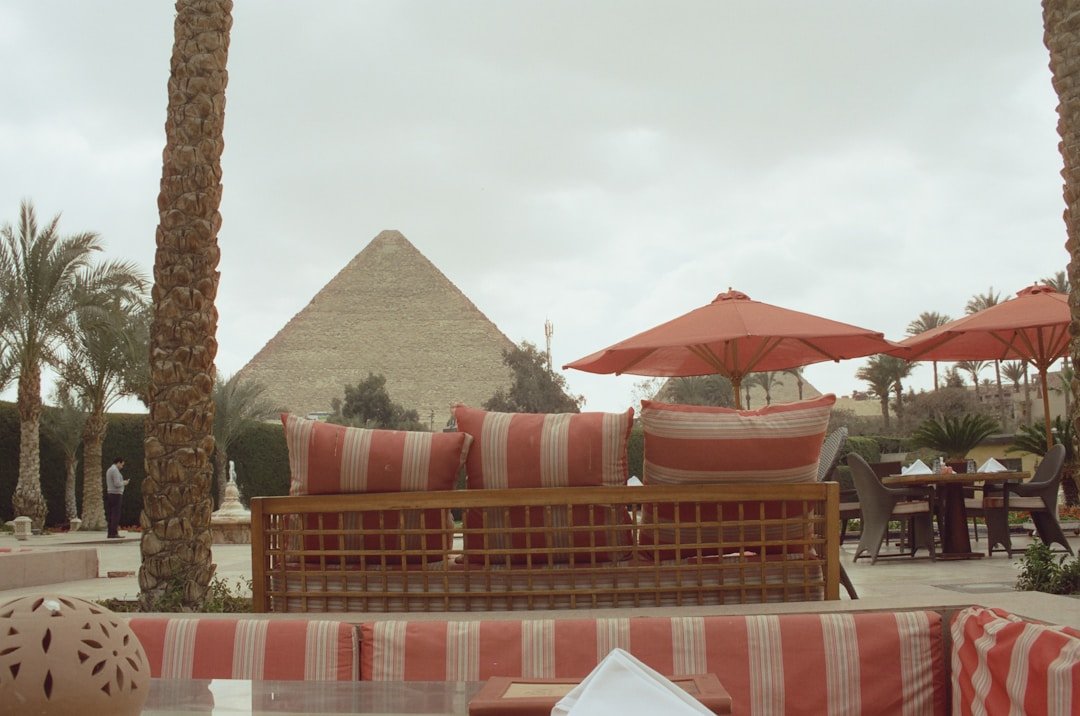
Egypt Hotels
Find accommodation across Egypt, from Cairo and Giza to historic destinations further south.
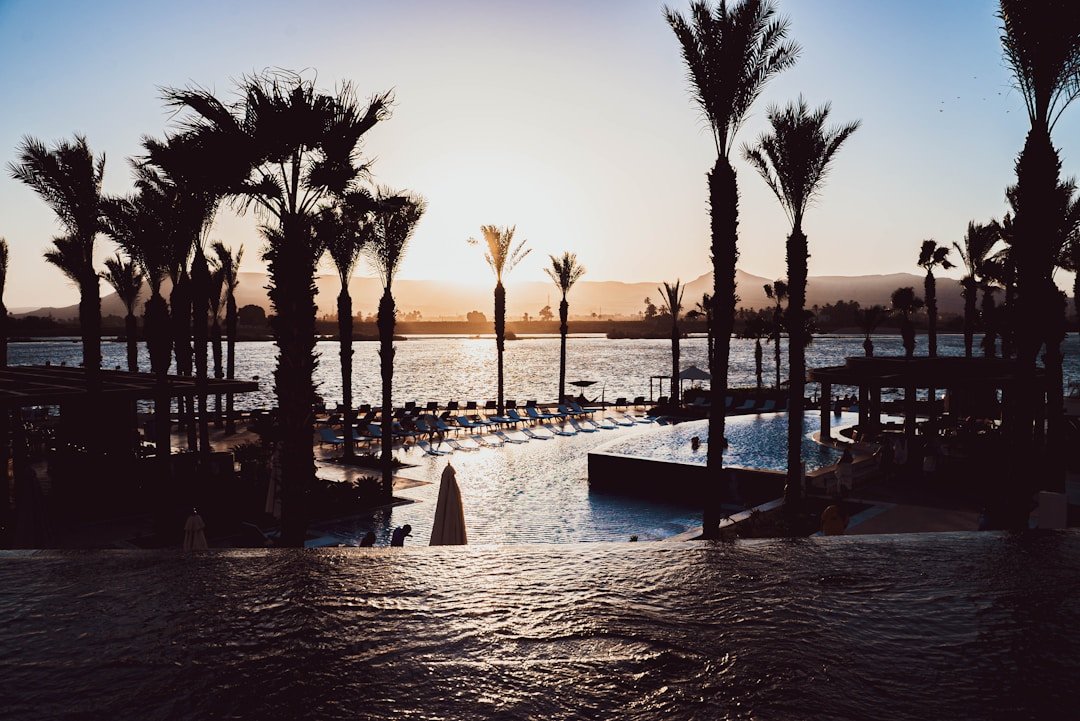
Luxor Hotels
Stay close to Luxor’s temples, museums, the Nile and the ancient landscapes of Thebes.
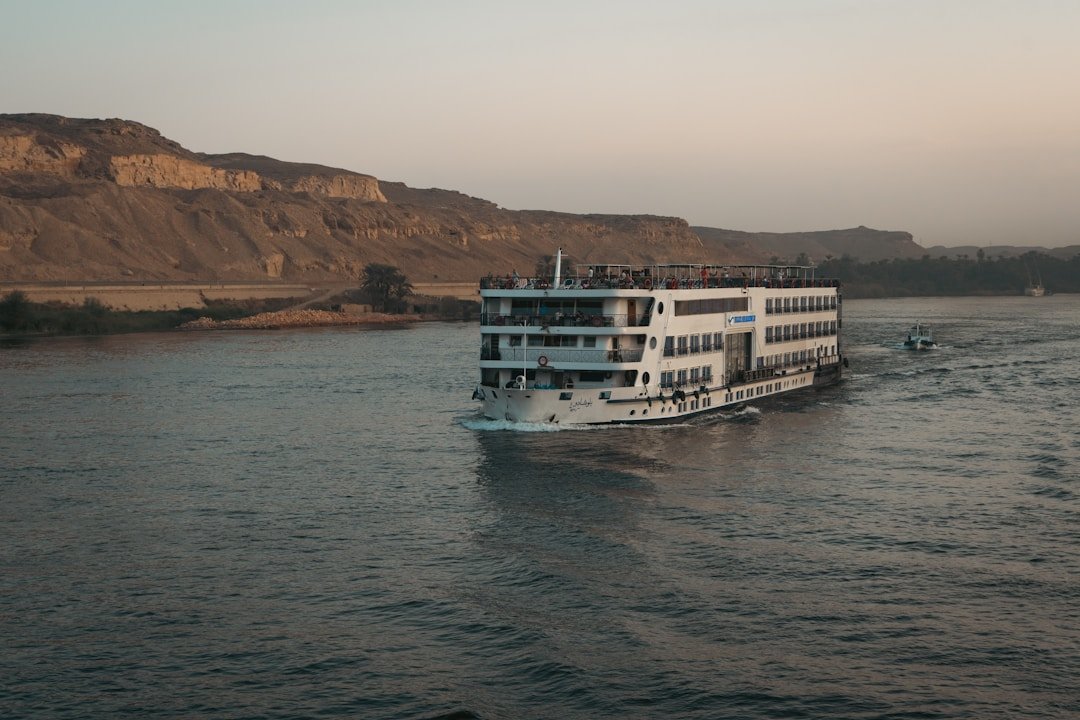
Nile Cruises
Discover Egypt from the Nile with cruise experiences connecting historic destinations.
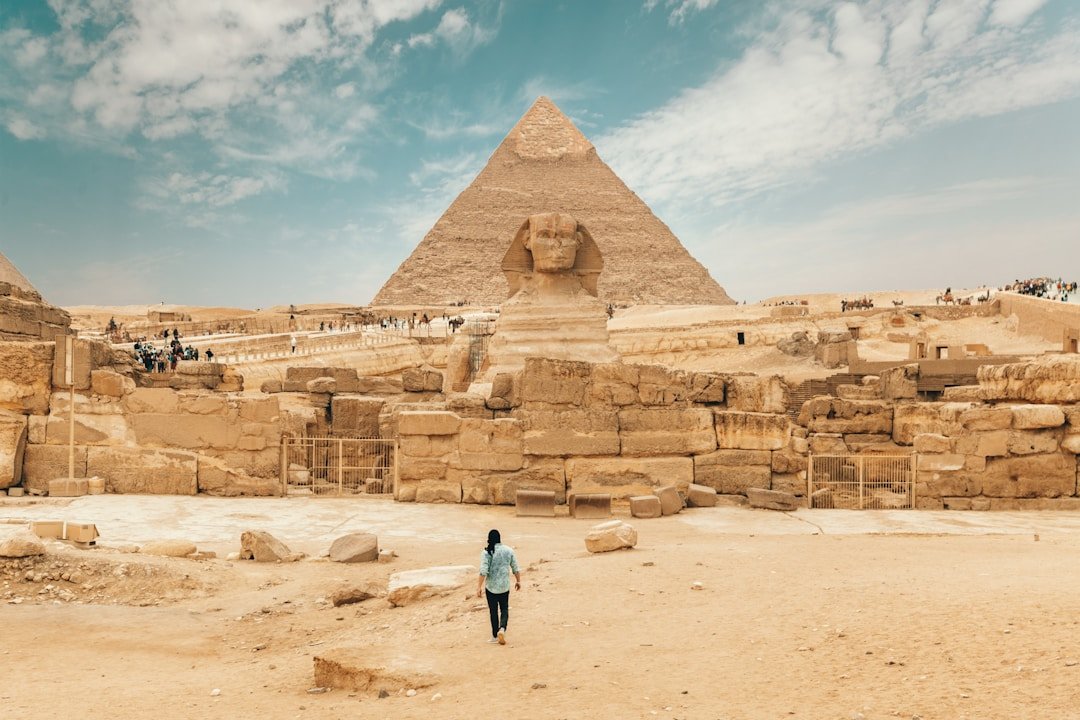
Egypt Tours
Explore Egypt with thoughtfully planned tours covering its major historical destinations.
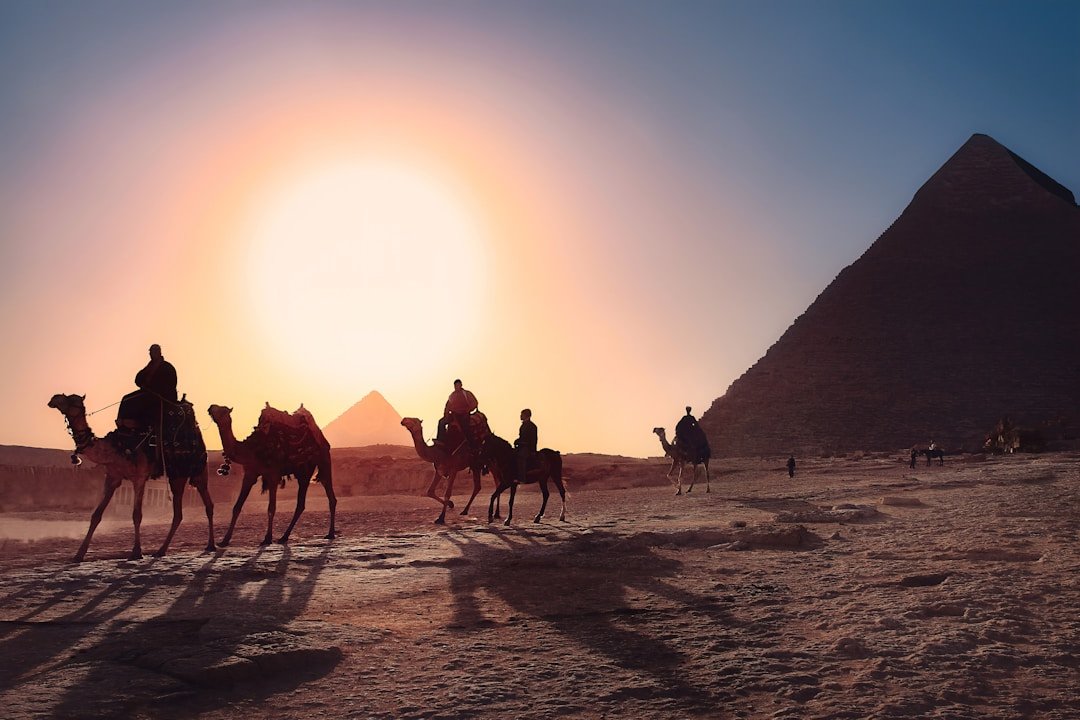
Private Egypt Tours
Travel at your own pace with private experiences built around your itinerary.
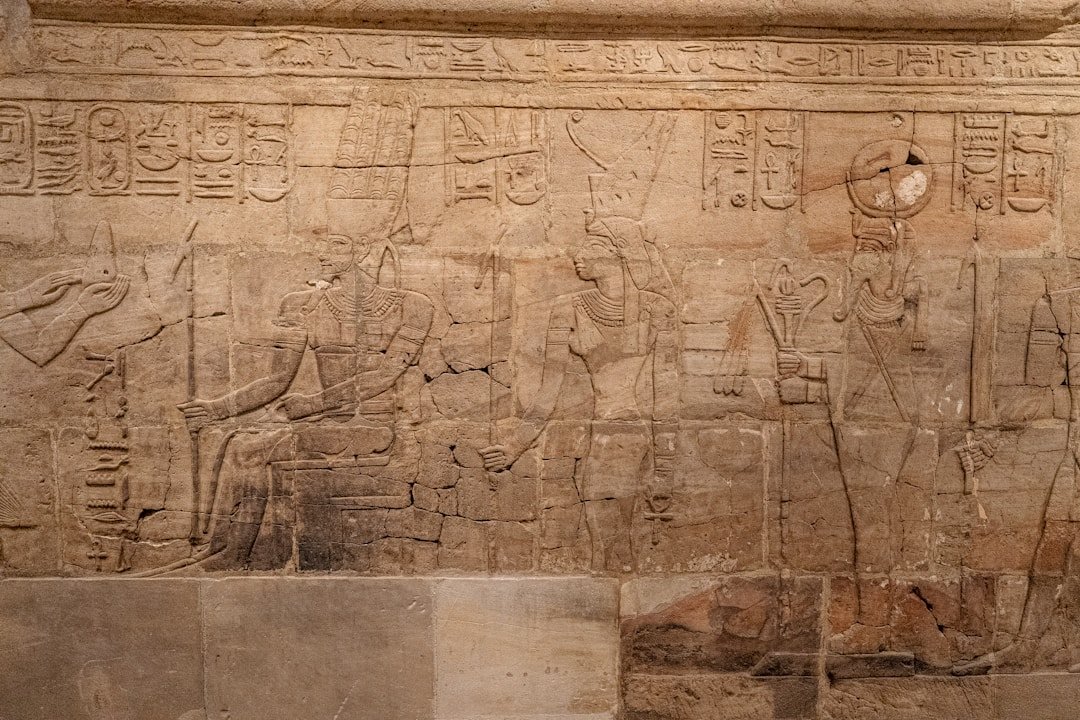
Local Egypt Guides
Connect with local guides who can add historical context to your sightseeing.
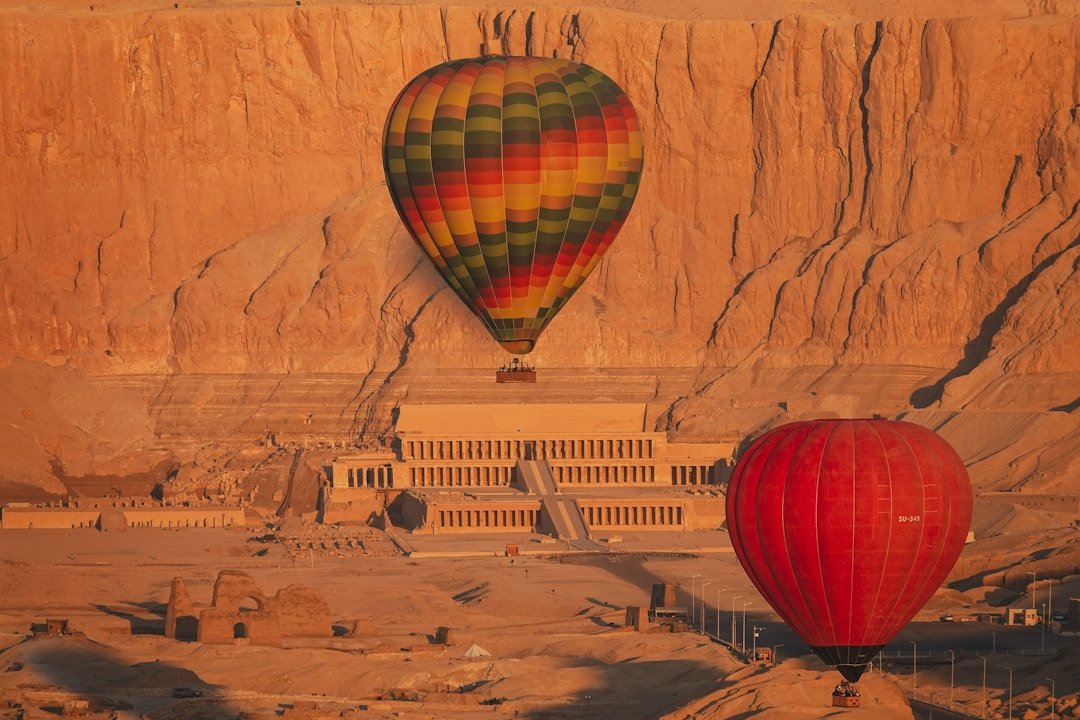
Hot Air Balloon Luxor
See Luxor’s ancient landscape from above on a sunrise flight.
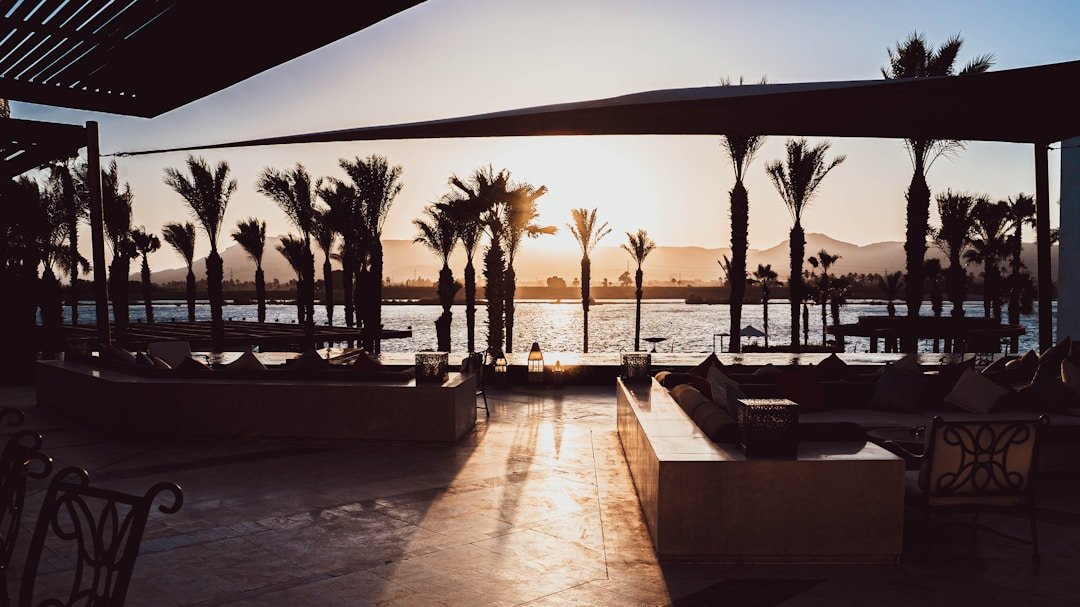
Villas & Apartments in Luxor
Choose a more private stay for longer visits or travelers who want extra space.

Egypt Travel Experiences
Add memorable local experiences to your itinerary beyond the major monuments.
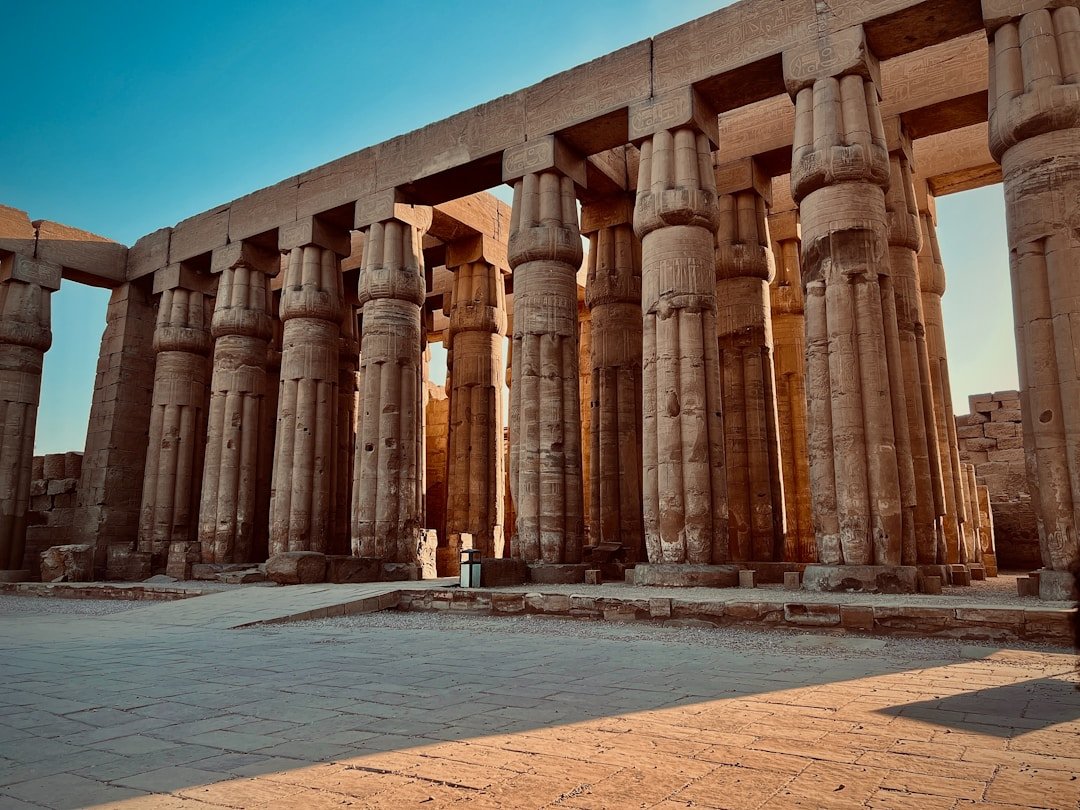
Luxor Tours
Explore temples, tombs and the ancient landscapes of Luxor with focused tours.
Giza & Cairo Planning
Build the Giza visit into a wider Cairo itinerary with the right time and location planning.