Luxor Temple: The Southern Sanctuary of Ancient Thebes
At the eastern edge of modern Luxor, an ancient sanctuary still stands at the center of the city. Luxor Temple was not simply a place of worship. It was a monumental setting for kingship, renewal, procession, and the rituals that connected the living king with the divine order of Egypt.

Luxor Temple: The Southern Sanctuary of Ancient Thebes
At the southern end of ancient Thebes, on the east bank of the Nile, Luxor Temple was built as a sacred place of kingship, ritual renewal, and divine presence. Its ancient name, Ipet Resyt, is commonly translated as the “Southern Sanctuary.” Unlike a monument designed around a single pharaoh, the temple records several generations of royal building and later religious use.
The story becomes clearer when Luxor Temple is connected with Karnak Temple. The two sanctuaries were linked by ritual processions and by the religious traditions of Amun and the Theban triad. During the Opet Festival, sacred images traveled from Karnak toward Luxor Temple in ceremonies associated with renewal and kingship.
Who Built Luxor Temple?
The heart of the surviving temple was created largely during the reign of Amenhotep III in the 14th century BC, during Egypt’s New Kingdom. His builders produced some of the monument’s most elegant architectural spaces, especially the great processional colonnade and the inner courts.
Ramesses II later reshaped the northern entrance. His monumental pylon, colossal seated statues, obelisks, and court gave the temple a more dramatic public approach. Rather than seeing these as competing monuments, it is better to read them as layers of one sanctuary that continued to evolve.
This combination is one of Luxor Temple’s greatest strengths. Amenhotep III’s refined architecture and Ramesses II’s monumental royal imagery remain visible together, allowing visitors to see how different New Kingdom kings expressed power and religious legitimacy.
What You See at the Entrance
The northern entrance is dominated by the great pylon of Ramesses II and colossal seated statues of the king. Two obelisks once stood here; only one remains at Luxor. The other was presented to France in the 19th century and now stands in the Place de la Concorde in Paris.
The entrance was designed as a theatrical transition. Moving from the modern city toward the pylon, the scale increases dramatically. Royal statues, inscriptions, columns, and monumental stonework turn the approach into a statement about the king’s relationship with the gods.
The Courtyard of Ramesses II
Beyond the pylon is the large open court associated with Ramesses II. Its columns and royal statues create a strong rhythm around the space, while inscriptions preserve the political and religious messages of the period.
One of the most interesting things to notice here is that the temple is not frozen in one historical moment. Later generations reused spaces and added their own religious layers. Luxor Temple is therefore as much a story of adaptation as it is a story of construction.
The Colonnade of Amenhotep III
Deeper inside, the architecture changes character. The processional colonnade associated with Amenhotep III is one of the temple’s most memorable spaces, with tall papyrus-bundle columns creating a powerful sense of movement and enclosure.
Reliefs and architectural details here connect the temple with the ceremonial life of the New Kingdom. The approach toward the inner sanctuary becomes progressively more restricted, reflecting the movement from public monumentality toward sacred ritual.
The Sanctuary and the Cult of Amun
At the heart of the temple were rooms associated with divine ritual. Luxor Temple was closely connected with Amun and the Theban religious tradition, while its relationship with Karnak became especially important during major festivals.
The Opet Festival: When the Gods Came to Luxor
The Opet Festival was one of the great ceremonies of ancient Thebes. Sacred images associated with Amun, Mut, and Khonsu were carried in procession from Karnak toward Luxor, transforming the route between the temples into a ritual landscape.
The festival was closely connected with renewal. The ceremonies reinforced the relationship between the gods and the king and helped express the continuing order of the Egyptian world. Reliefs at Luxor Temple preserve scenes that give modern visitors a glimpse of how these celebrations were represented in stone.
The processional route was associated with the Avenue of Sphinxes. Parts of this ancient route have been restored, although today’s experience reflects both archaeology and the modern city rather than an untouched ancient street.
Roman, Christian, and Islamic Layers
Luxor Temple remained important long after the pharaonic period. Roman activity introduced new uses and architectural traces, while Christianity transformed parts of the complex into a church.
The most striking later layer is the Mosque of Abu Haggag, which stands within the first court. Its presence is a reminder that the monument was never simply abandoned after the pharaohs. Later communities continued to live, worship, build, and reinterpret the ancient site.
These later layers should not be treated as distractions from the pharaonic story. They are part of the reason Luxor Temple is such a remarkable historical document: one place contains evidence of many different eras of Egyptian history.
What Makes Luxor Temple Different from Karnak?
Karnak is enormous, complex, and deeply layered, with vast precincts, pylons, courts, columns, and sanctuaries built and modified over centuries. Luxor Temple is more concentrated. Its spaces create a clearer sequence from monumental entrance to increasingly sacred interior.
For a first visit to Luxor, seeing both is ideal. Karnak helps explain the scale of Theban religion; Luxor Temple makes the ideas of royal renewal, procession, and sacred kingship easier to experience as a coherent architectural story.
Visiting Luxor Temple
Luxor Temple stands directly in modern Luxor, close to the Nile Corniche and the center of the East Bank. It is easy to combine with Karnak and other East Bank attractions, and many travelers find that around one to two hours allows enough time to appreciate the main spaces without rushing.
Allow 1–2 hours
Give yourself enough time for the pylon, Ramesses II court, colonnade, inner spaces, reliefs, and later religious layers.
Go beyond the entrance
The first statues are impressive, but the deeper architectural sequence is essential to understanding why the temple was built this way.
Combine East Bank sites
Pair Luxor Temple with Karnak Temple and the Avenue of Sphinxes for a stronger sense of ancient Thebes.
Consider the light
Morning can offer softer light for details and photography, while evening lighting can create a very different atmosphere. Check current opening arrangements before visiting.
Luxor Temple at Night
After sunset, the illuminated columns and statues take on a different character. Because the temple sits inside modern Luxor rather than in an isolated archaeological zone, the experience combines ancient stone with the movement and atmosphere of the living city.
Evening access and lighting schedules can change, so confirm current visitor information before making a special night visit.
Luxor Temple and the Wider Theban Landscape
Luxor Temple is only one part of a much larger ancient landscape. On the east bank, Karnak represents the great religious complex; on the west bank, royal tombs such as the Valley of the Kings reveal a very different side of New Kingdom civilization.
For travelers interested in the New Kingdom, these sites work best as a connected story: temples for the gods and royal ritual on the east bank, monumental funerary landscapes on the west bank, and the Nile linking them all.
Why Luxor Temple Still Matters
Luxor Temple is not unforgettable simply because it is old. It is memorable because so many layers of Egyptian history remain visible in one compact place. Amenhotep III, Ramesses II, the cult of Amun, the Opet Festival, Roman and Christian reuse, the Mosque of Abu Haggag, archaeological restoration, and modern Luxor all belong to its story.
Standing among the columns, the past does not feel completely separated from the present. The ancient sanctuary remains in the middle of a living city, just as it once stood at the center of the religious landscape of Thebes.
Explore More of Ancient Egypt
🏛️ Karnak Temple
Explore the vast religious complex that formed the northern counterpart to Luxor Temple.
👑 New Kingdom
Discover the era of Amenhotep III, Ramesses II, and the great building projects of imperial Egypt.
⚱️ Valley of the Kings
Continue to the royal tombs of the west bank and the burial landscape of New Kingdom pharaohs.
🏺 Temples of Egypt
Explore more of Egypt’s sacred architecture, from Luxor to Philae and beyond.
Premium Booking
Make your Luxor visit easier by arranging accommodation, experiences, guides, cruises, and tours before you arrive.
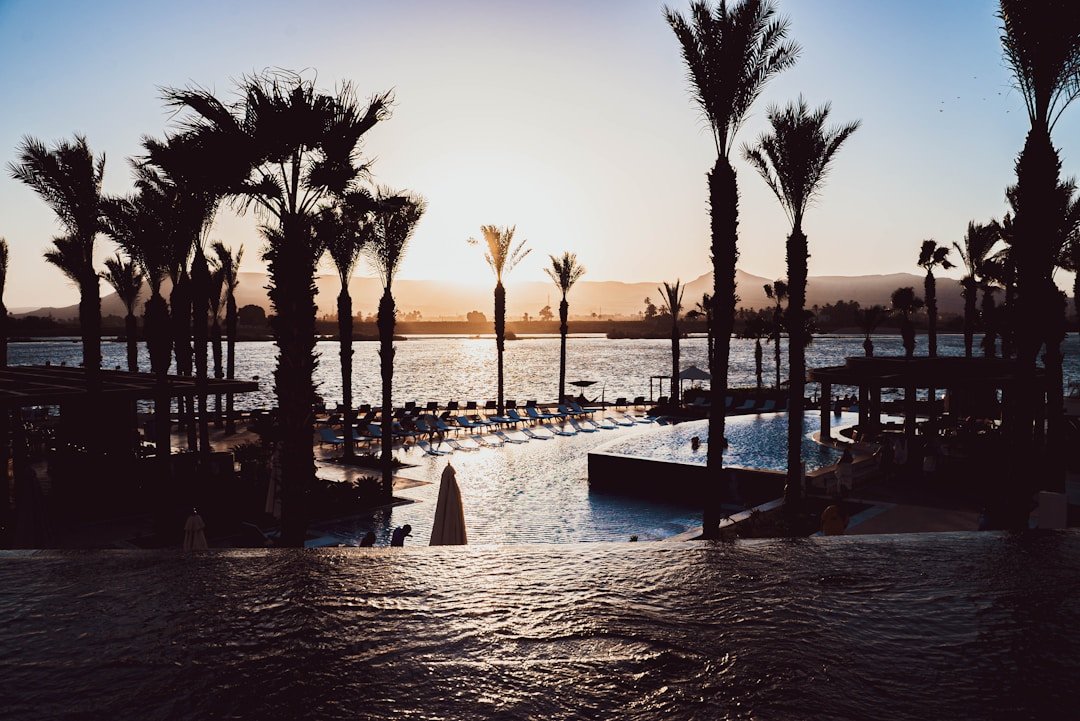
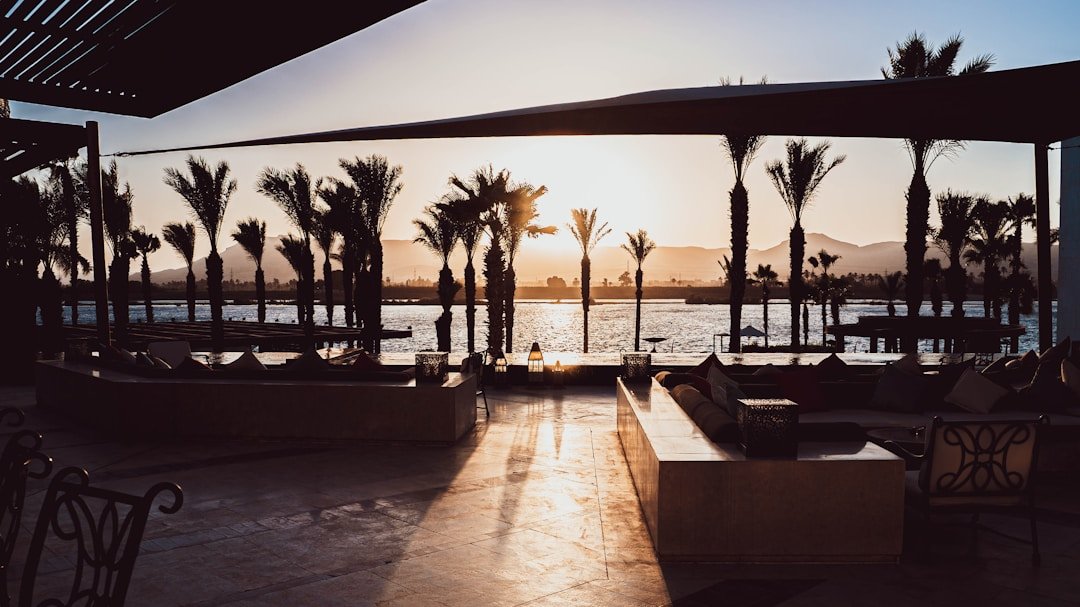
Villas & Apartments in Luxor
Choose more space and a home-style stay in Luxor.
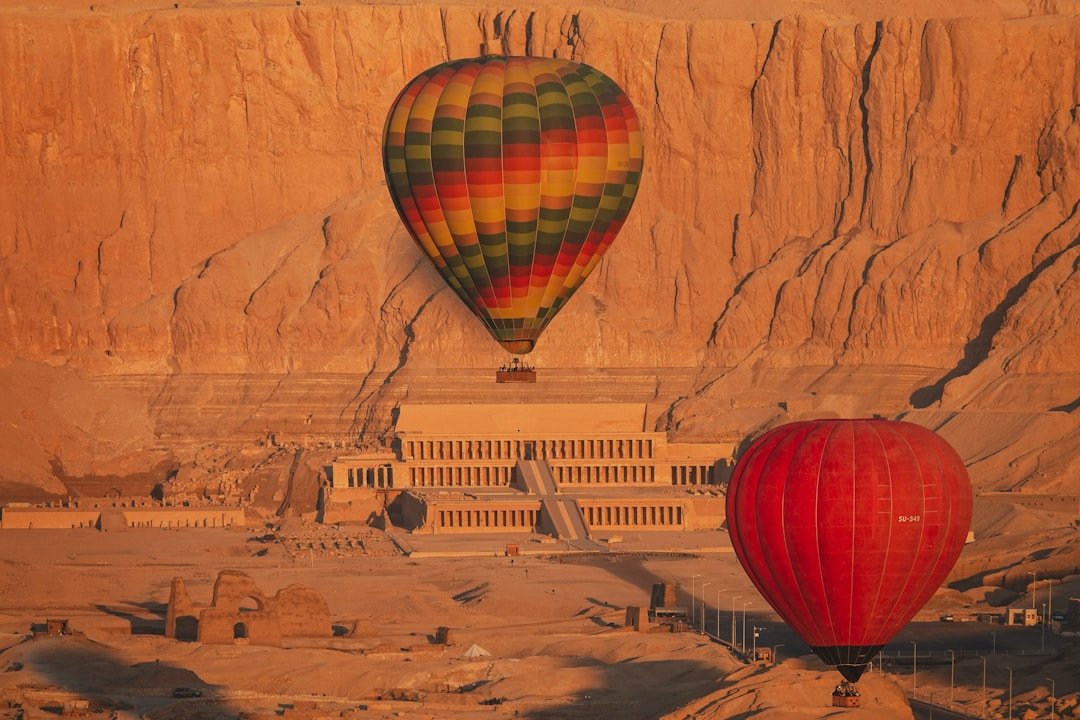
Hot Air Balloon
See Luxor’s temples and Nile landscape from above at sunrise.
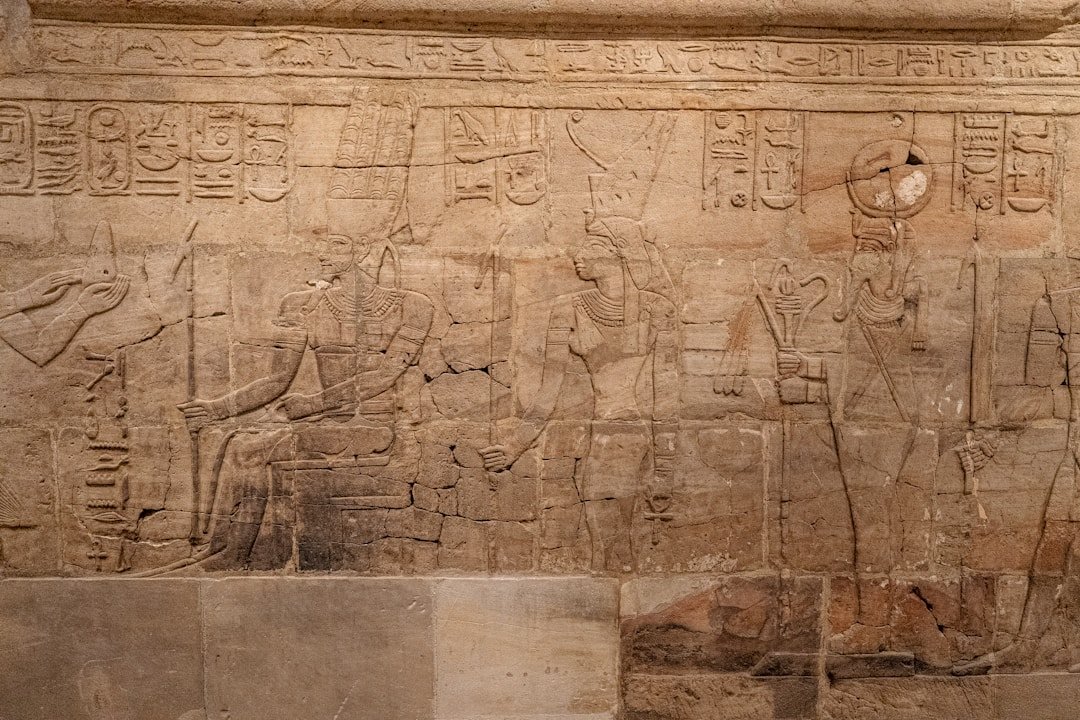
Local Egypt Guide
Explore Luxor with a knowledgeable local guide who can bring the monuments to life.
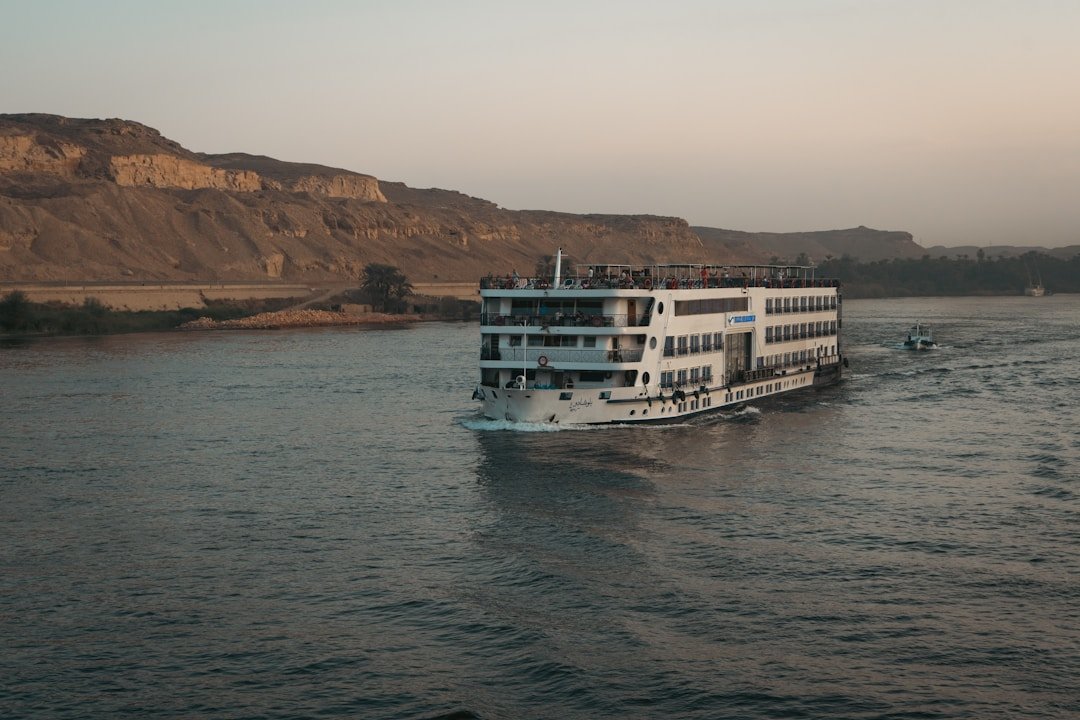
Nile Cruises
Connect Luxor with the great Nile journey between Upper Egypt’s historic cities.
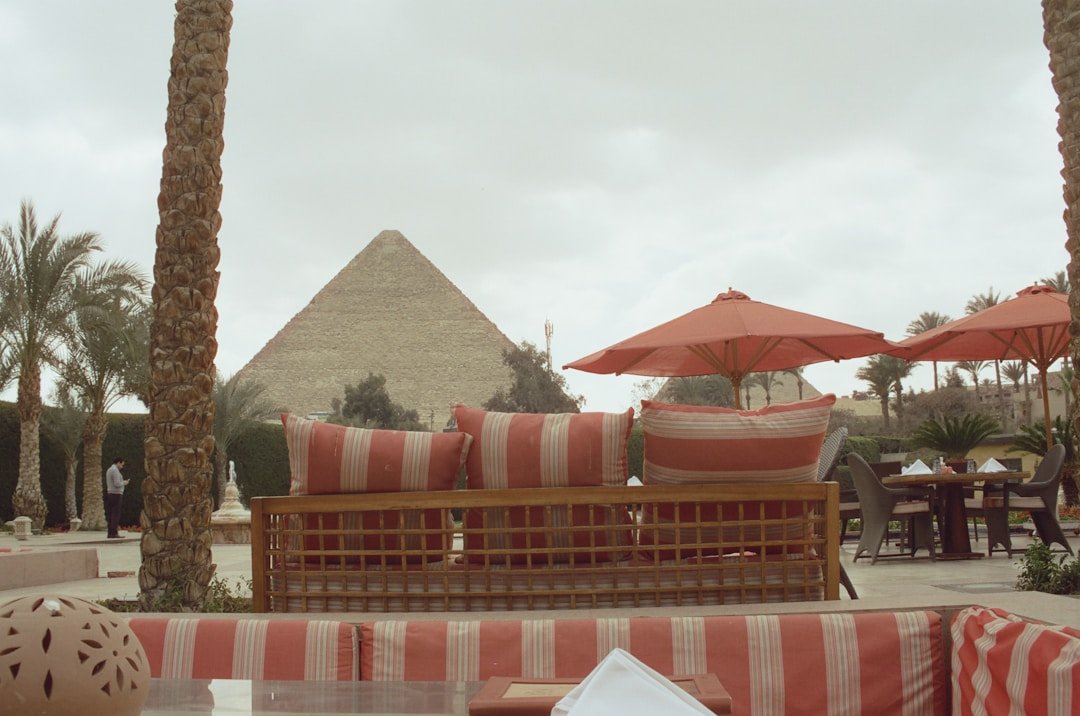
Egypt Hotels
Compare accommodation options across Egypt for the rest of your journey.

Egypt Travel Experience
Find memorable experiences to add to your Egypt itinerary.
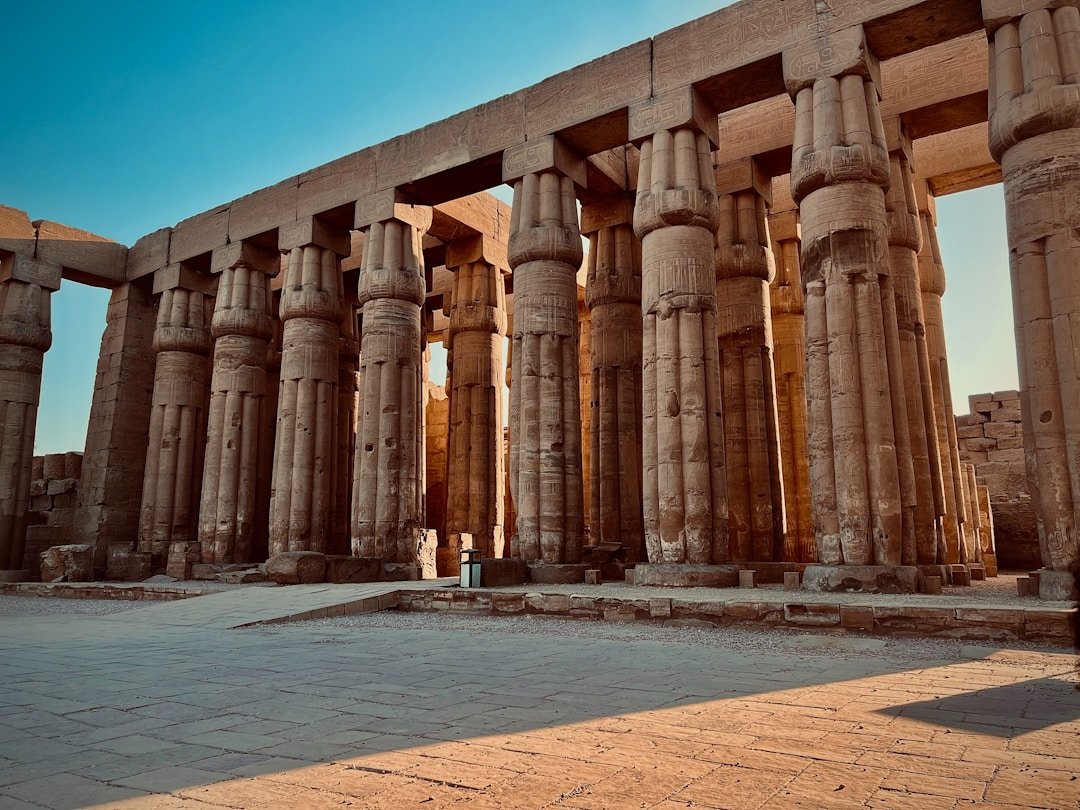
Luxor Tours
Build your East Bank and West Bank sightseeing days around guided tours.
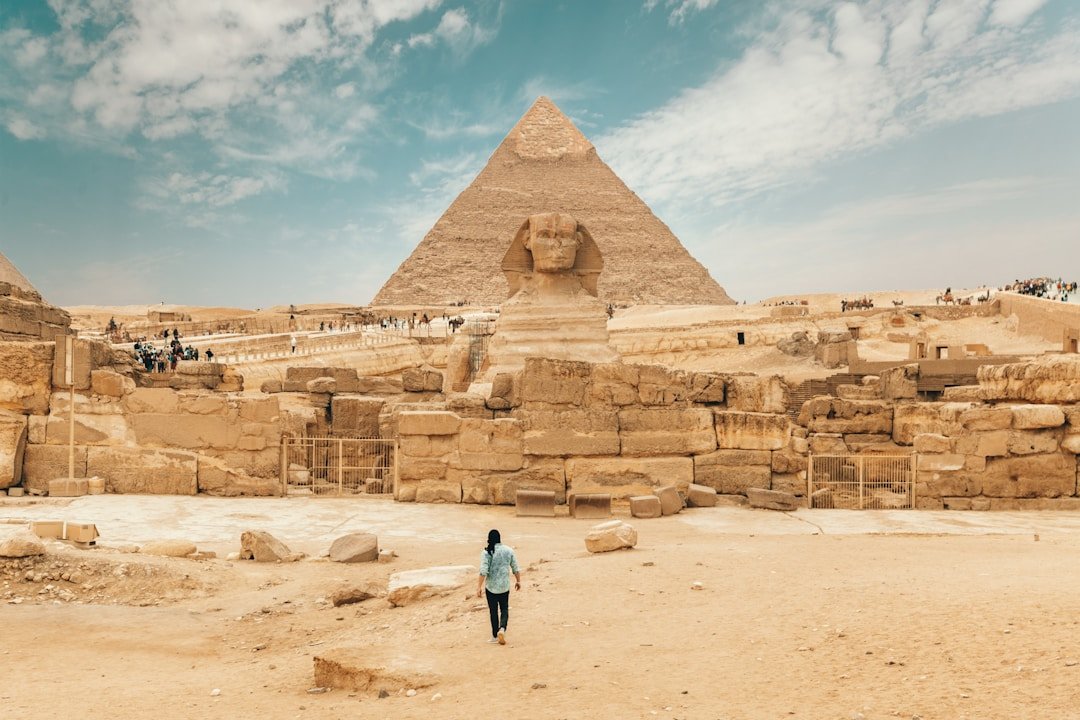
Private Egypt Tours
Choose a more personal itinerary built around your interests and pace.
Frequently Asked Questions
What was Luxor Temple used for?
Luxor Temple was a major sacred sanctuary associated with Amun, royal kingship, ritual renewal, and the Opet Festival.
Who built Luxor Temple?
Amenhotep III created much of the temple’s core, while Ramesses II added the great northern entrance, statues, obelisk setting, and court. Later periods added further layers.
How long should I spend at Luxor Temple?
For most visitors, around one to two hours is a comfortable amount of time to see the principal spaces without rushing.
Is Luxor Temple open at night?
Luxor Temple has traditionally offered evening access and illumination, but hours and arrangements can change. Check current visitor information before your visit.
How far is Luxor Temple from Karnak Temple?
The two complexes are roughly 3 kilometers apart, connected by the historic processional landscape and the Avenue of Sphinxes.
The Southern Sanctuary of Ancient Thebes
Luxor Temple is one of the rare ancient monuments where the past still feels embedded in the present. Its columns, statues, reliefs, later religious buildings, and surrounding city tell a story that stretches far beyond the reign of one pharaoh.
Visit it with Karnak, look closely at the layers left by different periods, and allow yourself time to experience the transition from the monumental entrance toward the sacred interior. In Luxor, the ancient world is not far away. It is still standing in the heart of the city.
Pingback: Valley of the Kings: Royal Tombs of the New Kingdom - egyptsaga.com
Pingback: Karnak Temple in Luxor: History, Amun-Ra & Hypostyle Hall
Pingback: Temple of Edfu: The Best-Preserved Temple of Horus in Egypt