Ramesses II: The King Who Built for Eternity
Walk through Luxor today and the name of Ramses II seems to follow you: carved into temple walls, rising from colossal statues, and repeated across monuments built to make a king unforgettable. More than 3,000 years later, his story is still written across the landscape of Egypt.
Ramses II ruled Egypt for approximately 66 years, one of the longest and most consequential reigns of the New Kingdom. He came to the throne around 1279 BC as a young king and died after an exceptionally long life. By the end of his reign, his name and image had been placed across temples, statues and inscriptions throughout Egypt.
He is often called Ramses the Great. The scale of his building programme makes the title understandable, but his legacy was shaped by more than monuments. He inherited a strong kingdom, fought the Hittites at Kadesh, later concluded a landmark peace treaty, expanded Egypt’s monumental landscape and carefully projected an image of royal power that still dominates the ancient sites visitors see today.
For travelers, Ramses II is unusually easy to encounter. In Luxor, his name appears at Karnak and Luxor Temple; on the west bank, the Ramesseum connects him with ancient Thebes; and far to the south, Abu Simbel transforms his royal image into one of Egypt’s most dramatic architectural experiences.
From Royal Prince to Pharaoh
Ramses was born into a royal family during a powerful period of Egyptian history. His father was Seti I, a king of the 19th Dynasty who restored Egyptian influence and sponsored major construction projects.
Ramses became crown prince while still young and was prepared for the responsibilities of kingship. When he succeeded his father, Egypt already possessed a strong military and administrative tradition. Ramses would spend the next decades building on it while creating an unusually large public image of himself.
His reign is important because it shows how an Egyptian pharaoh could use several forms of power at once: the army defended Egypt’s interests, diplomacy reduced the cost of prolonged conflict, temples displayed religious legitimacy, and monuments preserved the king’s name in stone.
The Battle of Kadesh
One of the most famous episodes of Ramses II’s reign was the Battle of Kadesh, fought against the Hittite king Muwatalli II around the early 13th century BCE.
Egyptian inscriptions present Ramses as a heroic king who fought bravely when his army became separated and came under pressure. The battle was commemorated repeatedly on temple walls, turning a complicated military encounter into one of the defining stories of his reign.
Modern historians generally understand Kadesh as an inconclusive conflict rather than a simple Egyptian victory. The Hittites retained control of Kadesh, and years later Ramses II and the Hittite king Hattusili III concluded a peace treaty.
That treaty is one of the earliest surviving written international peace agreements and is a reminder that ancient power was not expressed only through warfare. Diplomacy could be just as important as the battlefield.

The Pharaoh Who Built Across Egypt
If one feature defines Ramses II’s legacy for modern travelers, it is the sheer number of monuments connected with his reign.
Ramses added to existing temples, commissioned new structures, placed his statues in important religious centers and ensured that his royal name appeared prominently in the places where Egyptians encountered the gods.
This was not random construction. Temples were religious institutions, economic centers and places where kingship was made visible. By building there, Ramses strengthened his relationship with the gods while ensuring that future generations would encounter his name.
Karnak Temple: Ramses II Among the Great Columns
At Karnak Temple in Luxor, Ramses II’s reign becomes part of a much larger story. Karnak was developed by generations of pharaohs, and Ramses was one of many rulers who added to the complex.
His name and images appear in several areas, while the Great Hypostyle Hall—begun under Seti I and completed and decorated under Ramses II—creates one of the most unforgettable spaces in ancient Egypt.
For a visitor, this is where history becomes physical. Stand beneath the enormous columns, look upward at the surviving decoration, and remember that these spaces were created for religious ceremonies more than three millennia ago.
If Karnak is on your Luxor itinerary, allow enough time to explore it rather than treating it as a quick photo stop. A knowledgeable local guide can also help explain how different pharaohs changed the same complex over centuries.
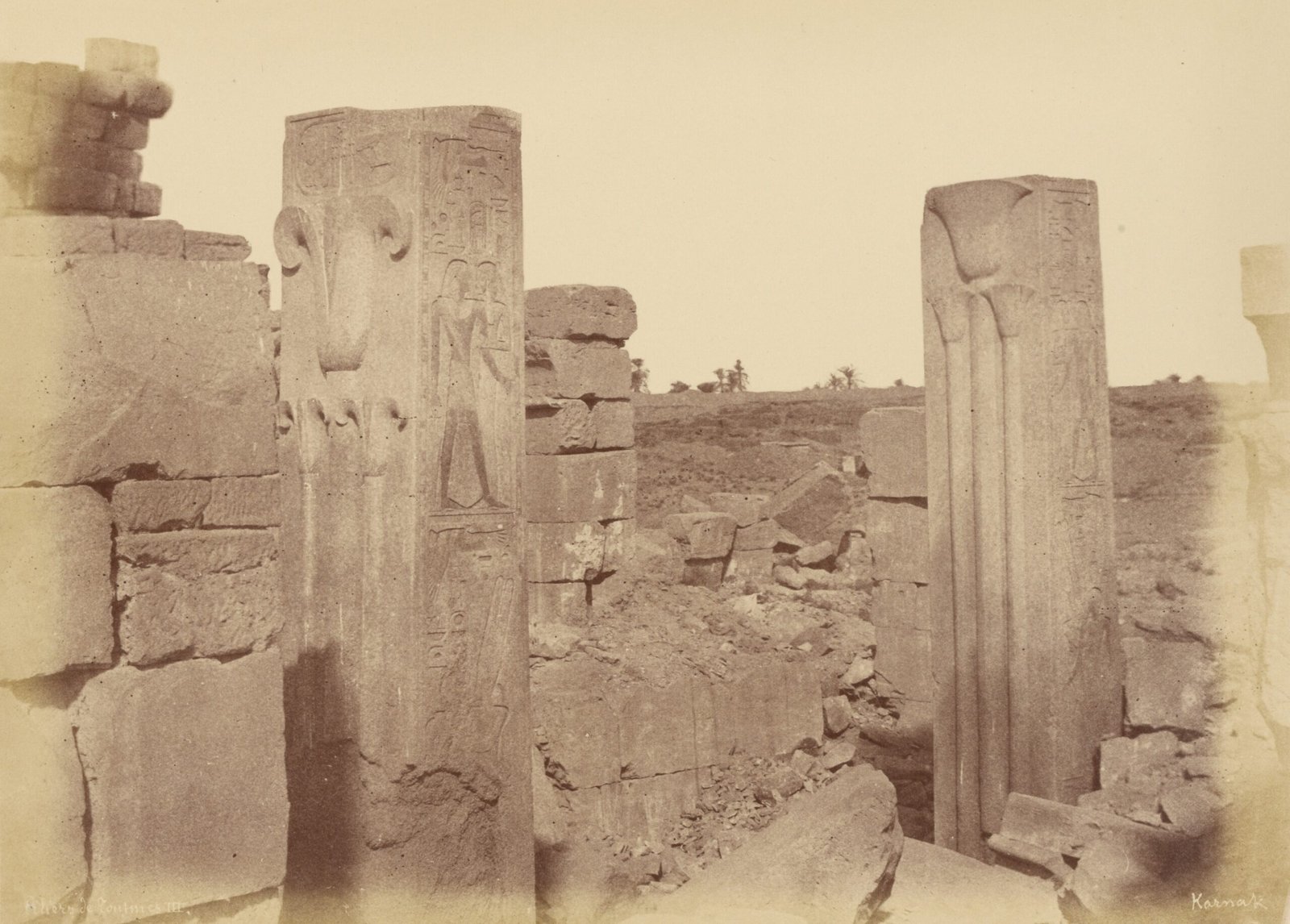
The Ramesseum: A Pharaoh’s Memorial in Luxor
Across the Nile on Luxor’s west bank stands the Ramesseum, Ramses II’s mortuary temple. Much of the complex has been damaged by time, but its surviving architecture still reveals the ambition of the original project.
Colossal statues, decorated walls and monumental spaces once formed a powerful royal landscape. The temple was connected with the cult of the deceased king and with the religious institutions of western Thebes.
Today, visiting the Ramesseum gives you a different experience from Karnak. Karnak feels vast and urban, while the Ramesseum sits within the archaeological landscape of the west bank, surrounded by the monuments and tombs that make Luxor one of the world’s great open-air archaeological destinations.
Abu Simbel: Ramses II in Stone
Far to the south, near the modern border with Sudan, Ramses II created one of the most recognizable monuments in Egypt: the Great Temple of Abu Simbel.
Four colossal seated figures of Ramses dominate the façade. Entering the temple reveals enormous halls, statues, reliefs and scenes connecting the king with the gods and the military achievements of his reign.
Abu Simbel was also designed with a remarkable relationship between architecture and sunlight. On particular days of the year, sunlight reaches deep into the sanctuary, an effect connected with the temple’s orientation and religious symbolism.
For travelers, Abu Simbel is more than a monument to photograph from the outside. The scale of the façade, the darkness of the inner chambers and the sudden appearance of colossal royal figures make the experience one of the most memorable parts of a southern Egypt itinerary.
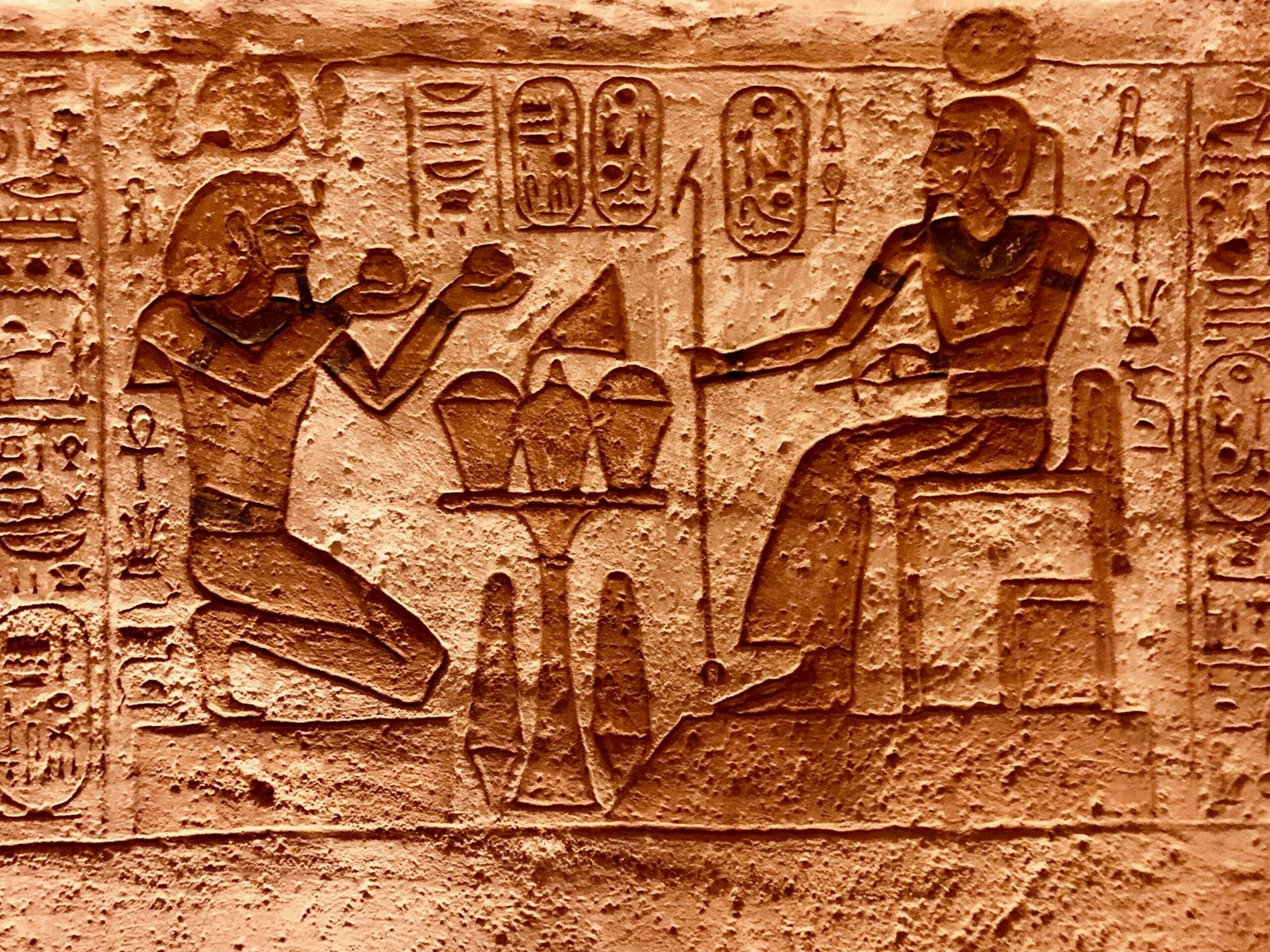
Nefertari and the Royal Family
Ramses II had a large royal household, and one of the most famous figures associated with his reign is Queen Nefertari.
Nefertari was one of Ramses II’s principal wives and was honored with her own magnificent tomb in the Valley of the Queens. Its painted scenes are among the finest surviving examples of New Kingdom funerary art.
The royal family also played an important role in the succession. Ramses had many children, and several sons died before him. The eventual successor, Merneptah, was one of the later surviving sons of the king.
For visitors interested in the people behind the monuments, the story of Nefertari adds another dimension to Ramses II’s reign: the temples and tombs of the New Kingdom were not only about kings, but about queens, families, officials and the religious world surrounding them.
The Pharaoh Who Wanted to Be Remembered
Ancient Egyptian kings did not think about monuments in the same way modern tourists do. Temples and statues were part of a religious system intended to maintain offerings, honor the gods and preserve the king’s presence after death.
Yet Ramses II clearly understood the power of visibility. His name appears across Egypt, sometimes in places begun by earlier rulers. His colossal statues created an image of permanence, while inscriptions presented his reign as a period of military strength, divine favor and royal achievement.
That strategy worked remarkably well.
Thousands of years later, a traveler arriving in Luxor can still encounter Ramses II without entering a museum first. His monuments are part of the landscape itself.
What Happened After Ramses II?
Ramses II died after a very long reign, probably in his early nineties, although his exact age cannot be established with certainty.
He was succeeded by his son Merneptah. Egypt remained a major civilization, but the political and international conditions of the New Kingdom continued to change.
Ramses II’s mummy was later moved from its original burial place and was eventually discovered in the royal cache at Deir el-Bahari in 1881. Modern examination of the mummy has provided researchers with additional information about the elderly king behind the monumental image.
His story therefore continues in two places at once: in the temples and statues he commissioned, and in the scientific study of the preserved body that survived them.
Visiting the World of Ramses II Today
The easiest place to begin is Luxor, where several monuments connected with Ramses II can be combined into a single itinerary.
On the east bank, visit Karnak and Luxor Temple. Then cross to the west bank for the Ramesseum and the wider archaeological landscape of ancient Thebes. If your itinerary continues south, Abu Simbel can be added from Aswan by road, air or as part of a broader southern Egypt journey.
These places become much more meaningful when you see them as connected chapters rather than isolated attractions: the royal court, the temples, the battlefield stories, the religious world and the landscapes of ancient Egypt all fit together.
How to Plan a Ramses II Trip in Egypt
If Ramses II is one of the reasons you want to visit Egypt, build your trip around the places where his story can be experienced directly.
Start in Luxor. Give yourself enough time for Karnak, Luxor Temple and the west bank. This is where the concentration of New Kingdom monuments makes the history feel especially immediate.
Add a local guide. The same wall can contain several pharaohs, gods, battles and rituals. A good guide can turn the carvings into a story instead of leaving you to guess what you are seeing.
Consider a Nile journey. A Nile cruise can connect Luxor with Aswan while turning the river itself into part of the experience. It also makes it easier to combine major archaeological stops with a slower travel rhythm.
Plan Abu Simbel separately. Abu Simbel is far south of Luxor, so treat it as a dedicated part of your itinerary rather than an afterthought.
Book your stay before the busiest dates. Luxor offers hotels, apartments and other stays close to the Nile and major archaeological areas. Choosing the right base can make early temple visits and full sightseeing days much easier.
Ramses II is not simply a pharaoh you read about. In Luxor and Abu Simbel, you can walk into the world he deliberately built to survive him. That is the difference between studying ancient Egypt and experiencing it.
Frequently Asked Questions About Ramses II
Who was Ramses II?
Ramses II was a 19th-Dynasty pharaoh who ruled Egypt for roughly 66 years during the New Kingdom. He is remembered for military campaigns, diplomacy and an extensive building program.
Was Ramses II the pharaoh of the Exodus?
Ramses II is sometimes identified with the biblical pharaoh of the Exodus in popular culture, but the identification is not established by Egyptian historical evidence. The chronology and historical identification remain debated.
Did Ramses II win the Battle of Kadesh?
The Egyptian royal inscriptions present Kadesh as a major triumph, but modern historical interpretation generally treats the battle as inconclusive. The Hittites retained Kadesh, and a peace treaty was later concluded between Egypt and the Hittite kingdom.
Where can I see Ramses II in Egypt?
Important monuments and statues associated with Ramses II can be seen at Luxor, including Karnak and Luxor Temple, at the Ramesseum on the west bank, and at Abu Simbel in southern Egypt.
How long did Ramses II rule?
Ramses II ruled for about 66 years, making his reign one of the longest securely documented reigns of an Egyptian pharaoh.
Who was Queen Nefertari?
Nefertari was one of Ramses II’s principal wives. Her tomb in the Valley of the Queens is famous for its exceptionally well-preserved painted decoration.
Where was Ramses II buried?
Ramses II was originally buried in a royal tomb in the Valley of the Kings. His mummy was later moved and was discovered in the royal cache at Deir el-Bahari in 1881.
PREMIUM BOOKING
Plan Your Egypt Journey
From comfortable hotels and private stays to unforgettable Luxor experiences, start planning your Egypt adventure.
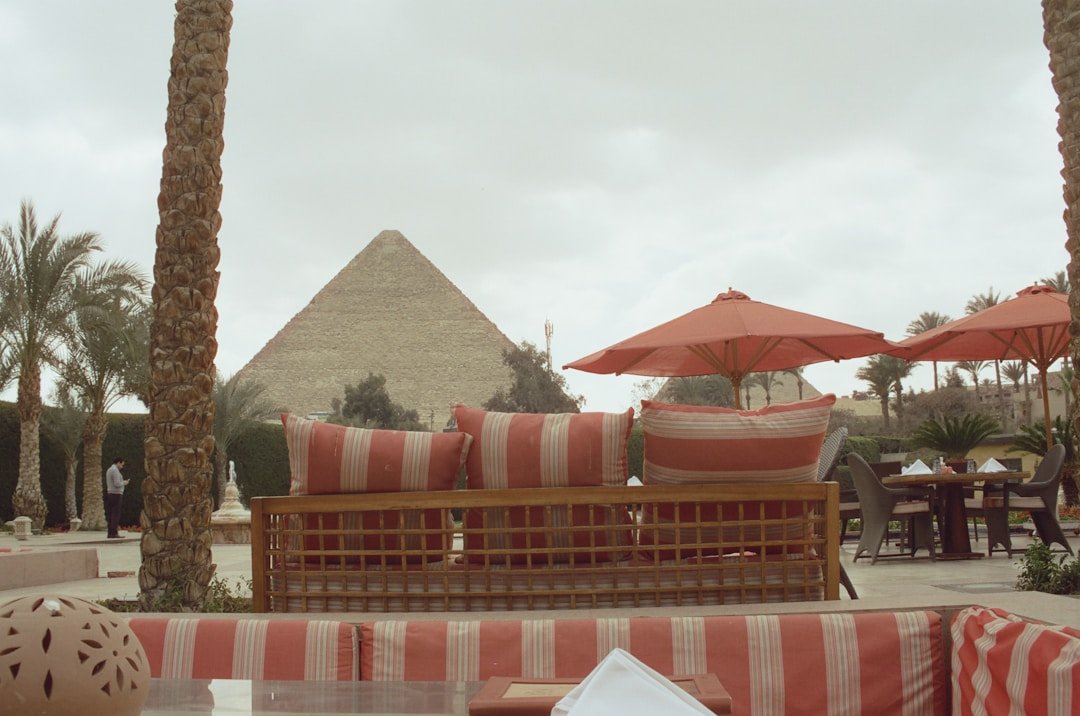
Egypt Hotels
Stay in carefully selected hotels across Egypt, from major cities to historic destinations.
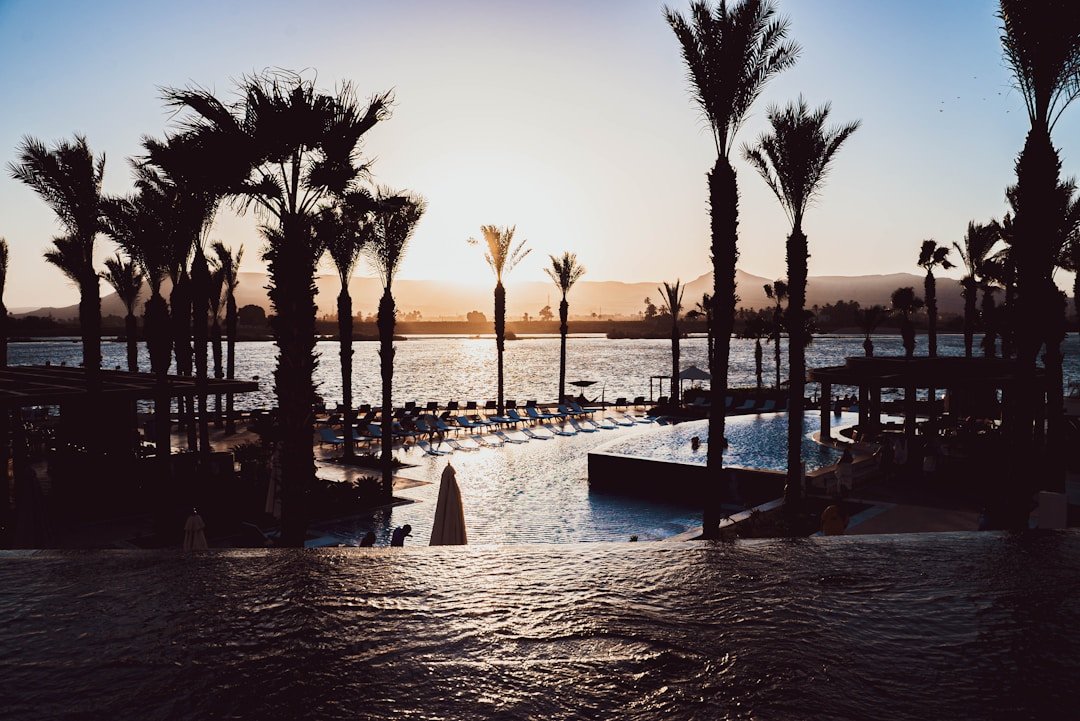
Luxor Hotels
Find comfortable stays close to Luxor’s temples, museums and the Nile.
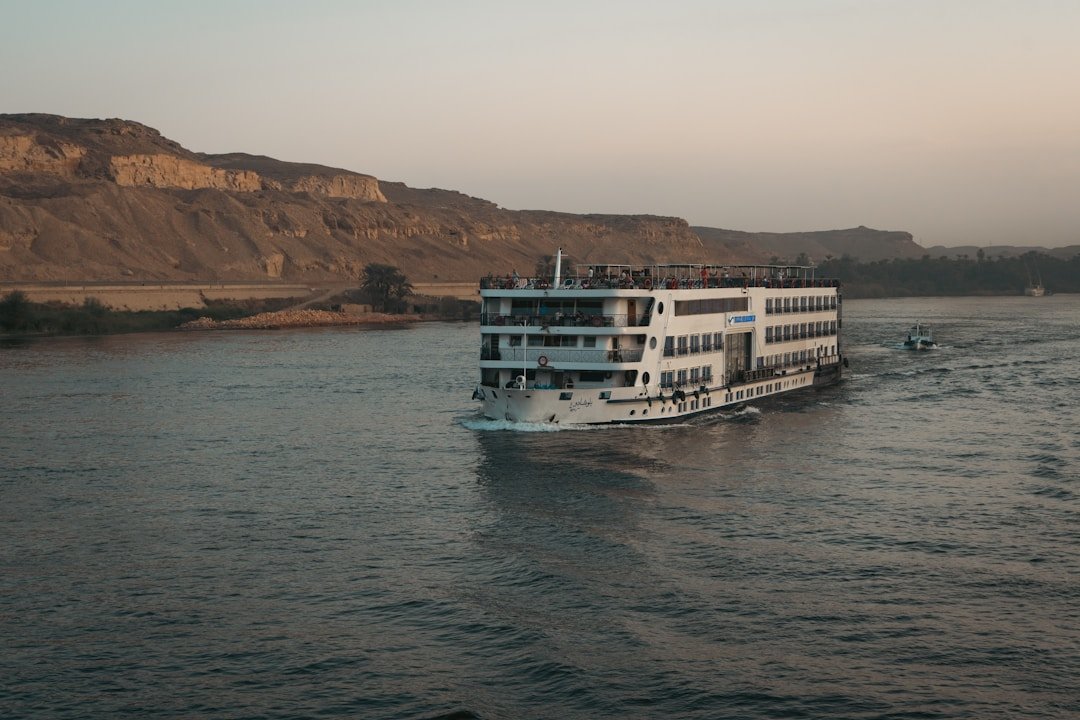
Nile Cruises
Discover Egypt from the Nile with memorable cruise experiences between historic cities.
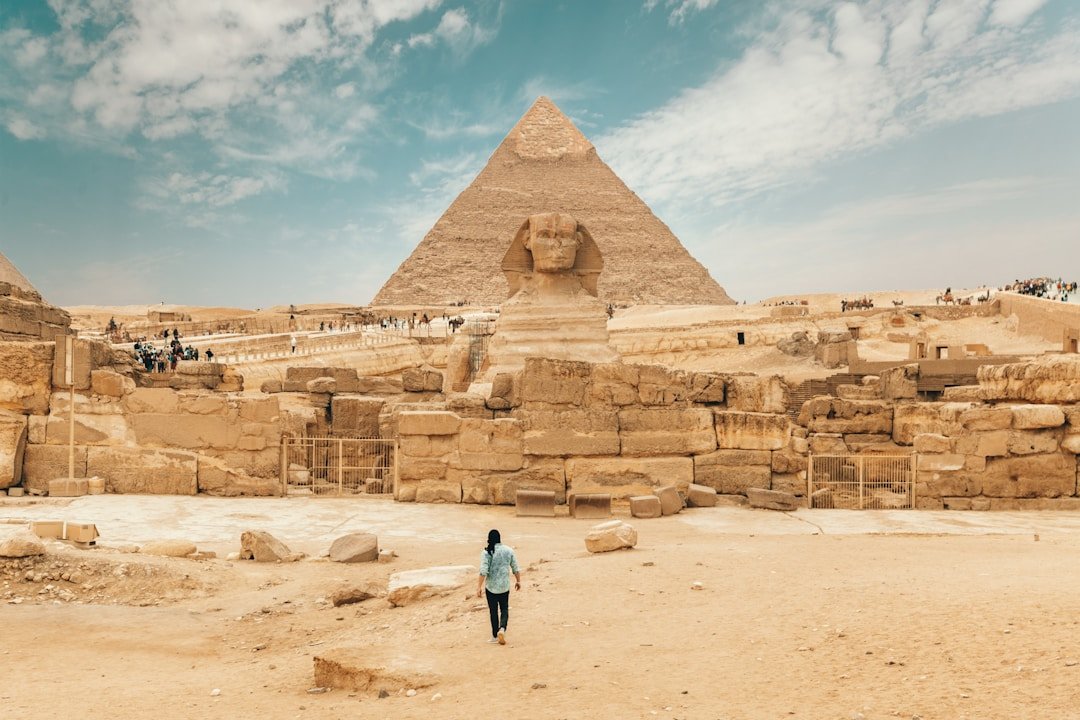
Egypt Tours
Explore Egypt with thoughtfully planned tours covering its most iconic places.
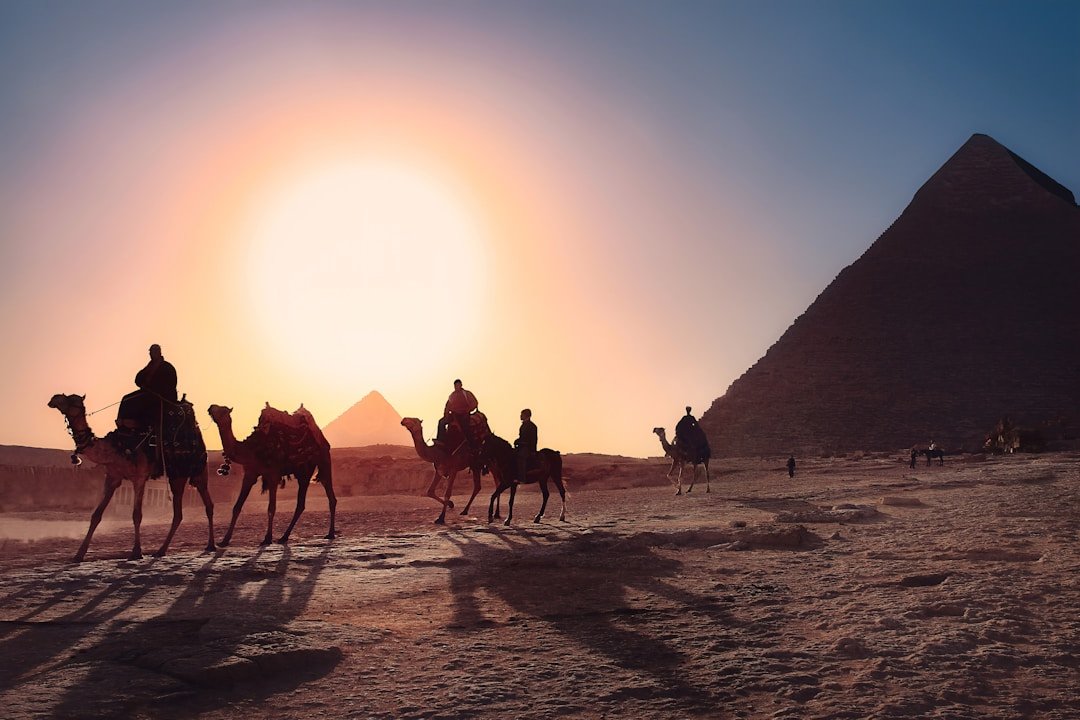
Private Egypt Tours
Travel at your own pace with private experiences designed around your Egypt journey.
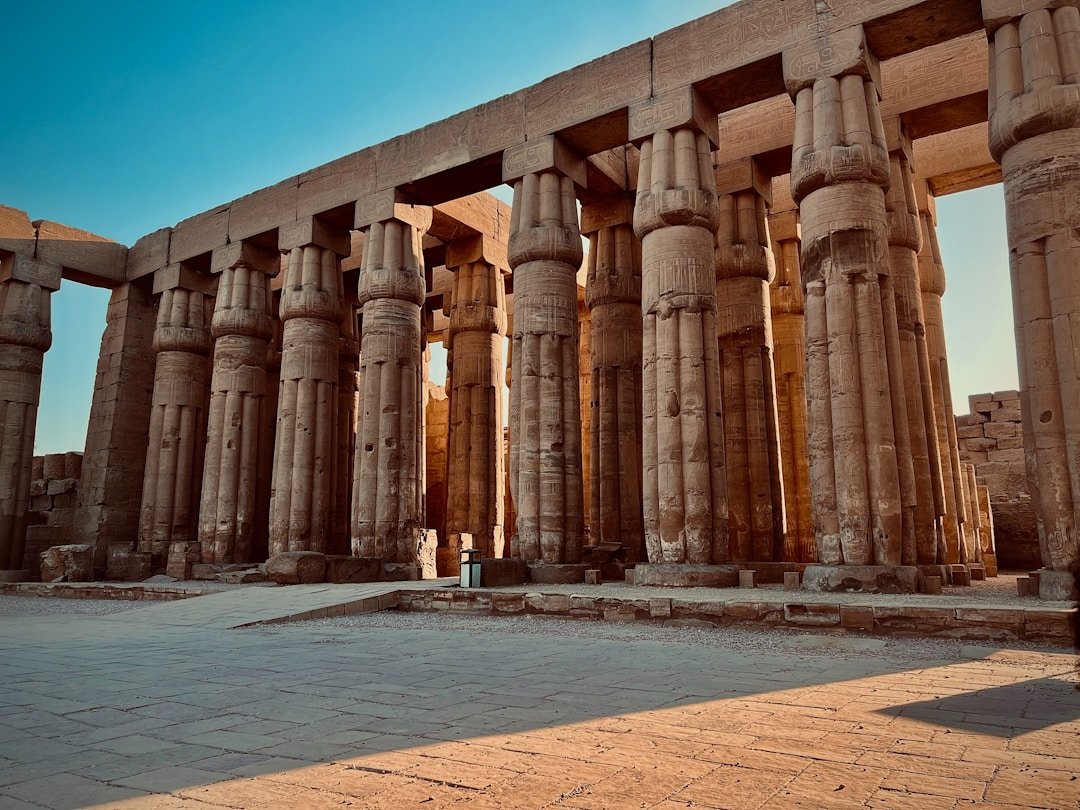
Luxor Tours
Explore the temples, tombs and ancient landscapes of Luxor with focused tours.

Egypt Travel Experiences
Add memorable local experiences to your Egypt itinerary beyond the major monuments.
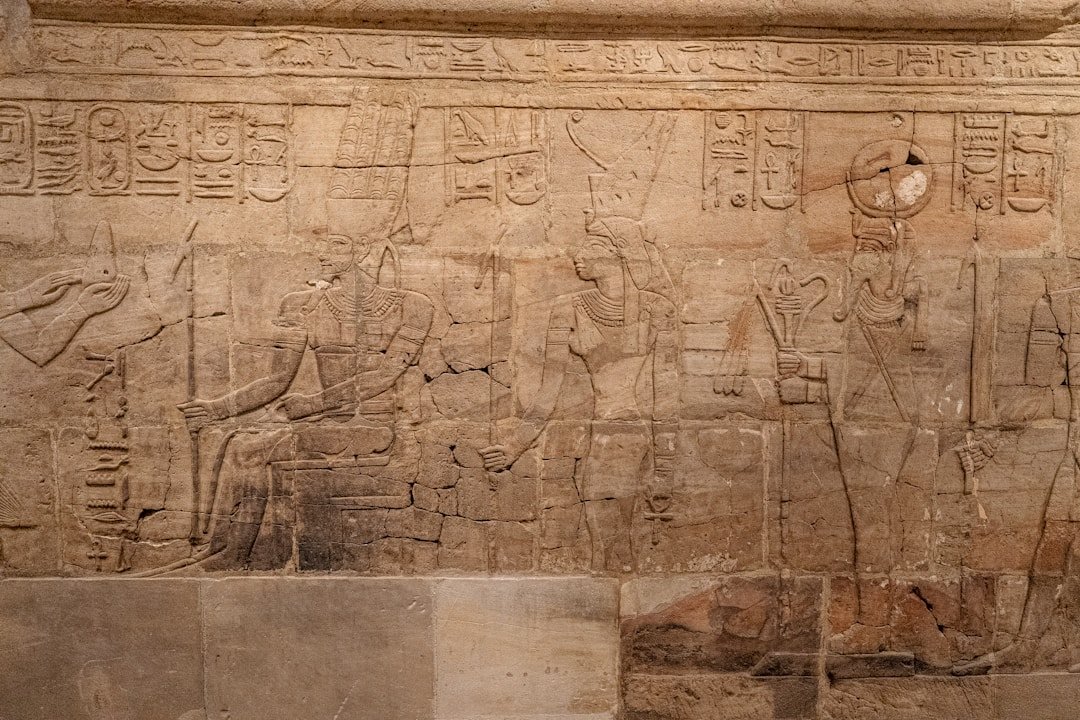
Local Egypt Guides
Connect with local guides for richer stories, context and personalized sightseeing.
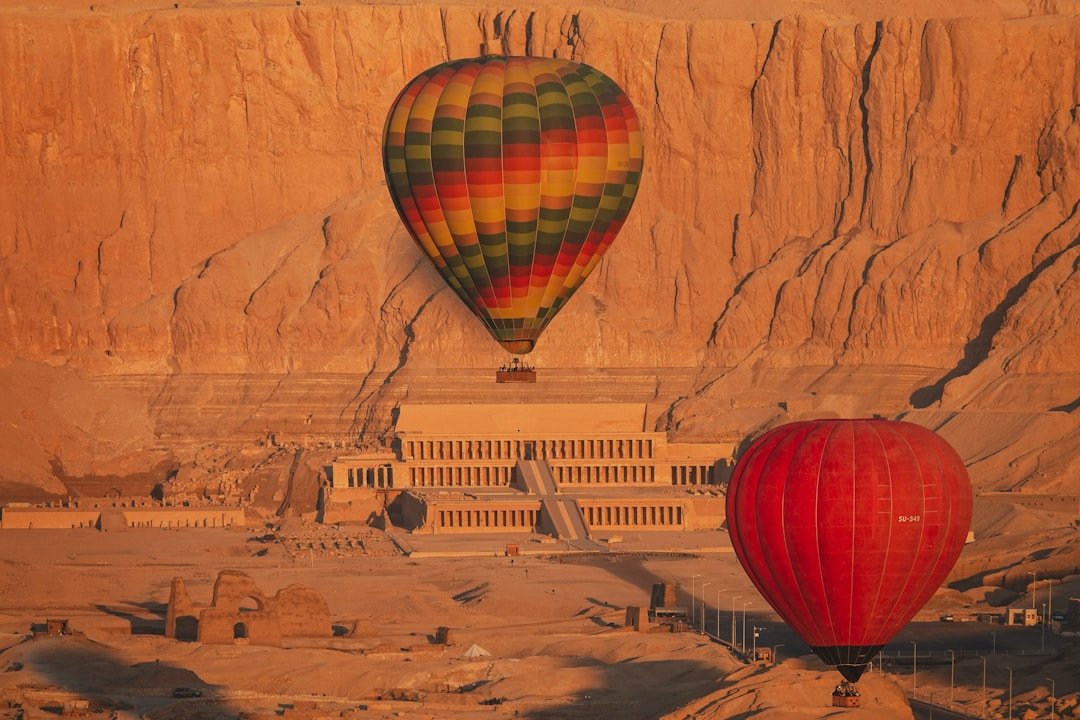
Hot Air Balloon Luxor
See Luxor’s ancient landscape from above on an unforgettable sunrise flight.
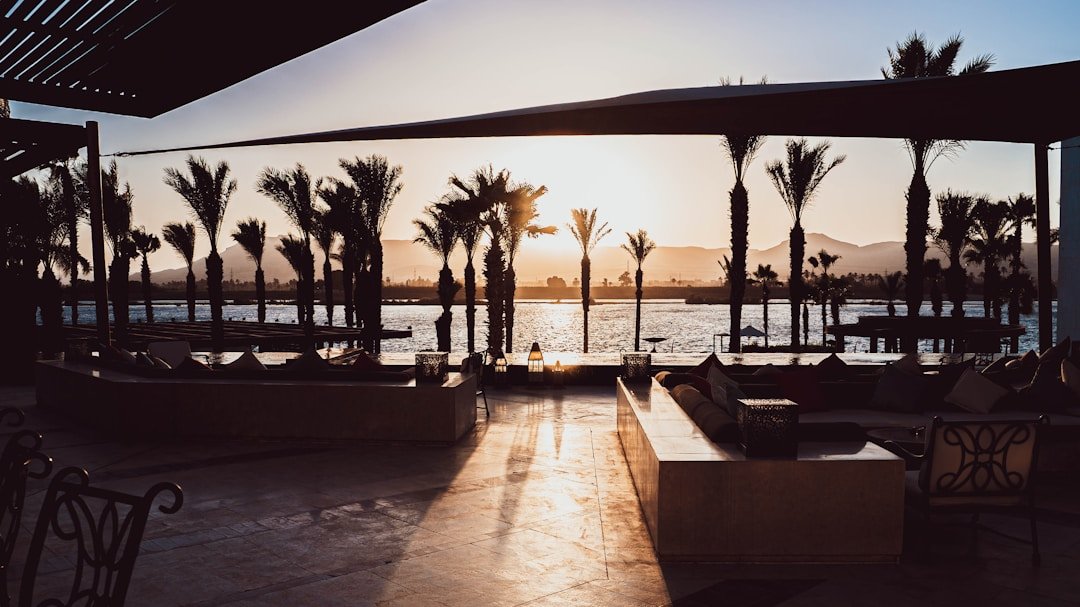
Villas & Apartments in Luxor
Choose a more private stay with villas and apartments suited to longer visits.
Pingback: Abu Simbel: Ramesses II’s Temples on the Edge of Nubia - egyptsaga.com
Pingback: Ramesseum in Luxor: Ramesses II’s Mortuary Temple