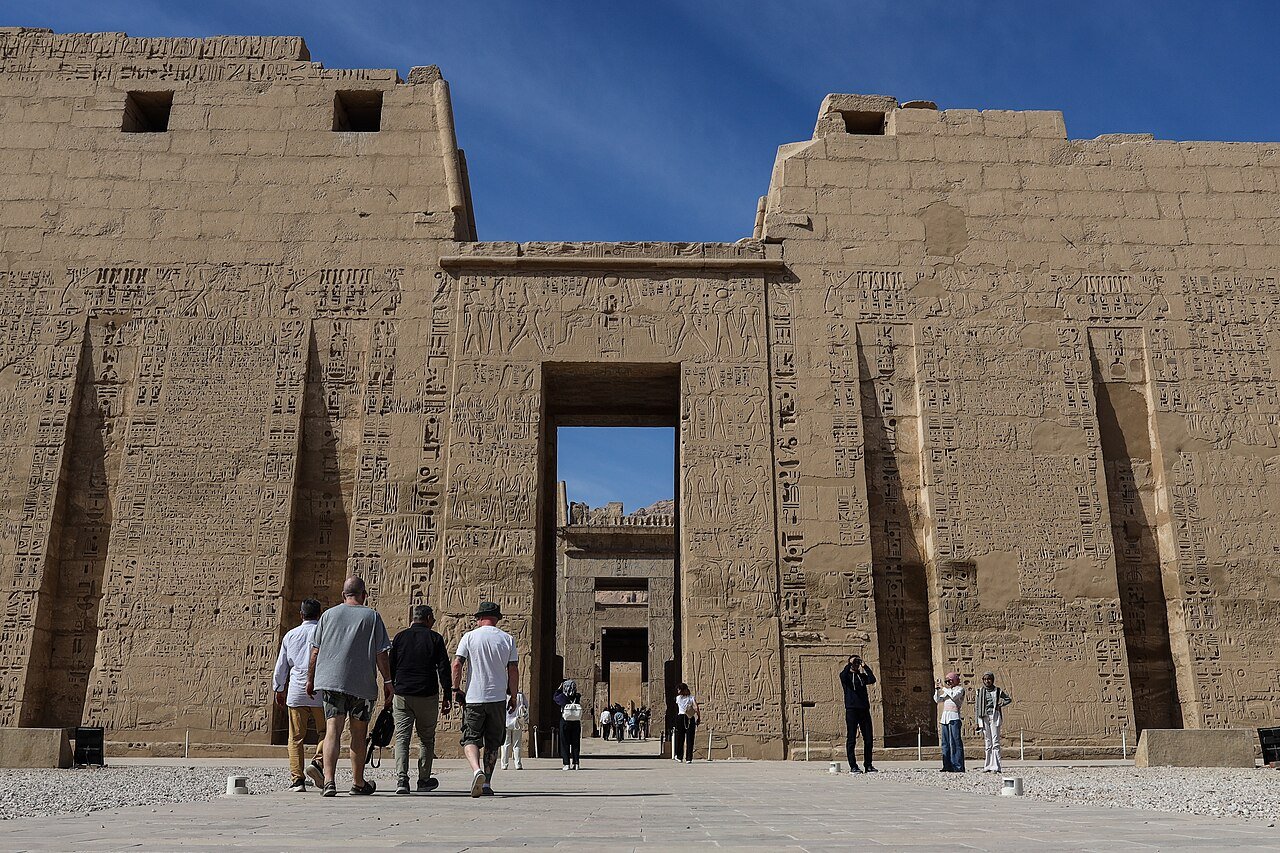
A Temple That Preserves the Power of the New Kingdom
On Luxor’s West Bank, beyond the better-known crowds around some of the royal tombs, stands Medinet Habu, the mortuary temple of Ramesses III. Its monumental walls and richly decorated courts offer a remarkable impression of how a royal religious complex could look and feel. The site is not simply a collection of carved stones: it was a place where kingship, religious ritual, memory and political authority came together.
Ramesses III ruled during the 20th Dynasty, in a period when Egypt faced military pressure, political uncertainty and wider disruption across the eastern Mediterranean. His temple presents him as a victorious ruler protected by the gods. Reading the reliefs alongside the architecture helps visitors understand both the achievements the king wanted to commemorate and the carefully constructed royal message behind them.
Who Was Ramesses III?
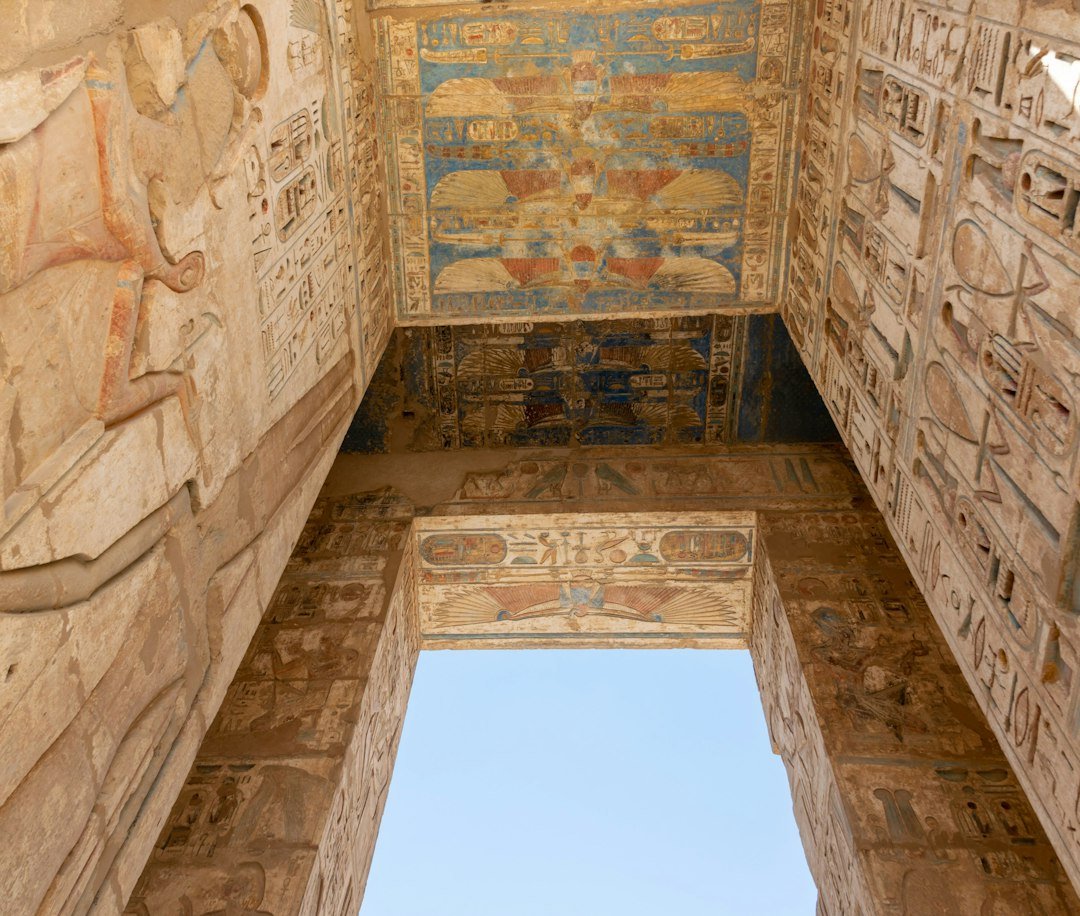
Ramesses III is often described as the last great pharaoh of the New Kingdom. His reign included major military campaigns, temple building and efforts to maintain Egypt’s institutions during a challenging era. Inscriptions at Medinet Habu record conflicts involving groups conventionally known as the Sea Peoples, as well as campaigns in other regions.
These scenes are valuable historical evidence, but they are also royal propaganda. Ancient Egyptian rulers commonly depicted themselves defeating enemies with divine support, emphasizing order over chaos. Historians continue to debate the identities, origins and movements of the Sea Peoples, so the reliefs should be read as an important Egyptian perspective rather than a complete, neutral account of every event.
Exploring the Temple Complex
The fortified entrance
One of Medinet Habu’s most distinctive features is its imposing entrance, with a fortified appearance that differs from the familiar image of a temple lined only with open pylons. Its scale and design create a powerful first impression and hint at the complex’s religious and administrative importance.
Courts, columns and sacred spaces
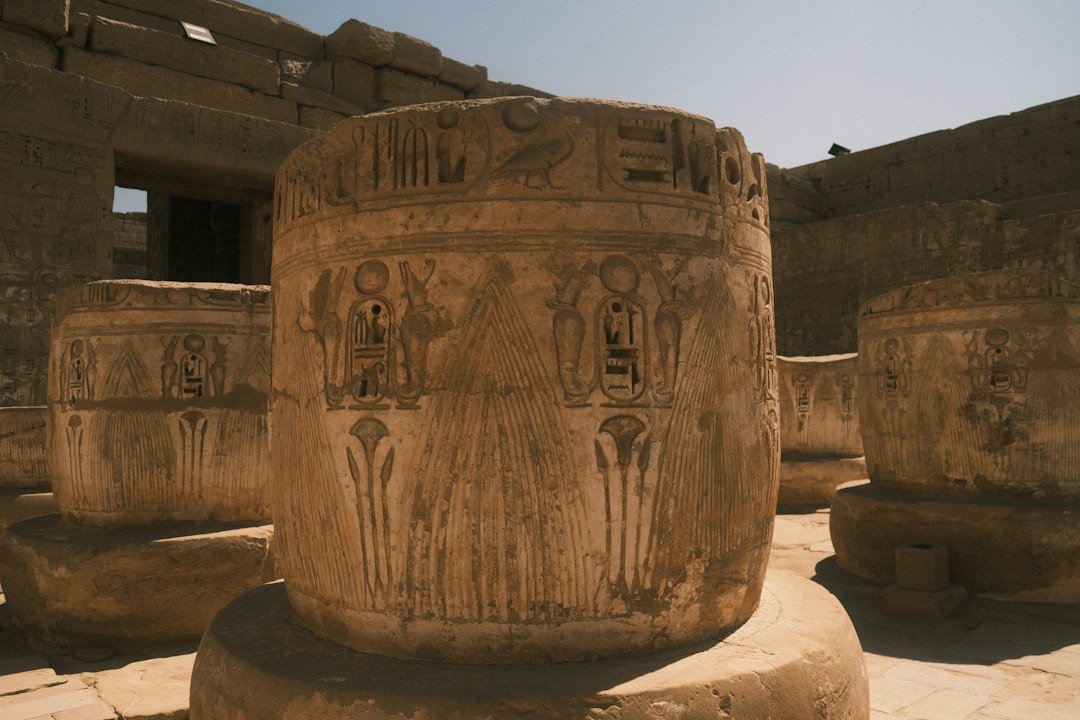
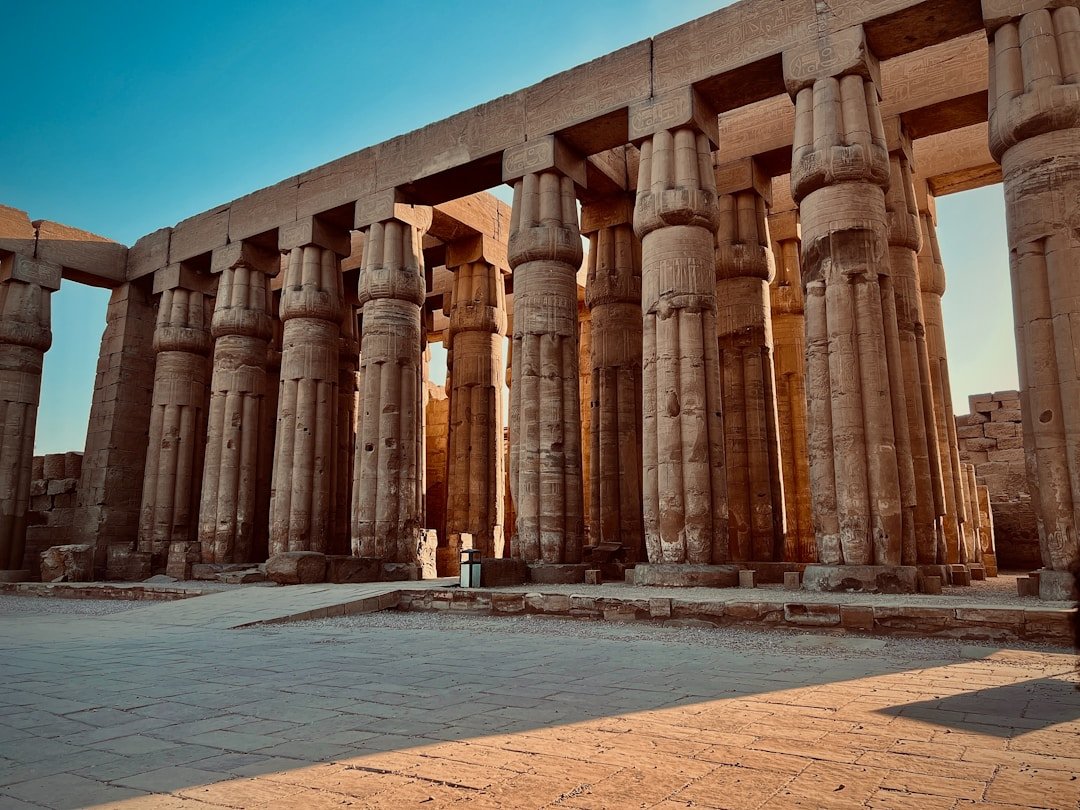
Moving through the complex, look for changes in light, scale and decoration. Open courts lead toward more enclosed areas, while columns and walls carry scenes of offerings, ceremonies and royal achievements. Take time to notice how the architecture guides movement: the temple was designed for ritual and procession, not simply for viewing from a single point.
Reliefs that tell a royal story
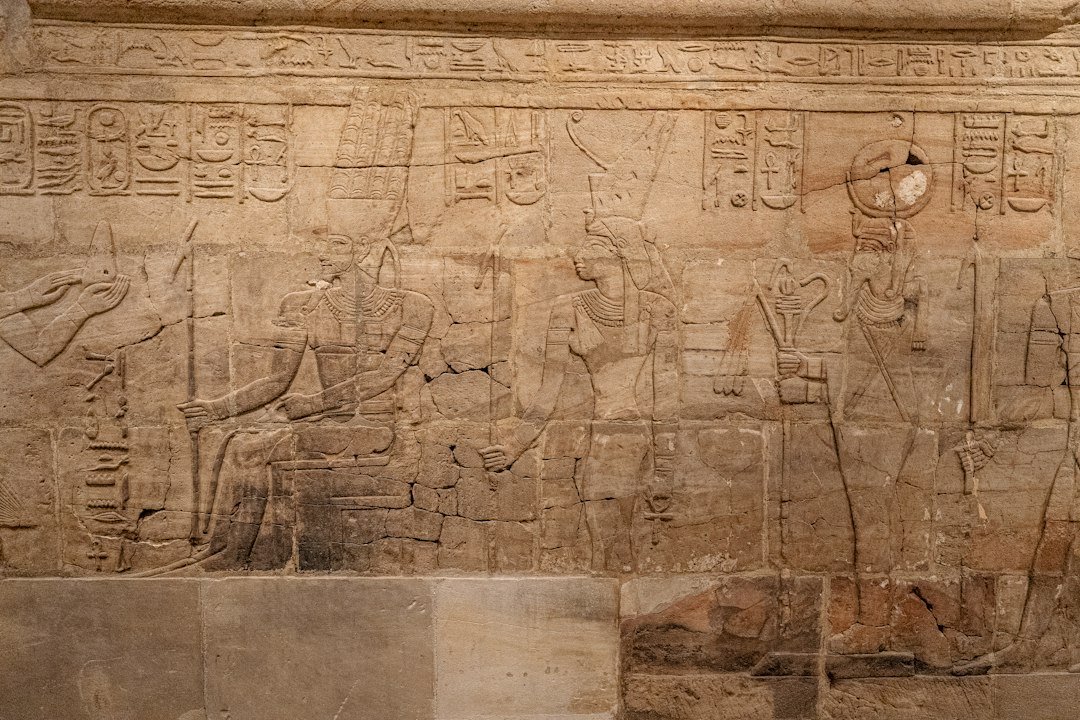
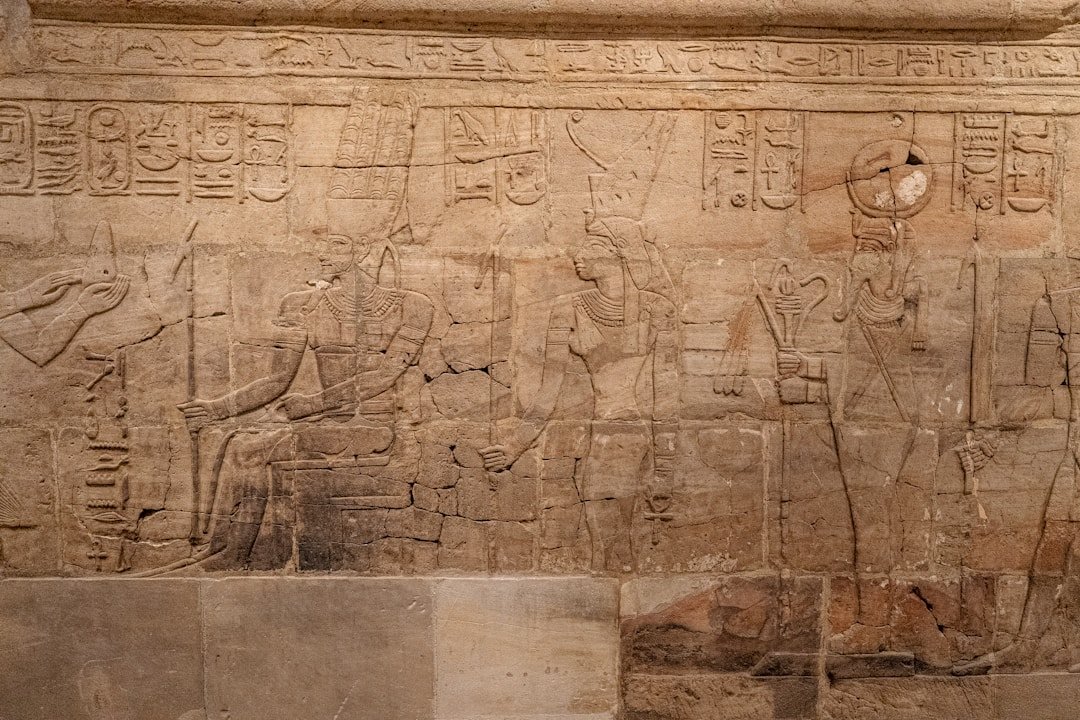
Medinet Habu is especially famous for its extensive reliefs. Battle scenes show the pharaoh in a commanding role, while other panels depict captives, processions, offerings and divine figures. The images communicate a political and religious message: the king protects Egypt and sustains the order established by the gods.
Look closely at the carving techniques, repeated figures and hieroglyphic inscriptions. Even when you cannot read every text, the composition reveals how artists organized a story across the wall. The reliefs are also a reminder that temple decoration was once painted; the stone surfaces we see today are only part of the original visual experience.
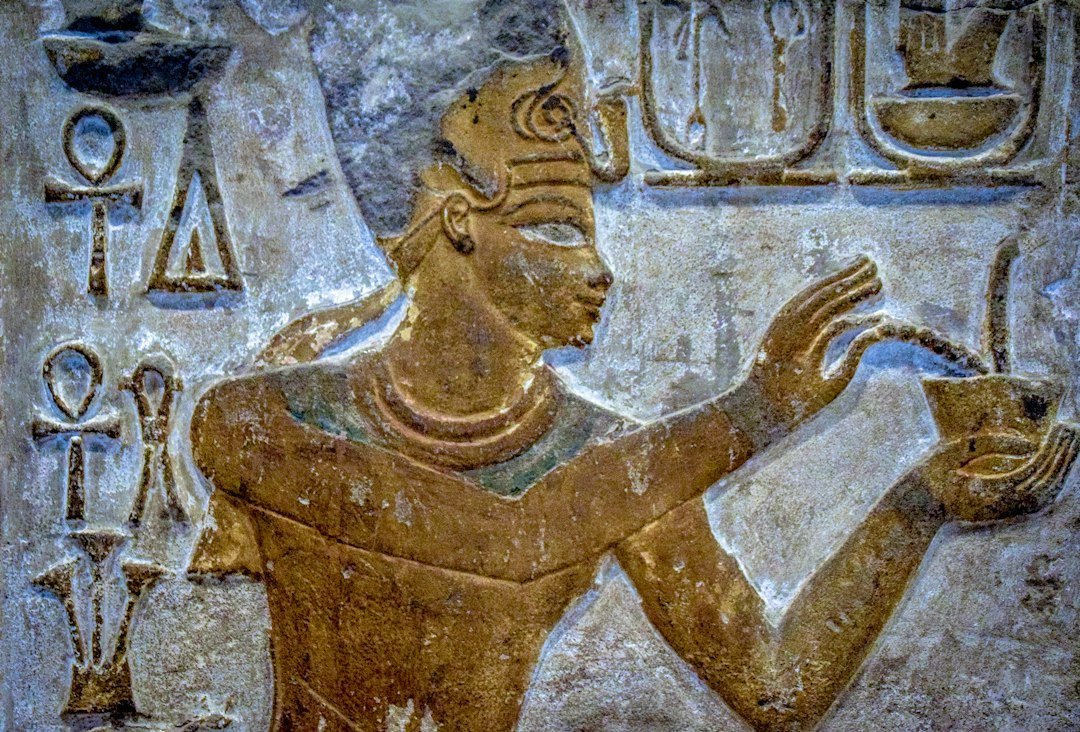
Why Are the Sea Peoples Reliefs Important?
The Sea Peoples are a modern collective label used for several groups named in Egyptian and other eastern Mediterranean sources. During the late Bronze Age, conflict and migration affected multiple kingdoms and communities. Ramesses III’s inscriptions describe Egypt resisting attacks and present the king as the defender of the land.
Because the surviving evidence is incomplete and comes from different places and traditions, scholars do not agree on one simple explanation for who all these groups were or what caused the upheavals. Medinet Habu remains essential because its inscriptions and images preserve one of the most detailed Egyptian accounts of these conflicts.
How to Visit Medinet Habu
Medinet Habu lies on Luxor’s West Bank, in the area associated with the ancient Theban necropolis. Many visitors combine it with other West Bank sites, but distances between monuments can be greater than they appear on a map. A private driver or organized tour can make it easier to plan the route and avoid unnecessary backtracking.
- Allow enough time: Around one to two hours is a useful starting point for a first visit, longer if you enjoy inscriptions and architectural details.
- Choose comfortable footwear: Expect uneven surfaces and plenty of walking, often in direct sun.
- Bring water and sun protection: Shade can be limited in open courts.
- Check current access details: Opening times, ticket arrangements and access rules can change, so confirm locally before setting out.
- Consider a guide: A knowledgeable Egyptologist or local guide can explain the reliefs and help distinguish historical evidence from royal symbolism.
What Can You Combine With Medinet Habu?
If you have time for a fuller West Bank day, consider pairing Medinet Habu with the Valley of the Kings, the Temple of Hatshepsut or the Colossi of Memnon. Confirm the route and the opening status of each site before travelling; the best order depends on your start time, transport and interests.
Why Medinet Habu Matters
Medinet Habu is among the most informative temple sites for understanding Ramesses III and the final centuries of the New Kingdom. Its architecture helps visitors imagine the scale of royal religious institutions, while its inscriptions preserve a vivid, if politically shaped, account of conflict and kingship. The complex rewards slow looking: a gateway, a column or a line of hieroglyphs can reveal another layer of how ancient Egypt represented power and divine protection.
Frequently Asked Questions
Who built Medinet Habu?
The main mortuary temple was commissioned by Ramesses III, a pharaoh of Egypt’s 20th Dynasty.
What is Medinet Habu famous for?
It is known for its well-preserved temple architecture, monumental entrance and extensive reliefs, including scenes connected with Ramesses III’s conflicts with the Sea Peoples.
Who were the Sea Peoples?
The term refers to groups named in ancient sources from the eastern Mediterranean. Their identities and origins remain debated, and the Egyptian reliefs show the royal interpretation of the conflict.
How long should I spend there?
Plan roughly one to two hours for a first visit, allowing more time if you want to study the reliefs or explore at a slower pace.
Can I visit Medinet Habu with other Luxor West Bank sites?
Yes. It can be combined with other monuments and tomb areas, but plan transport and timings in advance because the sites are spread across the West Bank.
EXPLORE ANCIENT EGYPT
Premium Booking: Explore Luxor and Egypt
Make your visit easier by planning your stay, transport and experiences ahead of time.
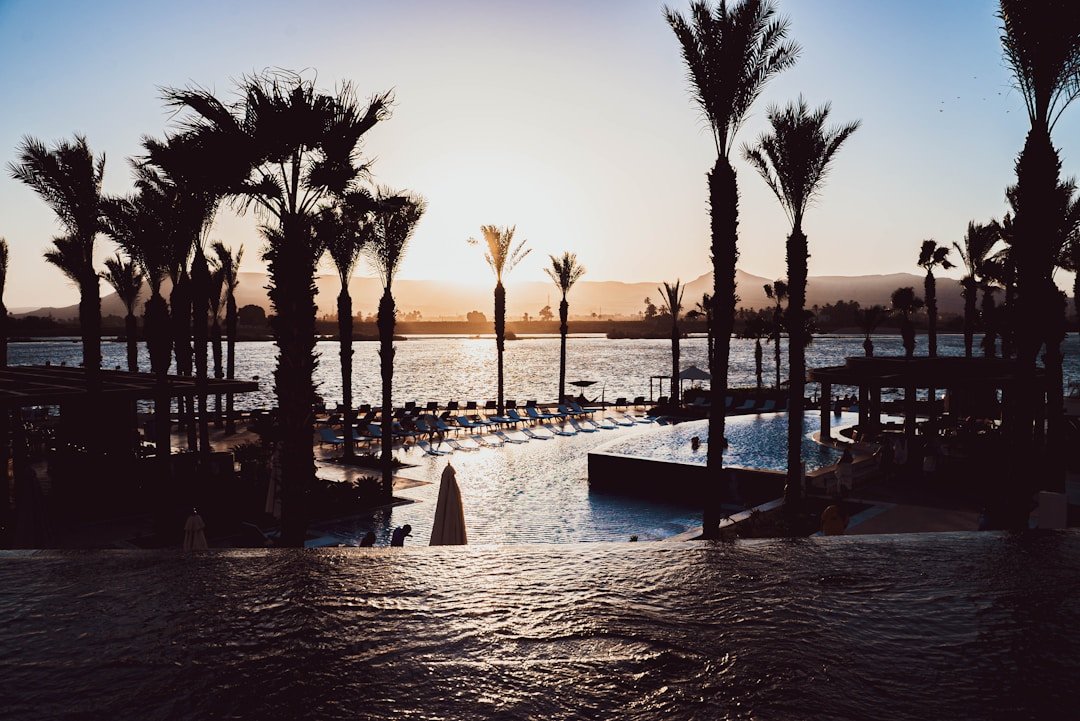
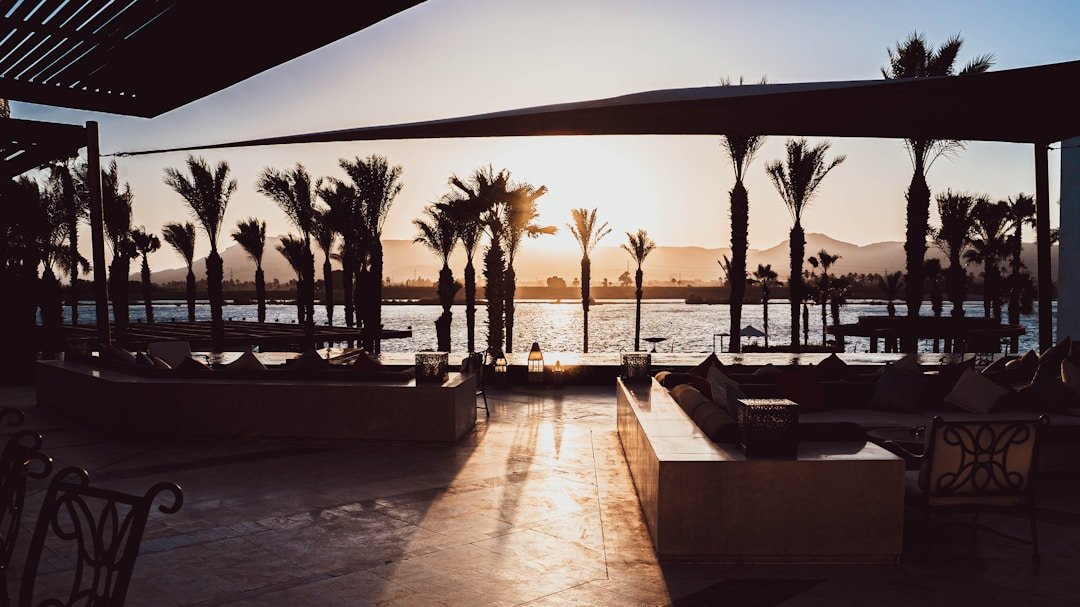
Villas & Apartments in Luxor
Consider extra space and a more independent stay.
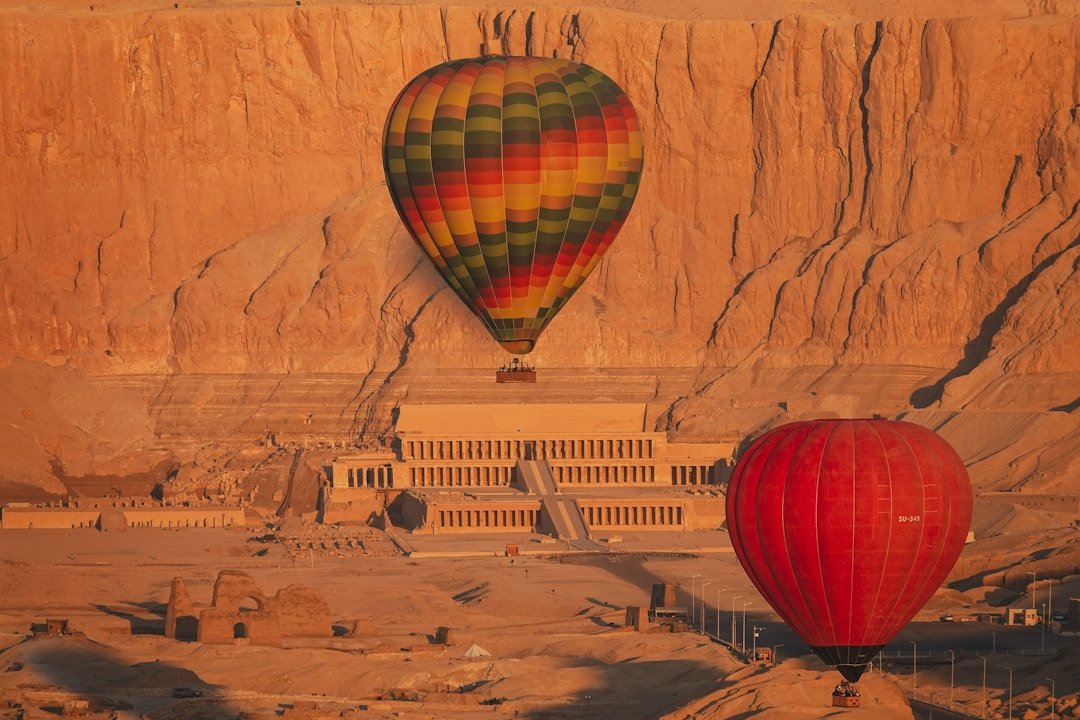
Hot Air Balloon
See the landscapes around Luxor from above on a sunrise flight.
Local Egypt Guide
Get more context from a guide who can bring the monuments to life.
Egypt Travel Experience
Discover activities and experiences to add to your itinerary.
Private Egypt Tours
Explore with a flexible itinerary built around your interests.
Check details, availability and current terms directly on the booking pages before confirming plans.