Nefertiti's Lost Tomb: The Search That Still Has No Answer
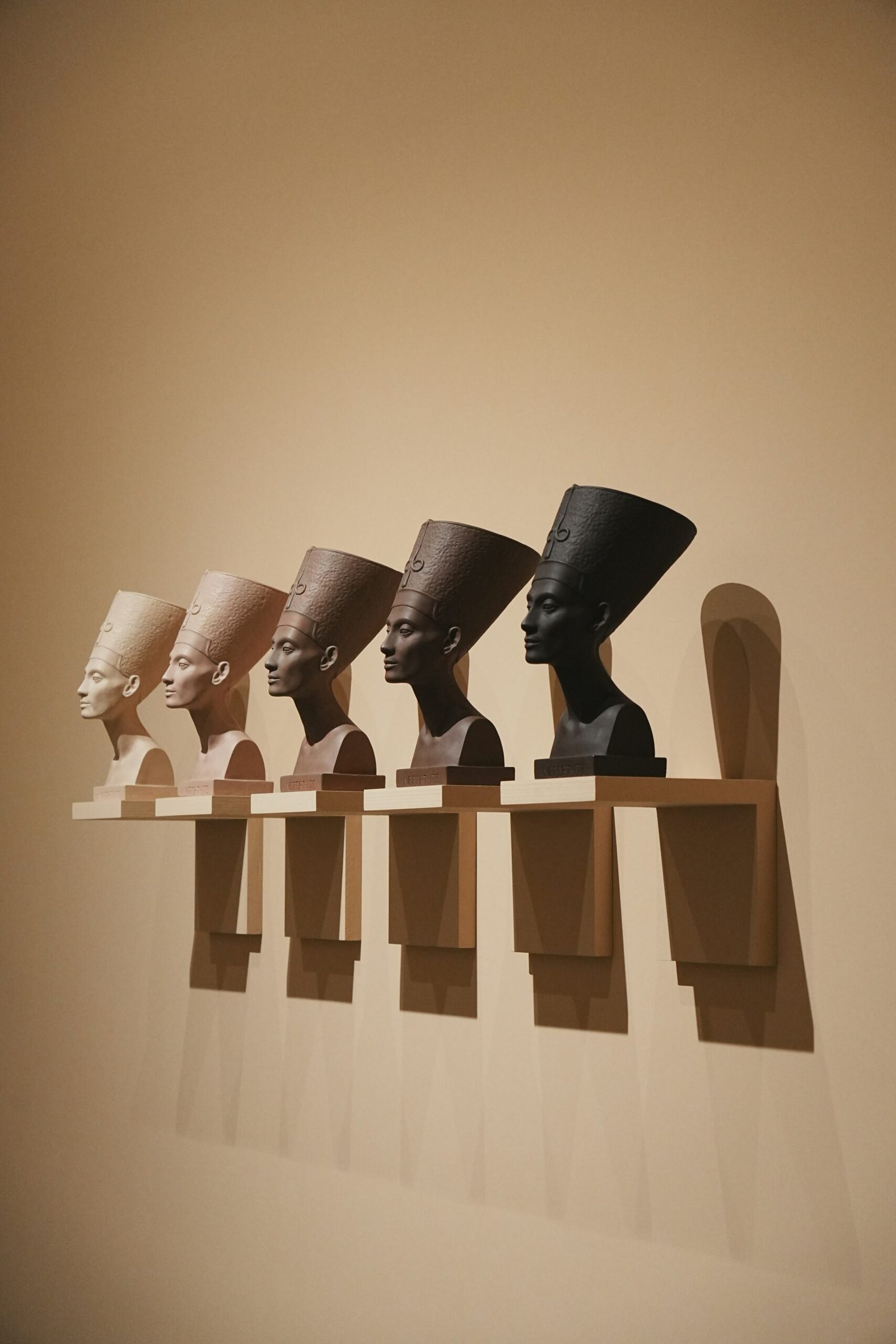
Nefertiti remains one of ancient Egypt's most recognizable queens, yet one of the simplest facts about her is also the most frustrating: her tomb has never been securely identified.
Her disappearance from the archaeological record is especially striking because the Amarna period left an unusually rich record of royal images, inscriptions, and monuments. Nefertiti appears beside Akhenaten with a prominence rarely granted to a queen. Then, near the end of the period, she fades from view.
A Queen at the Center of the Amarna Revolution
Nefertiti was the Great Royal Wife of Akhenaten, the king who introduced a radical religious and political program centered on the Aten. The royal family moved to Akhetaten, modern Amarna, where new temples, palaces, and tombs reshaped the landscape.
What makes Nefertiti unusual is how often she appears in the public religious imagery of the period. Reliefs show her beside Akhenaten in ceremonies and sometimes in poses associated with royal authority. These scenes do not prove that she became pharaoh, but they demonstrate that her role was far more visible than that of a conventional royal consort.
Then Nefertiti Disappeared
The historical record becomes difficult near the end of Akhenaten's reign. Nefertiti stops appearing in securely dated evidence, and later Egyptian history does not provide a clear account of her death or burial.
Several explanations have been proposed. She may have died before Akhenaten, adopted another royal identity, or remained influential under a different name. Some scholars have connected her with the ruler Neferneferuaten, but the identification remains debated.
This uncertainty is important. Nefertiti's story is often presented online as if every gap has a dramatic answer. Archaeology does not give us that certainty yet.
The Search for Her Tomb
The obvious place to look is the royal landscape of the Amarna period. Royal tombs were prepared in the cliffs around Akhetaten, and the unfinished Royal Tomb provides evidence for how the ruling family intended to use the site.
But the disappearance of the Amarna court created a second possibility: Nefertiti's burial may have been moved when the royal center returned to Thebes and the traditional religious order was restored.
The KV62 Theory and Tutankhamun's Tomb
One of the most famous modern theories came from Egyptologist Nicholas Reeves, who argued that Tutankhamun's tomb, KV62, might conceal additional chambers behind its decorated walls. Reeves suggested that those spaces could contain the burial of Nefertiti.
Subsequent radar investigations produced conflicting interpretations. Some scans appeared to support the possibility of voids; later work did not provide a universally accepted confirmation of hidden chambers. The Nefertiti-in-KV62 idea therefore remains a hypothesis, not an archaeological fact.
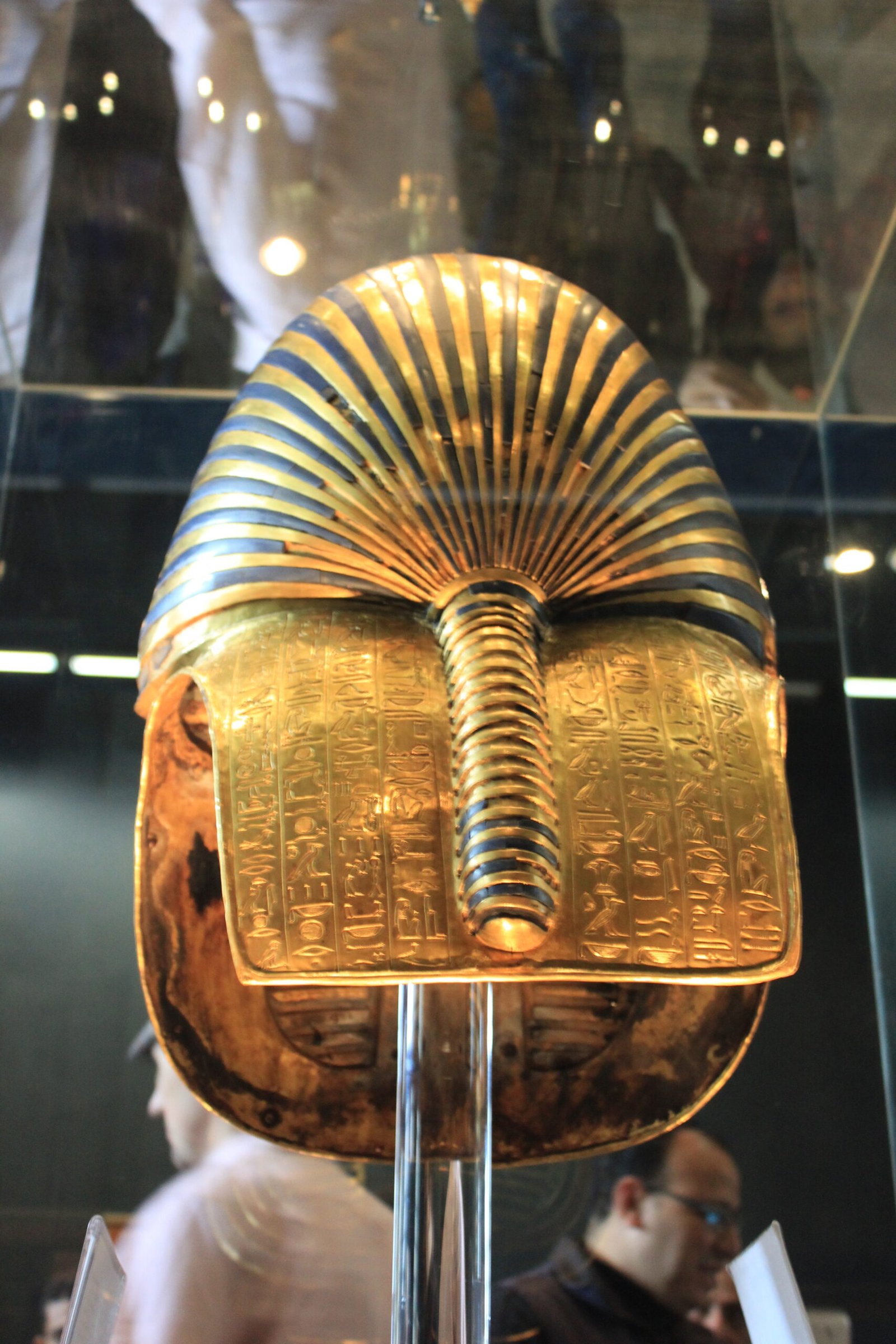
The connection is still fascinating because Tutankhamun himself belongs to the same complicated royal transition. His tomb, discovered in 1922, preserves an extraordinary collection of material from the period in which Nefertiti's story becomes difficult to follow.
The Valley of the Kings Connection
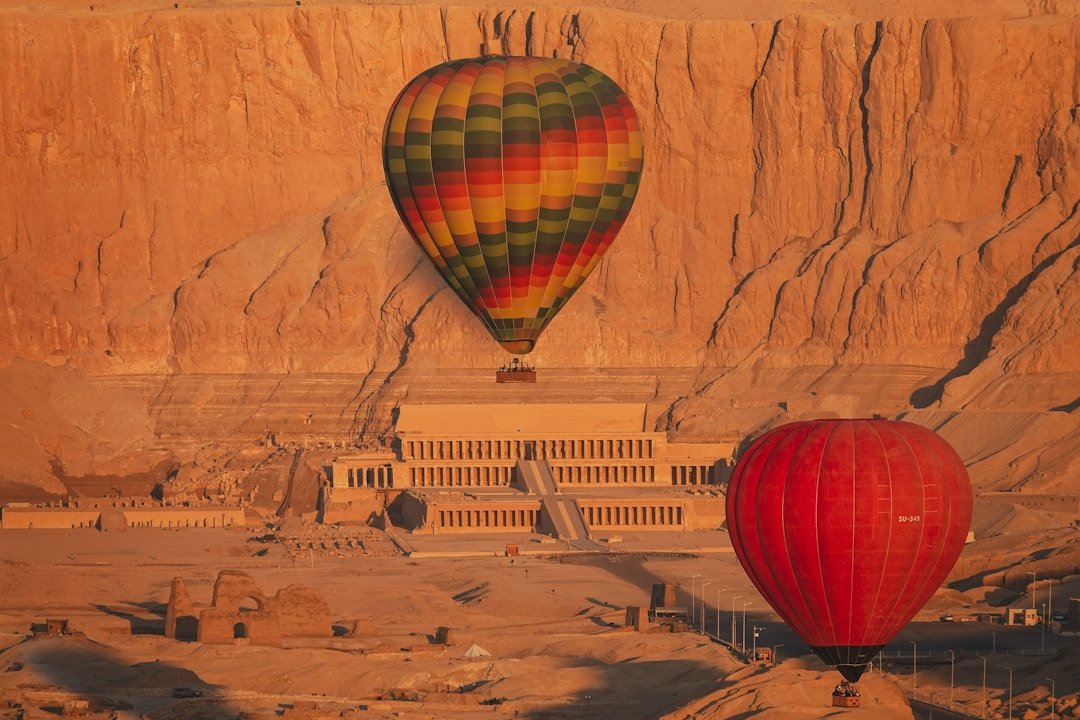
The search also reaches the Valley of the Kings, where several royal burials from the New Kingdom were discovered. The possibility that a royal burial was relocated to Thebes has kept Nefertiti connected to this landscape in archaeological discussion.
For travelers, this is where the story becomes tangible. A visit to Tutankhamun's story and the Valley of the Kings provides the physical landscape behind one of Egyptology's most persistent questions.
Why the Search Matters
Finding Nefertiti's tomb would not simply add another famous name to a museum label. A documented burial could clarify how she was identified at the end of her life, what titles she held, how the Amarna royal family was treated after Akhenaten, and how the restoration of traditional religion affected royal memory.
It could also help separate several competing identities from the late 18th Dynasty. That period includes Akhenaten, Nefertiti, Smenkhkare, Neferneferuaten, and Tutankhamun, and the evidence does not always allow modern historians to draw simple lines between them.
What Visitors Can Explore Today
Nefertiti's tomb remains unknown, but her world can be explored through surviving monuments and collections. Amarna offers the landscape of Akhenaten's experiment, while Luxor and the Valley of the Kings reveal the Theban setting that became central again after the Amarna period.
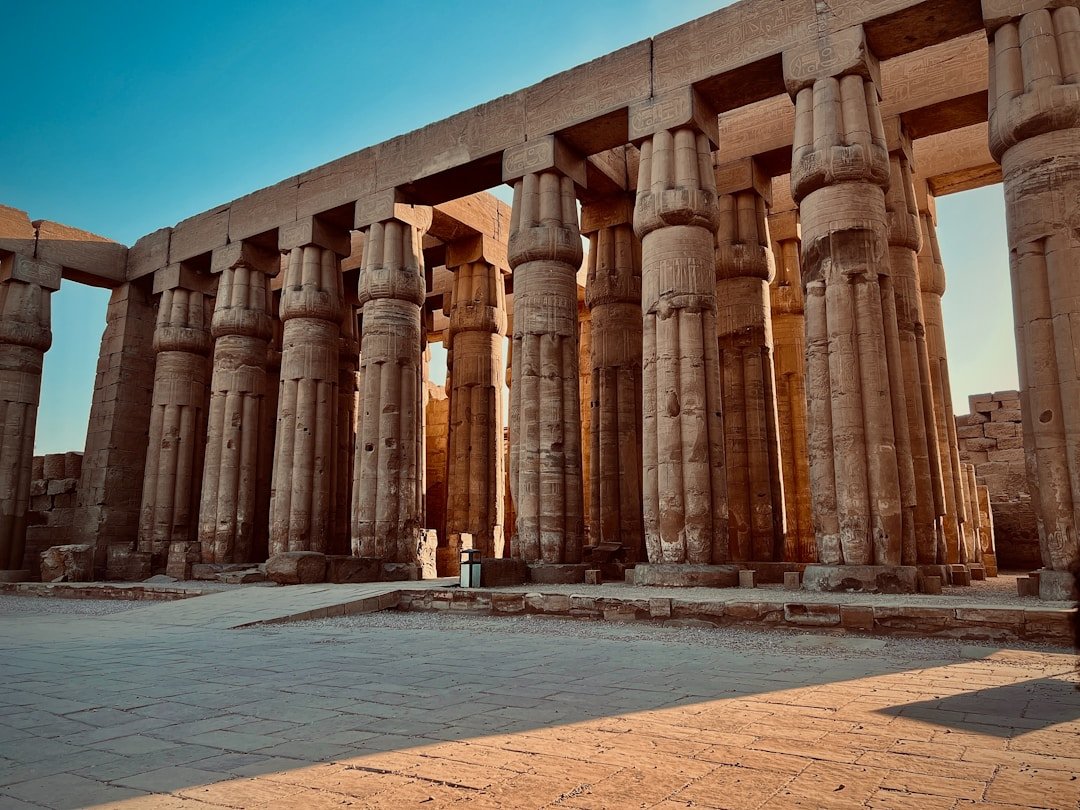
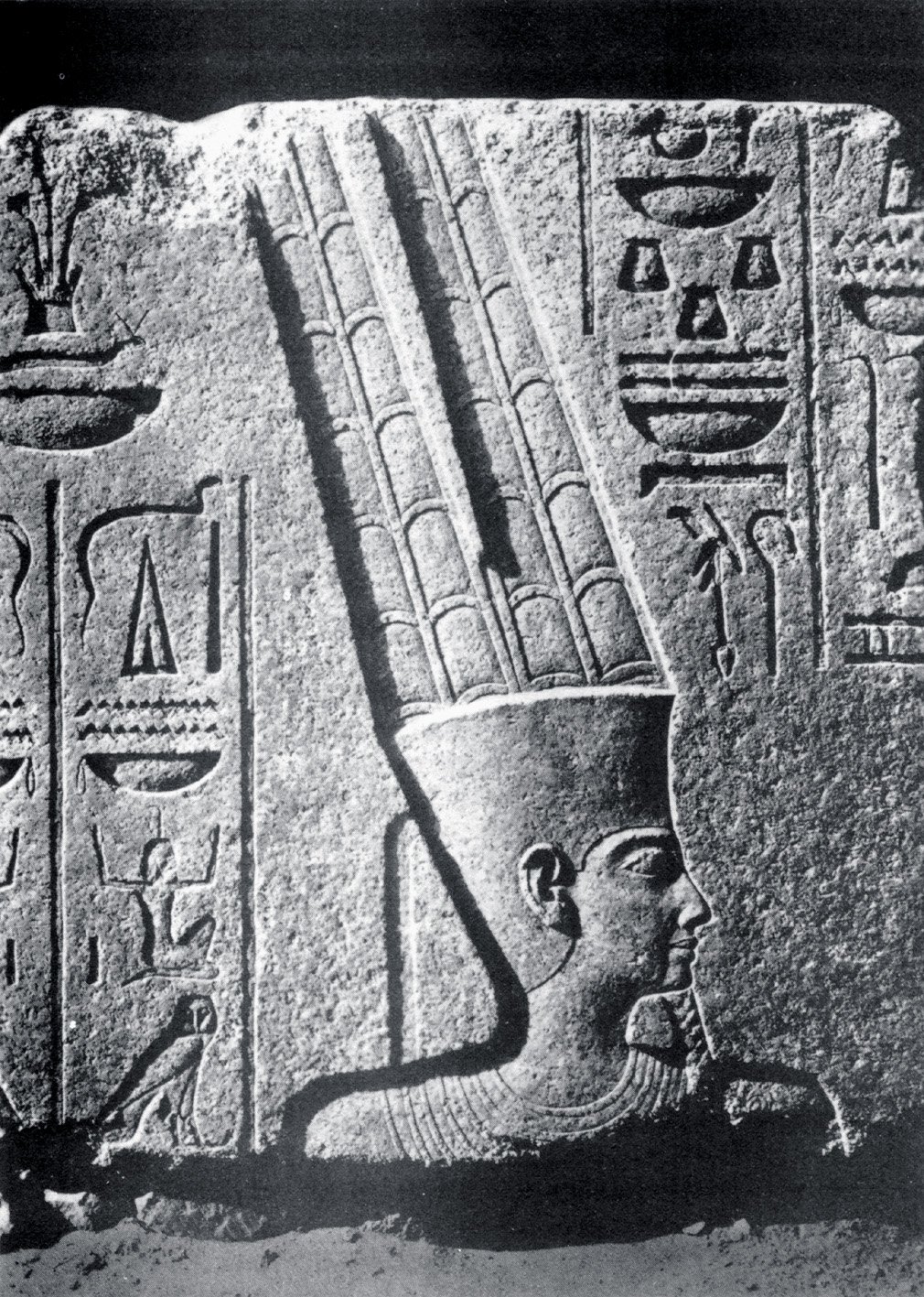
In Luxor, Karnak Temple helps explain the importance of Amun and the traditional religious institutions that returned to prominence. Luxor Temple provides another view of New Kingdom kingship and the sacred landscape of Thebes.
Explore More of Ancient Egypt
Plan Your Egypt Journey
Build your itinerary around the temples, tombs, museums and landscapes that bring ancient Egypt to life.

Luxor Hotels
Stay close to Karnak, Luxor Temple and the ancient landscape of Thebes.
BOOK LUXOR HOTELS →
Villas & Apartments
Choose a private stay for longer visits, families or independent travel.
BOOK VILLA OR APARTMENT →