Djoser and the Step Pyramid at Saqqara
On the desert plateau of Saqqara, south of Cairo, a six-stepped monument rises above one of the largest ancient cemeteries in Egypt. The Step Pyramid of Djoser is more than an early pyramid: it is the architectural experiment that transformed royal burial in Egypt and helped launch the great pyramid-building tradition of the Old Kingdom.
Built during the Third Dynasty, probably in the twenty-seventh century BC, the monument was created for King Djoser, also known as Netjerikhet. Its architect, the brilliant official Imhotep, transformed an earlier mastaba into a monumental complex built largely in limestone.
More than four thousand years later, the Step Pyramid remains one of the most important monuments in the history of Egyptian architecture.
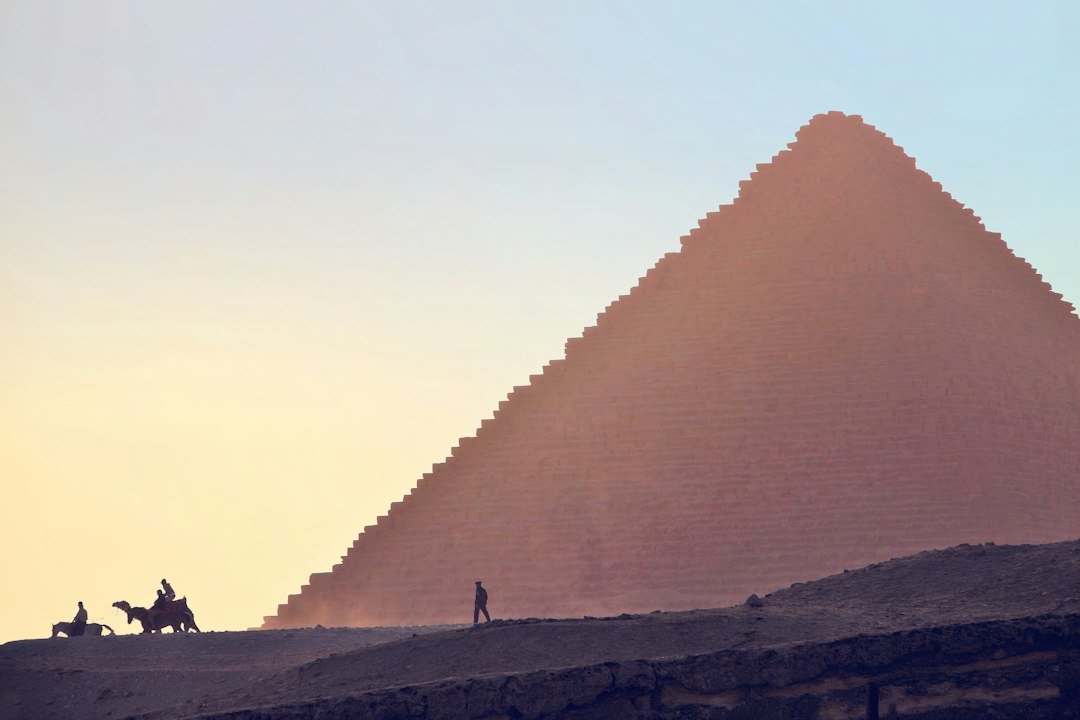
From Mastaba to Step Pyramid
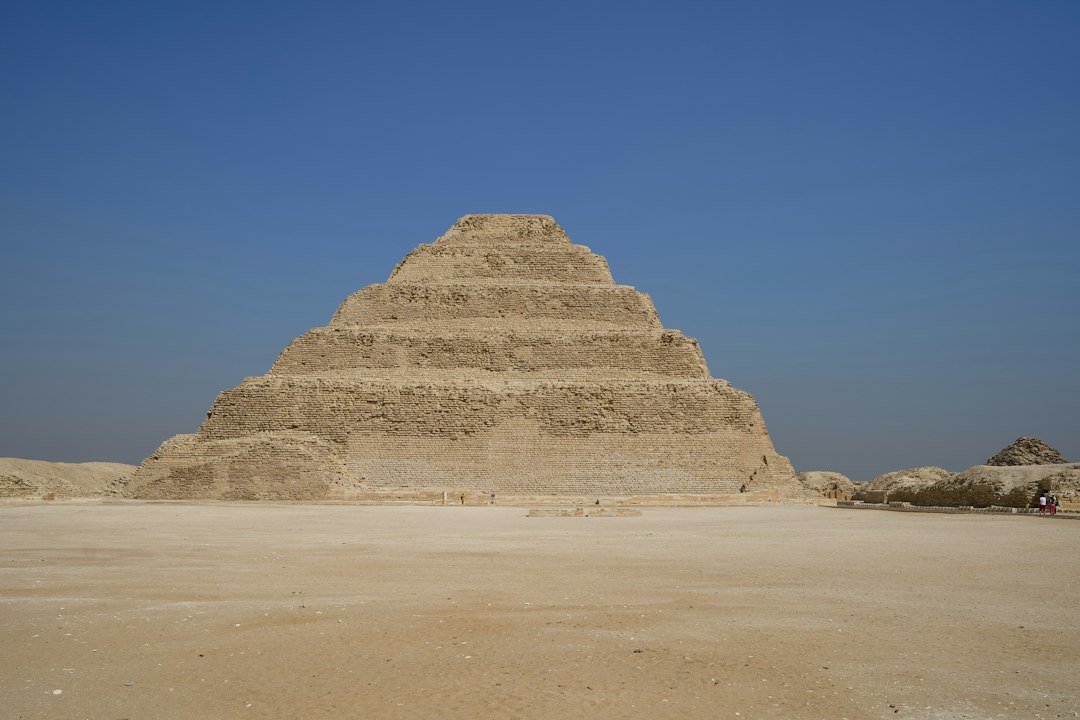
The Step Pyramid did not begin as the six-level monument seen today. The original structure was a large rectangular mastaba, similar in basic form to the royal tombs that came before it. The building was enlarged repeatedly, first horizontally and eventually upward, producing six progressively smaller stages.
The finished pyramid reached about 60 metres in height and was originally covered with smooth white Tura limestone. Much of that outer casing has disappeared, leaving the rougher core visible today.
This transformation was revolutionary. Earlier royal monuments had relied heavily on mud brick and relatively limited stone construction. At Saqqara, stone became the dominant material for an enormous architectural complex designed to endure for eternity.
Imhotep and the Birth of Monumental Stone Architecture
The man most closely associated with the project was Imhotep, one of Djoser’s highest officials. Centuries after his lifetime, he was remembered as a great sage and was eventually worshipped as a deity associated with wisdom and healing.
At Saqqara, his achievement was architectural as much as technical. Instead of simply building a larger mastaba, the designers developed an enormous stone complex that reproduced architectural forms that had previously been made from more temporary materials. Columns, doorways, panels and symbolic buildings were translated into limestone.
This idea became enormously influential. The pyramids of the Fourth Dynasty, including the pyramids of Sneferu and the Great Pyramid of Khufu, belong to the architectural tradition that began with experiments such as Djoser’s Step Pyramid.
Inside the Step Pyramid Complex
The pyramid stands at the centre of a vast rectangular enclosure surrounded by a monumental limestone wall. The enclosure contains ceremonial buildings, courtyards and symbolic structures.
A single functioning entrance leads through the famous colonnaded corridor. Other gateways were deliberately designed as false or symbolic entrances, reinforcing the idea that this was a sacred royal landscape rather than an ordinary cemetery.
Beneath the pyramid lies an extensive underground system of shafts, galleries, chambers and passages. The burial chamber was positioned deep below ground, while other rooms were decorated with blue faience elements and reliefs connected with the king’s eternal existence.
The Heb-Sed Festival and the Meaning of the Complex
The Step Pyramid complex was not simply a place where Djoser’s body was buried. Its courts and symbolic buildings appear to have been connected with the Heb-Sed, the royal jubilee ceremony through which a pharaoh renewed his authority and demonstrated continued strength.
The architecture recreated elements of a ceremonial landscape in permanent stone. The king could therefore symbolically continue the rituals of kingship forever.
The House of the North and House of the South
Among the symbolic buildings within the enclosure are structures known as the House of the North and House of the South. Their exact ritual functions remain debated, but they are widely understood to relate to the two traditional parts of the Egyptian state: Upper Egypt and Lower Egypt.
Saqqara After Djoser
Saqqara continued to develop into one of Egypt’s most important burial grounds for thousands of years. Nearby are the pyramid of Unas, early Pyramid Texts, richly decorated private tombs such as Mereruka, and the Serapeum associated with the sacred Apis bulls.
Rediscovery and Restoration
By the modern period, much of the complex had been damaged by time, earthquakes, weathering and centuries of exposure. Archaeological investigations gradually revealed its scale and underground architecture. Extensive conservation has focused on stabilising the pyramid, restoring sections of the enclosure and protecting the monument from structural deterioration. Access to particular areas can change according to conservation work.
What to See at Saqqara
Visiting Saqqara Today
Saqqara is located roughly 30 kilometres south of central Cairo and is usually visited by road from Cairo or Giza. Because the archaeological area is extensive, it is worth planning more time here than a quick stop at the Step Pyramid alone.
A typical visit can combine the Step Pyramid with the Pyramid of Unas, nearby private tombs and the Serapeum, depending on which areas are open and how much time you have.
Early morning is generally the most comfortable time to explore the site, especially during Egypt’s hotter months. The desert offers limited shade, so comfortable footwear, water and sun protection are useful. Allow at least two to three hours for Saqqara if you want to explore beyond the pyramid itself.
Saqqara and the Birth of the Pyramid Age
The Step Pyramid came before the pyramids of Sneferu, the Great Pyramid of Khufu and the great royal cemetery at Giza. It demonstrated that enormous royal architecture could be built in stone and established the pyramid as a powerful expression of royal identity and the king’s journey into eternity.
Later architects refined the form. Sneferu’s builders experimented with increasingly smooth-sided pyramids, and Khufu’s architects eventually produced the Great Pyramid at Giza. But the first great leap had already taken place at Saqqara.
Why the Step Pyramid Still Matters
The Step Pyramid represents a moment when Egyptian architecture changed direction: from mastaba to stepped pyramid, from smaller-scale stone construction to monumental limestone architecture, and from a royal tomb to an enormous ritual complex.
Standing before it today, the visitor is looking at a monument from the very beginning of Egypt’s pyramid age. Giza may be larger and more famous, but Saqqara offers something different: the opportunity to see the architectural experiment that came before it.
How to Combine Saqqara With Other Ancient Sites
Saqqara works particularly well as part of a wider Memphis-area itinerary. Visitors can combine it with Memphis, Dahshur, Giza and other Old Kingdom sites to understand how Egyptian pyramid architecture evolved.
Plan Your Egypt Journey
Once you have explored Egypt’s ancient monuments, make the rest of your journey easier with carefully chosen stays, experiences, guides and tours.

Luxor Hotels
Stay close to Luxor’s temples, museums, the Nile and the ancient landscapes of Thebes.

Villas & Apartments in Luxor
Choose a more private stay for longer visits or travelers who want extra space.
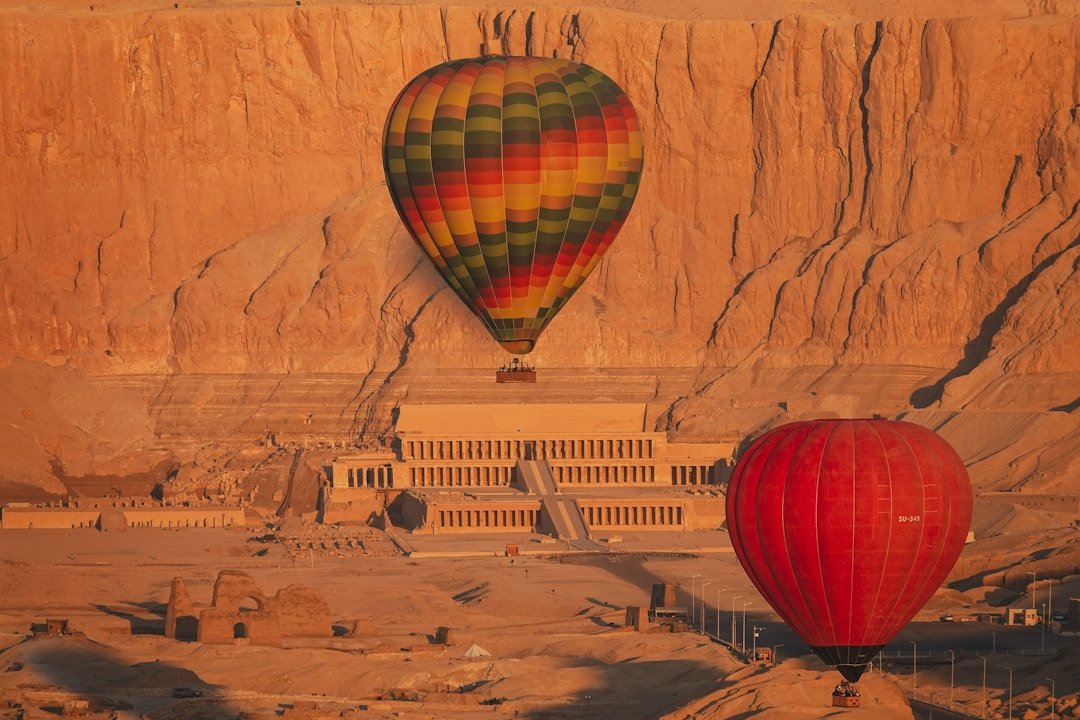
Hot Air Balloon Luxor
See Luxor’s ancient landscape from above on a sunrise flight.
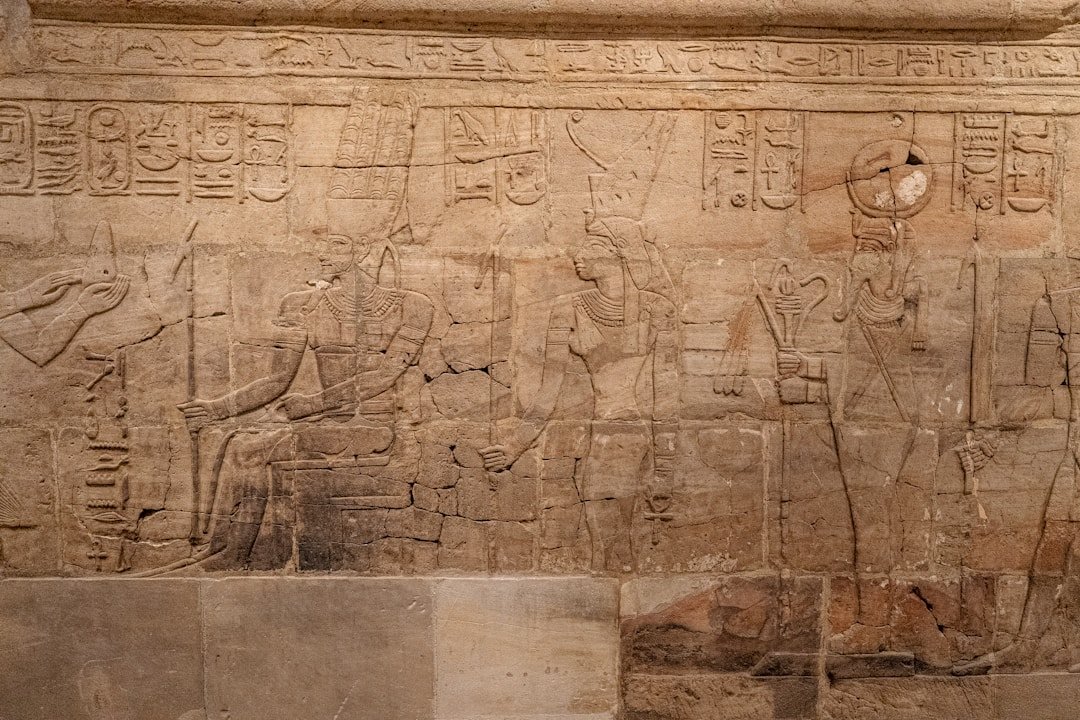
Local Egypt Guide
Connect with local guides who can add historical context to your sightseeing.

Nile Cruises
Discover Egypt from the Nile with cruise experiences connecting historic destinations.
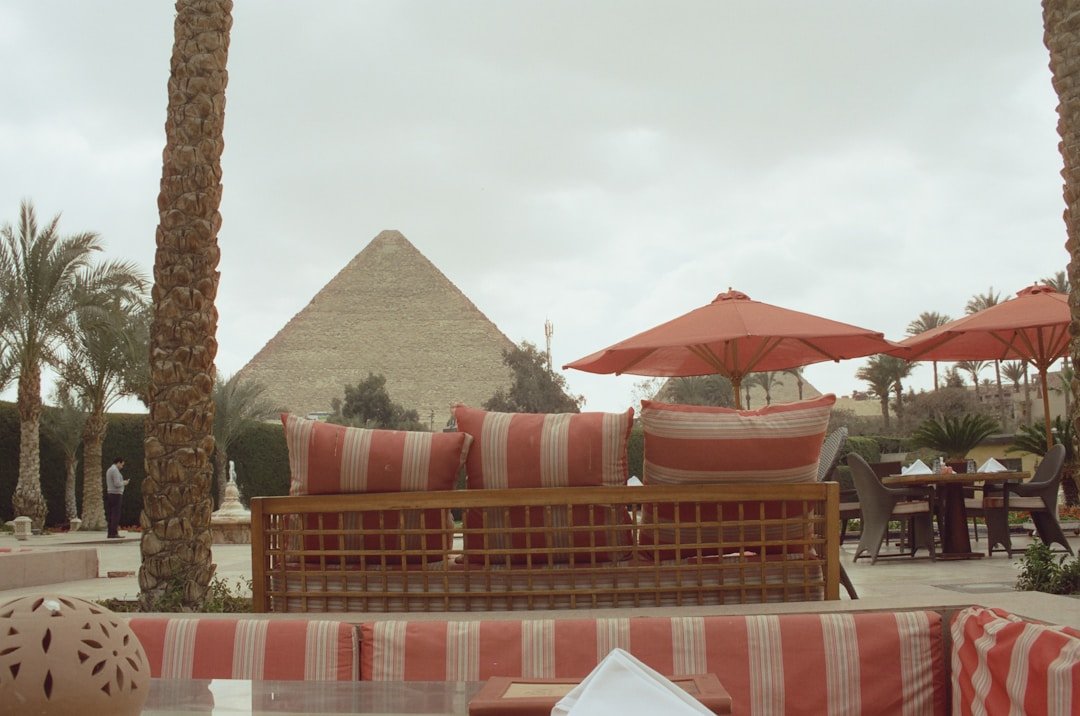
Egypt Hotels
Find accommodation across Egypt, from Cairo and Giza to historic destinations further south.

Egypt Travel Experience
Add memorable local experiences to your itinerary beyond the major monuments.
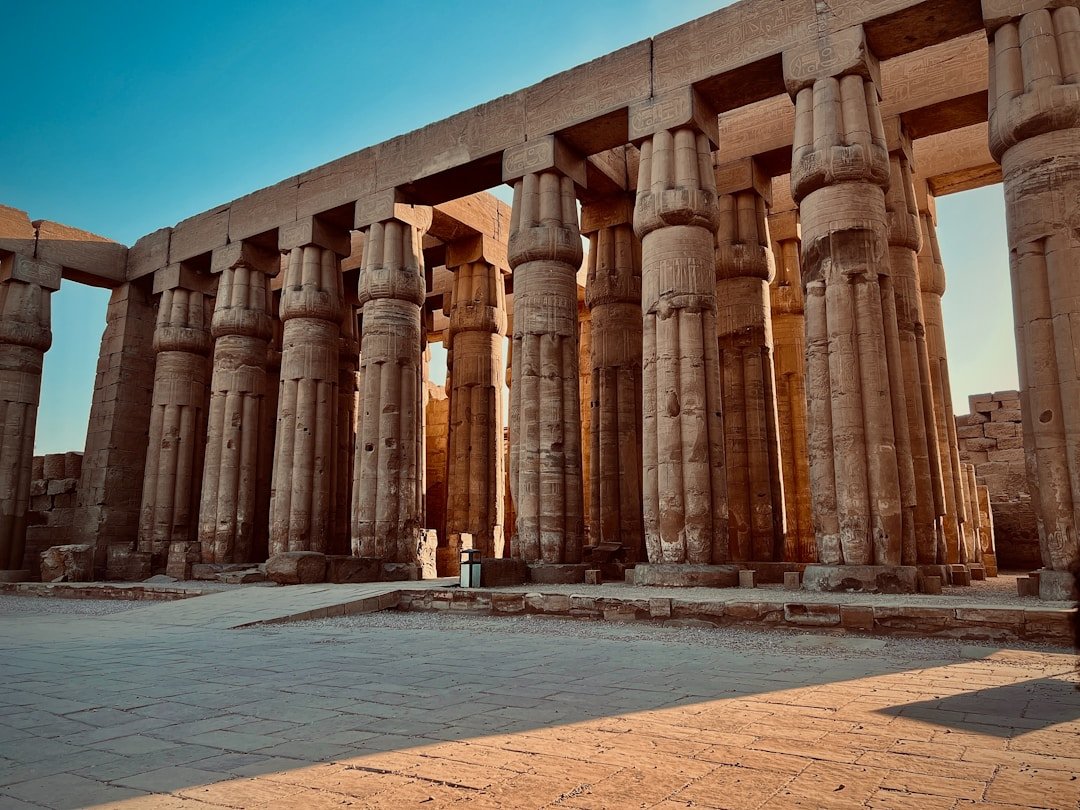
Luxor Tours
Explore temples, tombs and the ancient landscapes of Luxor with focused tours.
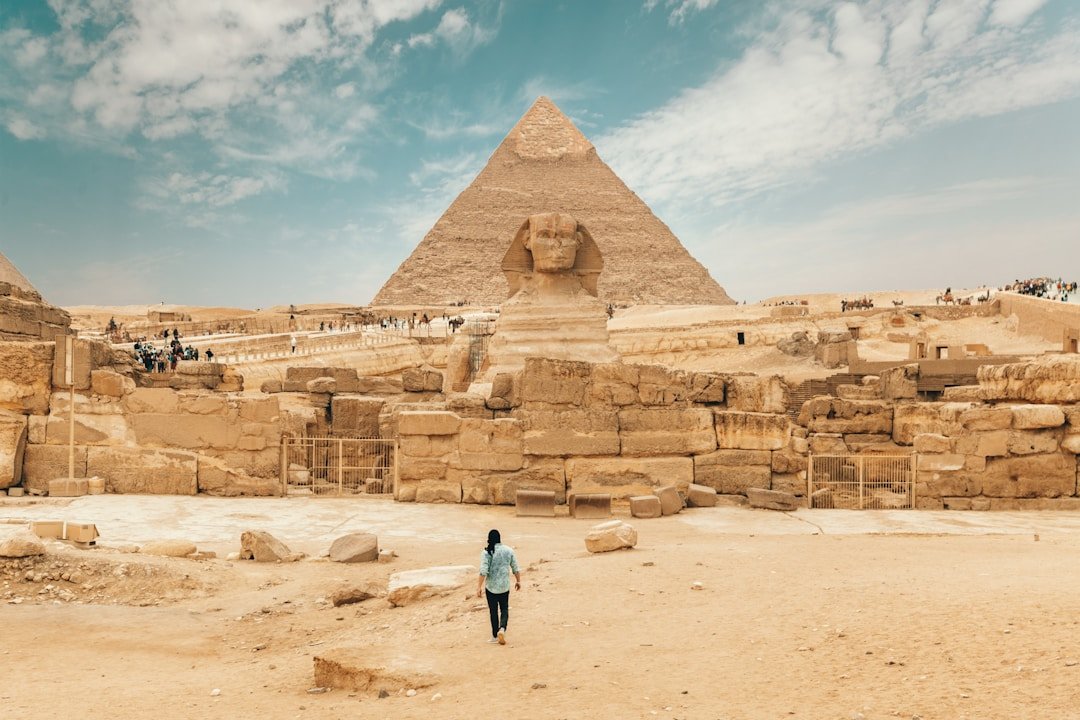
Egypt Tours
Explore Egypt with thoughtfully planned tours covering its major historical destinations.
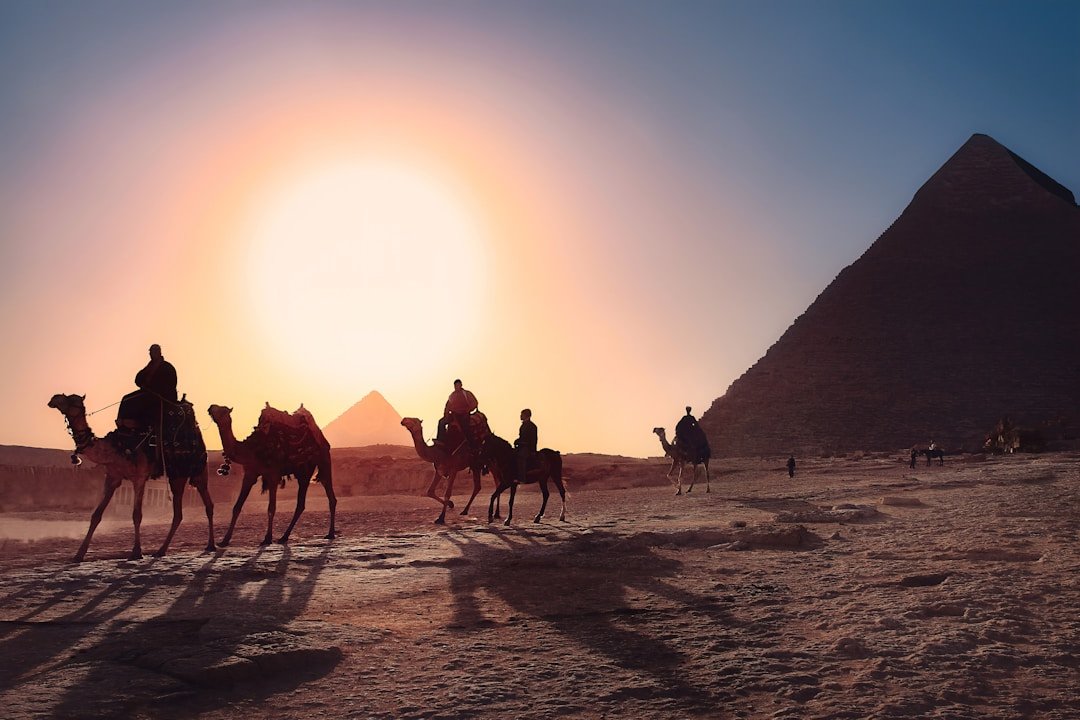
Private Egypt Tours
Travel at your own pace with private experiences built around your itinerary.
Explore More of Ancient Egypt
Frequently Asked Questions
Who built the Step Pyramid?
The Step Pyramid was built for King Djoser of the Third Dynasty. Imhotep is the official most closely associated with its design and construction.
Is the Step Pyramid the oldest pyramid in Egypt?
It is generally regarded as the earliest large-scale pyramid and the earliest monumental stone pyramid in Egypt. It is a stepped pyramid rather than the later smooth-sided form seen at Giza.
Why was the Step Pyramid built?
It was constructed as Djoser’s royal funerary complex and was designed to support the king’s eternal existence and his continuing role in the afterlife.
Can you go inside the Step Pyramid?
Access to underground areas can vary according to conservation and site conditions. Some sections have been opened to visitors after restoration, but availability should be checked before visiting.
How far is Saqqara from Giza?
Saqqara lies roughly 15–20 kilometres south of the Giza pyramid complex by direct distance, although the actual road journey is longer.
What else should I see at Saqqara?
The Pyramid of Unas, Pyramid Texts, private tombs such as Mereruka, and the Serapeum are among the most important additional sites.
Is Saqqara worth visiting if I have already seen the Giza Pyramids?
Absolutely. Giza shows the pyramid tradition at its monumental height, while Saqqara reveals where that tradition began.