Ancient Egypt • Ptolemaic Period • Qena
Dendera Temple: The Magnificent Temple of Hathor
Step beneath the faces of Hathor, look up at an extraordinary ancient sky, and explore one of Egypt’s most complete surviving temple interiors.
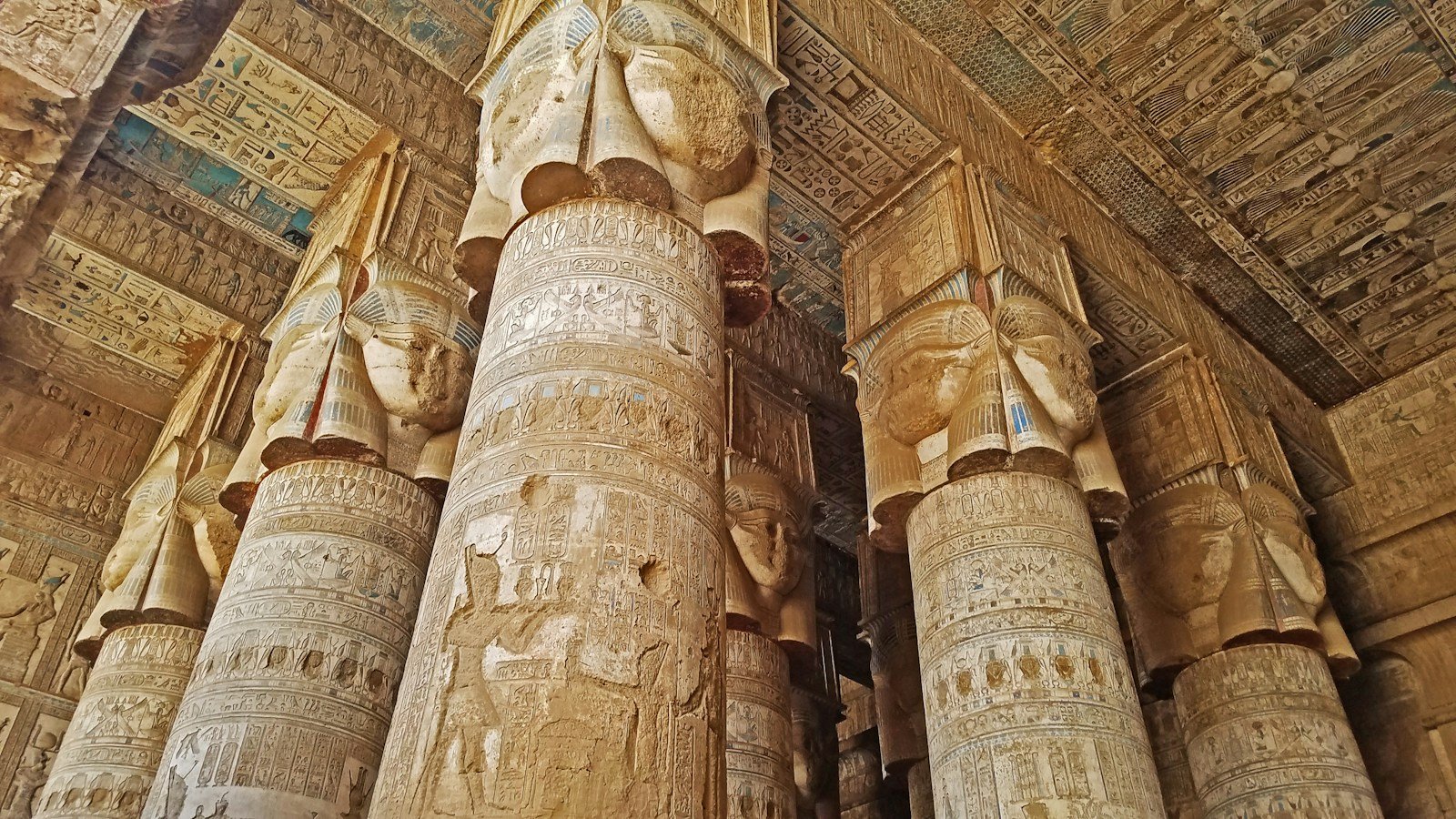
At Dendera, the ancient world does not feel distant or entirely lost. The faces of the goddess Hathor look down from towering columns; carved figures cover the walls; and above the great hall, an ancient vision of the heavens survives on the ceiling.
Located near Qena, north of Luxor, the Temple of Hathor is one of the best-preserved temple complexes in Egypt. Much of the main building took shape during the Ptolemaic period, with construction and decoration continuing under Roman rule. Although it is later than many famous monuments of the Old and New Kingdoms, its design draws on religious traditions developed over thousands of years.
Dendera was a major center of worship for Ancient Egypt’s goddess Hathor, associated with music, joy, beauty, motherhood, the sky and care for the dead. Its preservation allows visitors to follow a sequence from the monumental entrance and columned hall toward the inner sanctuary, roof chapels and hidden crypts.
Who Was Hathor, and Why Was Dendera Her Sacred Home?
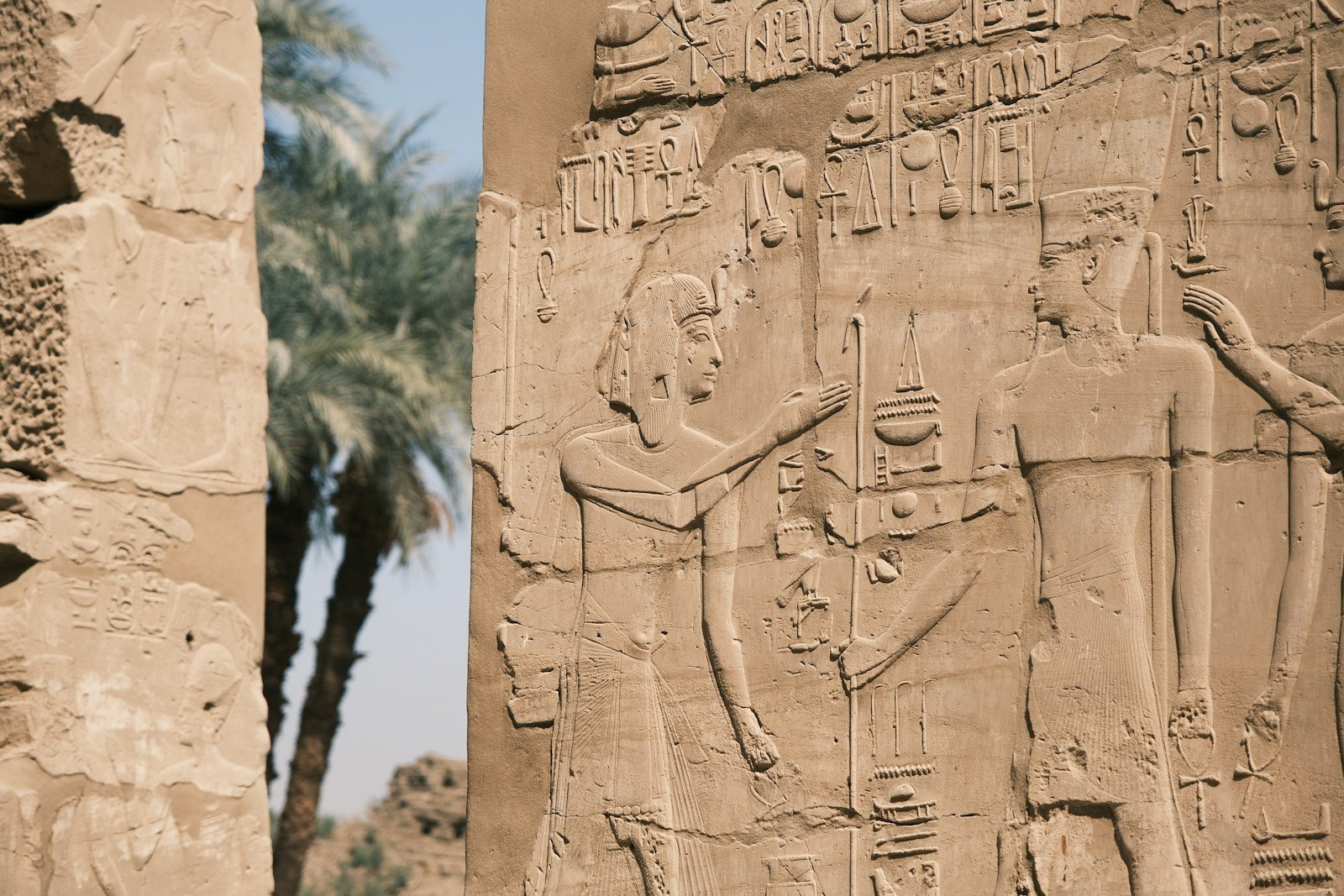
Hathor was one of the most widely loved goddesses in the Egyptian religious world. She could be gentle and nurturing, yet her mythology also gave her powerful and sometimes fearsome aspects. Music, dance, celebration, fertility and motherhood were among her associations, while her links to the sky and afterlife gave her a place in both everyday devotion and royal funerary belief.
At Dendera, Hathor was the principal deity. Priests maintained offerings and rituals, and festivals brought the goddess into the rhythms of the sacred calendar. She was closely connected with Horus of Edfu, and traditions about their divine union linked Dendera with another major temple farther south.
Read the temple as a religious complex rather than a stone museum. Its decoration presents a carefully ordered universe: the king makes offerings, the gods maintain cosmic balance, and the temple becomes a place where human and divine worlds meet.
The Facade and the Famous Hathor-Head Columns
The entrance facade is one of Dendera’s defining features. Massive columns carry a broad stone roof, and their capitals are shaped with the face of Hathor, shown frontally with a distinctive wig and the horns and sun disk associated with the goddess. She is not hidden away in the sanctuary; her face appears repeatedly in the very space through which visitors enter.
Look closely at the capitals and the details around them. The faces, musical sistrum-like elements and layers of carved decoration are not merely ornament. They identify the temple with Hathor and turn its architecture into an expression of her presence. The scale of the columns also changes the visitor’s sense of proportion, making the hall feel both sheltered and monumental.
Inside the Hypostyle Hall: A Stone Forest Beneath the Sky
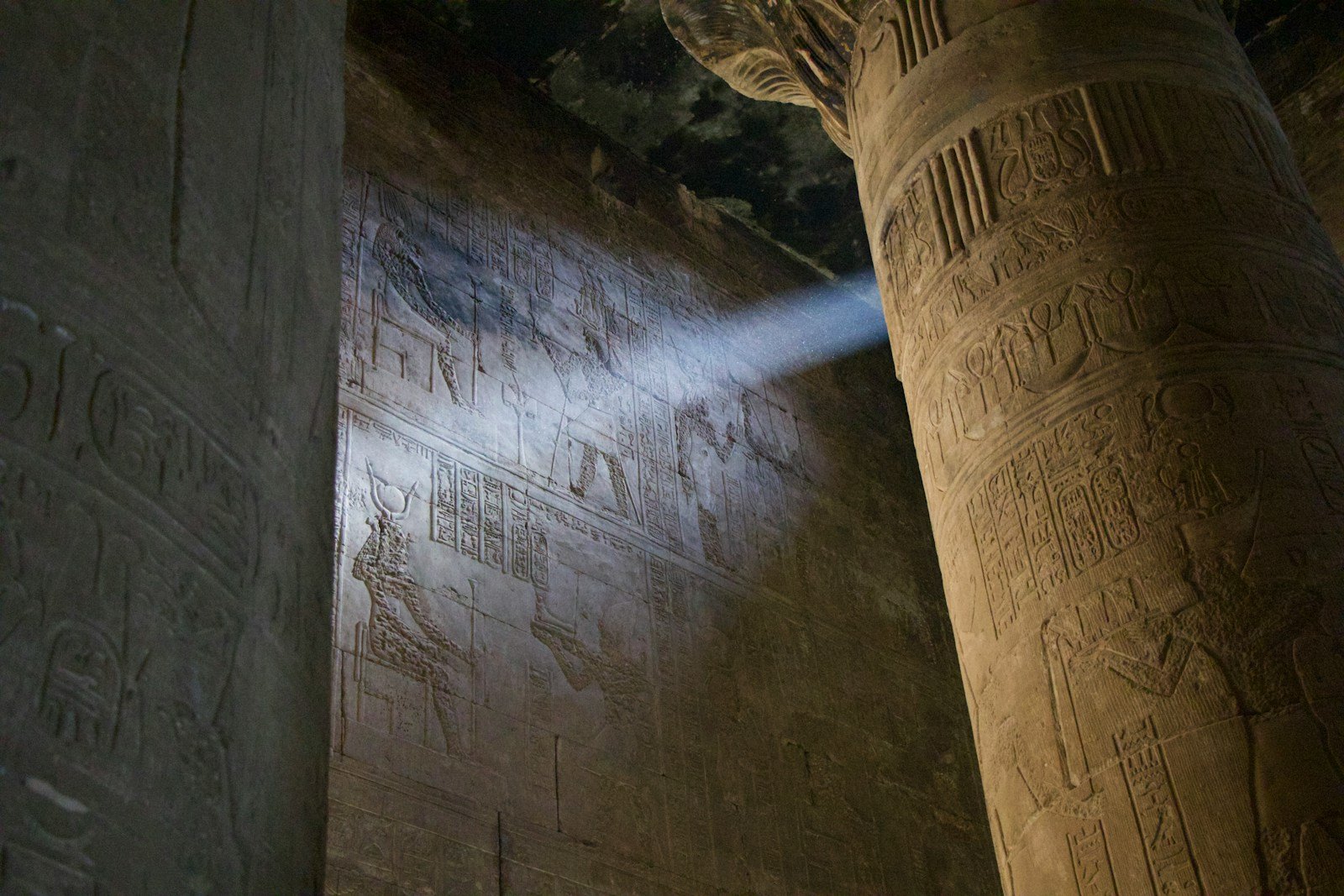
Beyond the entrance, the hypostyle hall is one of the most memorable spaces in the complex. Rows of columns support a ceiling covered with astronomical and religious imagery. The shift from bright outdoor light to the cooler, darker interior guides the visitor away from the public world and toward spaces associated with sacred knowledge and ritual.
The ceiling is especially important. Celestial figures, stars and astronomical scenes reflect an Egyptian understanding of the heavens as an ordered realm connected with time, divine power and the cycles of life. Some colors have survived, though the condition of each surface varies. Take time to look upward, but also notice the carved walls and the way columns frame the ceiling into visual fields.
The decoration reflects both ancient craftsmanship and modern conservation. Soot and other deposits accumulated on surfaces during later use, and restoration has helped reveal details that were once difficult to see. Protecting the fragile reliefs and colors remains essential.
The Dendera Zodiac: An Ancient Map of the Heavens
The Dendera Zodiac is among the site’s best-known treasures, but the original circular relief is no longer in the temple. It was removed in the nineteenth century and is now held by the Louvre in Paris; visitors at Dendera can see a replica in the relevant ceiling chapel.
The relief combines constellations and celestial symbols in a visual language shaped during Egypt’s Greco-Roman period, when Egyptian religious traditions interacted with ideas circulating across the eastern Mediterranean. It should not be reduced to a modern horoscope. The zodiac belongs to a wider sacred and astronomical setting concerned with the heavens, time and divine order.
When viewing the replica, consider both the imagery and its location. It formed part of a chapel within a temple dedicated to Hathor, not an isolated object made for display. Its modern story also raises questions about antiquities, collecting and the relationship between Egypt’s heritage and museums abroad.
Roof Chapels, Staircases and the New Year Festival
One of Dendera’s special features is the roof, reached by staircases decorated with scenes of ritual processions. The roof was not simply a place to look out over the landscape. Chapels and ceremonial spaces there were connected with festivals, including New Year observances in which the image of the goddess was ritually brought into contact with the sun’s rays.
These ceremonies expressed renewal: the goddess’s image, the sun and the changing cycle of the year were brought into a carefully staged relationship. The decorated stairways help visitors imagine priests carrying sacred images upward as part of a formal procession. Access to the roof or particular chapels may change according to conservation work and site arrangements, so confirm what is open when buying tickets.
Hidden Crypts and the Temple’s Sacred Treasures
Small crypts are built into parts of the temple, including spaces reached through narrow openings. These rooms were associated with storing and protecting sacred images, ritual equipment and valuable objects used in ceremonies. Their reliefs and restricted access reveal another side of temple life: not every part of the building was intended for general visitors, and some spaces were reserved for particular priestly activities.
Only selected crypts have been opened to visitors at different times. They can be low, tight and difficult to access, so follow site staff instructions and do not assume every chamber is available. If you are especially interested in the crypts, ask about access before planning your route.
The Mammisi and Other Buildings in the Dendera Complex
The main Temple of Hathor is the centerpiece, but the wider complex includes other structures, including a birth house known as a mammisi. These buildings helped express ideas about divine birth, renewal and the continuation of sacred kingship. Their carved scenes add context to the main temple and show that Dendera was a connected religious landscape rather than a single isolated hall.
Look beyond the most famous columns when time allows. Smaller buildings, scattered architectural pieces and the enclosure’s layout help visitors understand how the complex developed over different periods. The site’s long history is visible in the mixture of Egyptian religious forms and later Ptolemaic and Roman patronage.
Later History and Modern Preservation
Dendera continued to matter after the end of the pharaonic dynasties. Parts of the complex were reused in later periods, and traces of Christian occupation survive in some areas. As with many ancient Egyptian monuments, its present condition reflects centuries of changing use, exposure and adaptation as well as modern archaeological investigation.
Its relatively complete roof, columns and inner rooms make Dendera exceptional, but preservation should not be mistaken for an untouched state. Restoration has removed harmful deposits and improved access to selected areas, while conservation teams continue to balance visitor access with protection of decorated stone surfaces. Follow barriers and instructions, avoid touching reliefs, and respect photography rules.
Visiting Dendera Temple: Practical Travel Tips
Dendera lies near Qena, roughly 60 kilometres north of Luxor by road. Many travelers visit as a half-day excursion from Luxor, while others combine it with a longer trip toward Abydos. The drive and overall schedule depend on your starting point, traffic, stops and whether you use a private driver, organized tour or local transport.
How much time should you allow?
Allow around 1.5 to 2 hours for the main temple if you want to explore without rushing. Add time if the roof, selected crypts or other parts of the complex are open and you want to study the reliefs closely. Photography and looking carefully at the ceiling can easily extend a visit.
When should you go?
Early morning is often more comfortable, particularly in warmer months. Officially published opening hours and ticket arrangements can change, so check the Ministry of Tourism and Antiquities’ current listing before departure. Separate tickets or access arrangements may apply to certain areas.
What should you bring?
Wear comfortable shoes, bring water and sun protection for outdoor sections, and allow time to look at the ceiling and details. Respect barriers and avoid touching painted or carved surfaces.
Should you hire a guide?
A knowledgeable guide can explain why the Hathor capitals matter, how astronomical scenes fit Egyptian religion, and what distinguishes Ptolemaic temples from earlier monuments. If visiting independently, read a little beforehand and give yourself time to compare the reliefs with the temple’s layout.
For official visitor details and current ticket guidance, consult the Egyptian Ministry of Tourism and Antiquities’ Dendera page before you travel.
Why Dendera Matters
Dendera offers an unusually complete experience of an ancient Egyptian temple. The monumental facade, Hathor-headed columns, astronomical ceiling, roof chapels and crypts preserve different layers of religious life within one complex. It also tells a story of cultural continuity and change: Egyptian traditions remained powerful during the Ptolemaic and Roman periods, even as rulers and political connections changed.
For visitors traveling through Upper Egypt, Dendera is more than a quick photo stop. It rewards patience. Stand beneath the columns, study the ceiling, and notice how the building directs movement from daylight toward the inner sanctuary. The temple becomes easier to understand when its architecture is seen as part of the rituals and beliefs that gave it meaning.
PLAN YOUR EGYPT JOURNEY
Premium Booking
Make your temple visit part of a smoother Egypt trip. Explore places to stay, local tours and memorable experiences before you travel.
Egypt Hotels
Find hotels across Egypt, from historic cities to famous travel destinations.

Luxor Hotels
Stay near the Nile, Luxor Temple and routes leading to west-bank monuments.
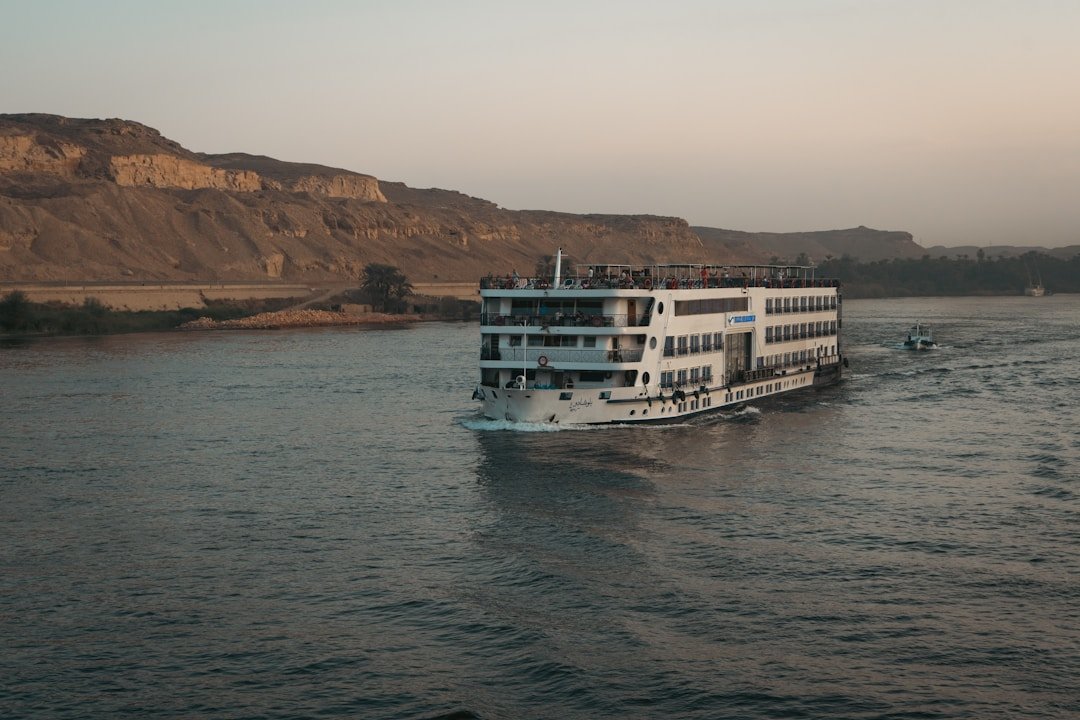
Nile Cruises
Connect Luxor and Aswan with a journey along the river that shaped Egyptian life.
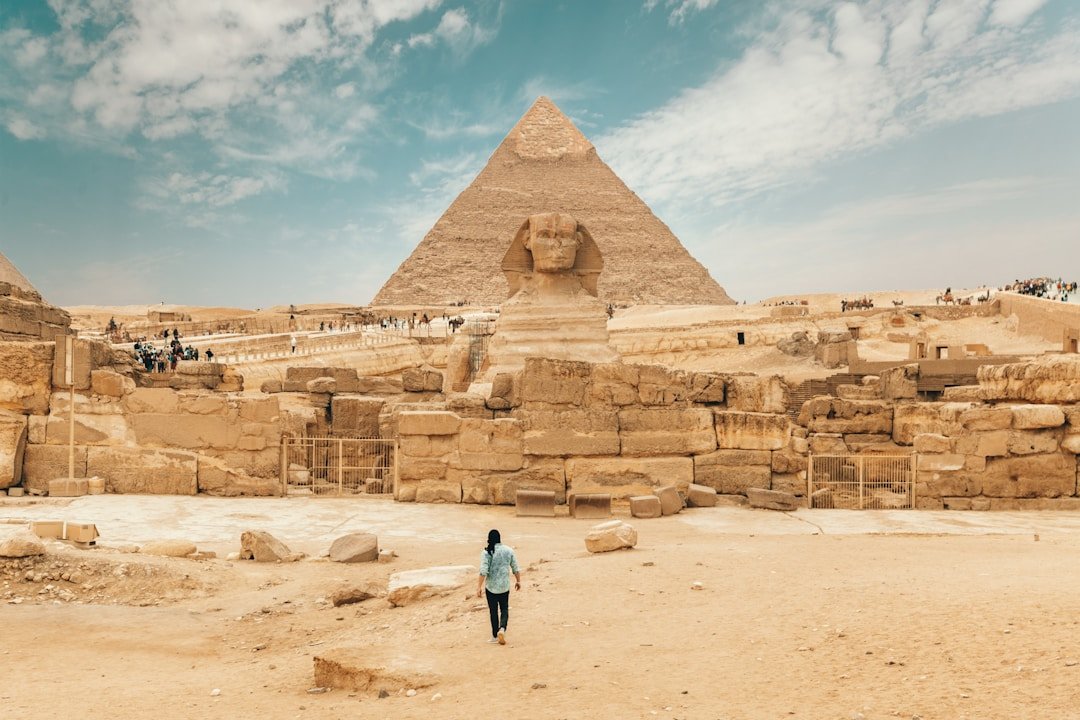
Egypt Tours
Plan guided visits to iconic monuments, historic cities and archaeological sites.
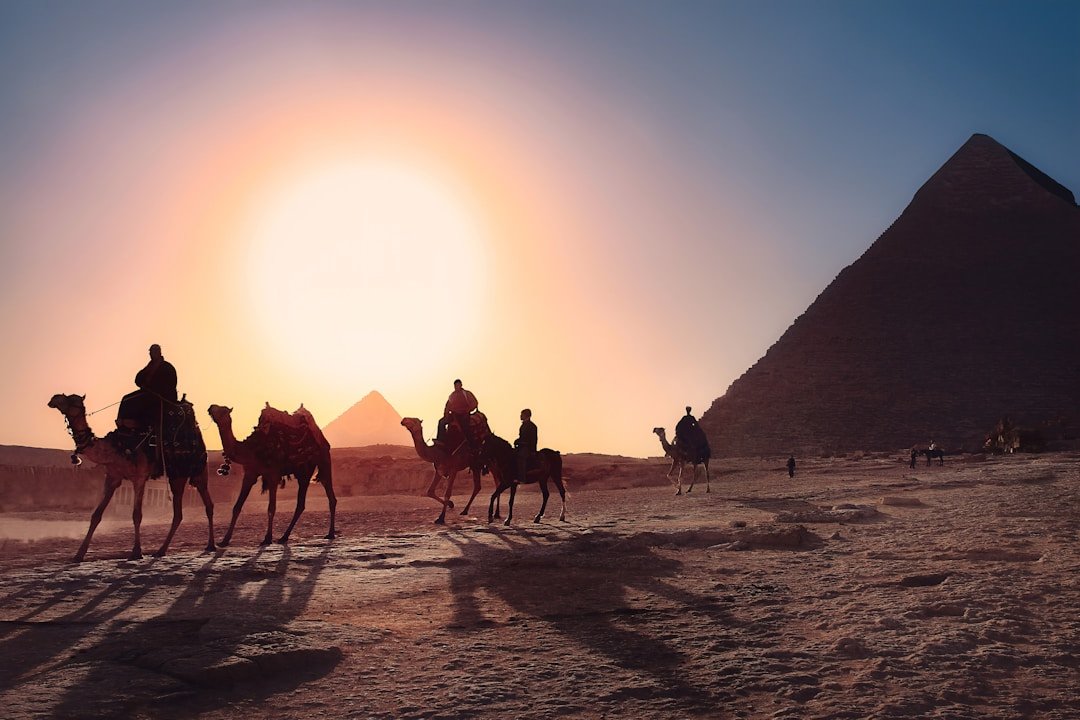
Private Egypt Tours
Enjoy a flexible itinerary shaped around your interests, pace and plans.
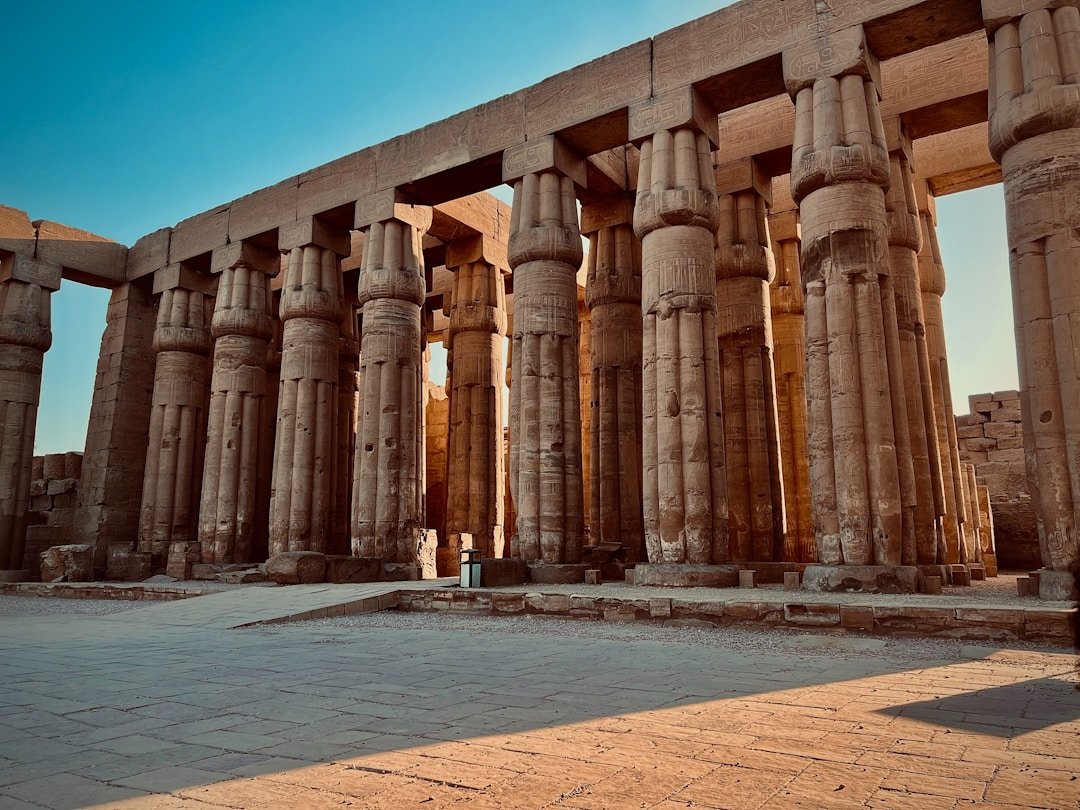
Luxor Tours
Explore temples, tombs and archaeological landscapes with a planned route.

Egypt Travel Experiences
Add memorable local activities and cultural experiences beyond major monuments.
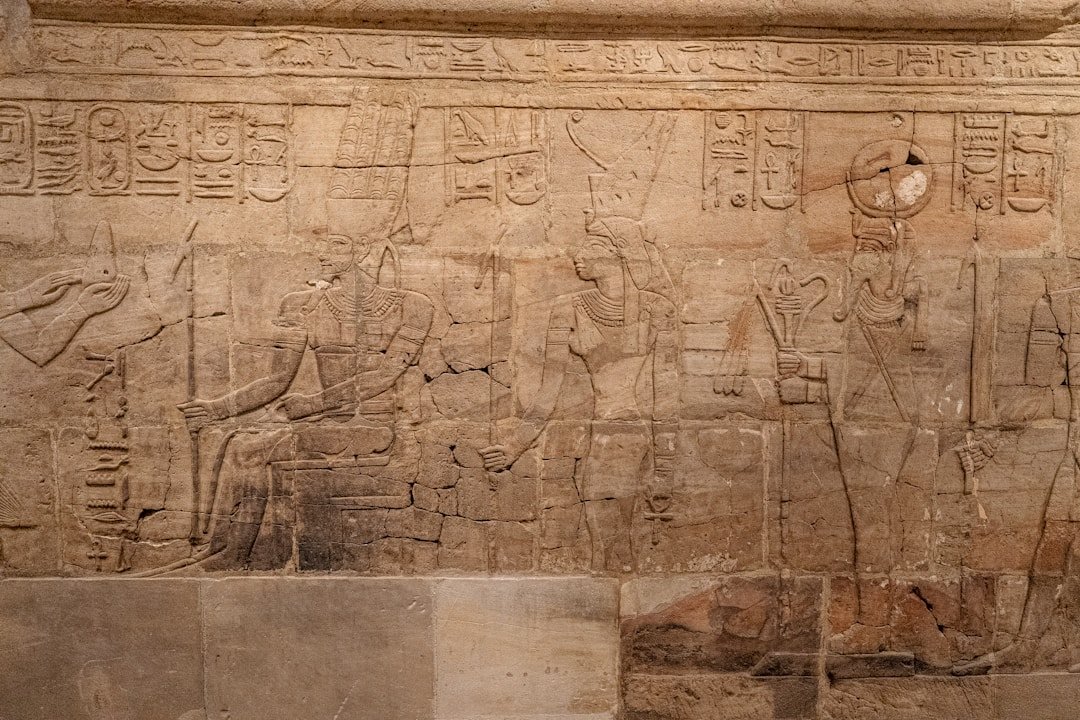
Local Egypt Guides
Understand the stories behind reliefs and monuments with help from a local guide.
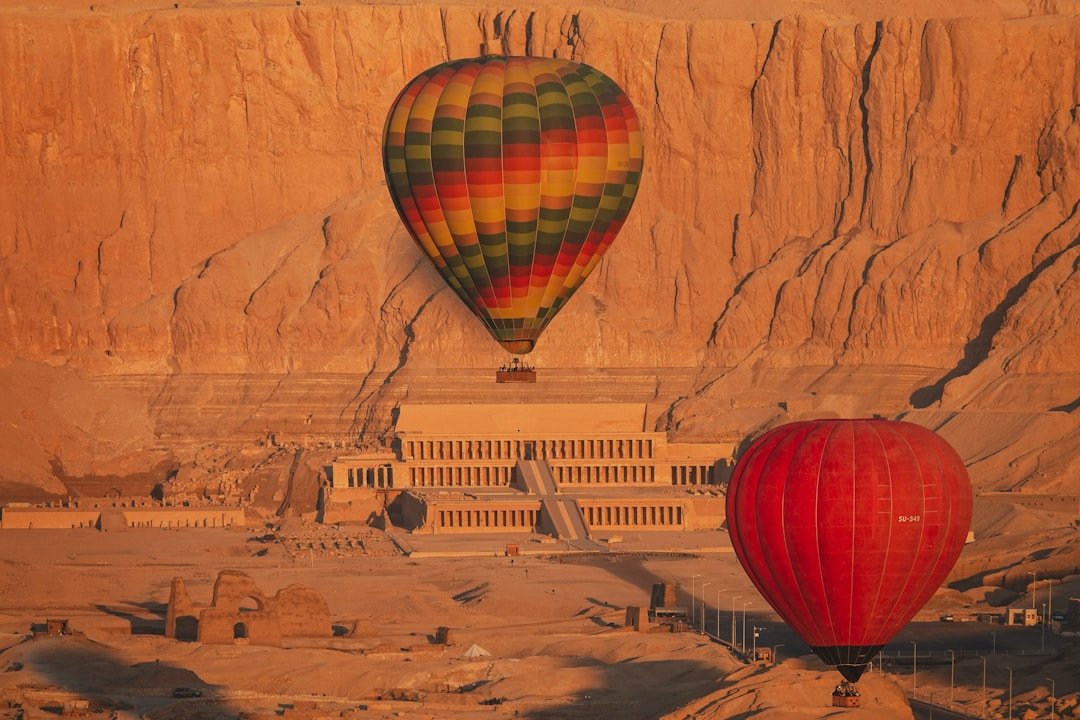
Hot Air Balloon Luxor
See Luxor’s ancient landscape from above on a sunrise balloon flight.

Villas & Apartments in Luxor
Choose a private apartment or villa for a relaxed stay and extra space.
Frequently Asked Questions
Which goddess was worshipped at Dendera?
Hathor was the principal deity, associated with music, joy, beauty, motherhood, the sky and the afterlife.
When was Dendera Temple built?
The surviving main temple was built largely during the Ptolemaic period, with construction and decoration continuing under Roman rulers. The site had older religious associations.
Where is the original Dendera Zodiac?
The original circular zodiac relief is held by the Louvre in Paris. A replica can be seen at Dendera in the chapel associated with it.
How far is Dendera from Luxor?
Dendera is approximately 60 kilometres north of Luxor by road, near Qena. Travel time depends on traffic and transport.
How long should I spend at Dendera Temple?
Allow about 1.5 to 2 hours for the main temple, and longer if selected roof areas, crypts or other buildings are open.
Can visitors go onto the roof or into the crypts?
Selected roof areas and some crypts have been opened to visitors, but access can vary. Confirm availability through official visitor information before your trip.